Lincoln Microgrid Adds 3-MW Zinc Battery From Eos
The 30-Second Skim7 points
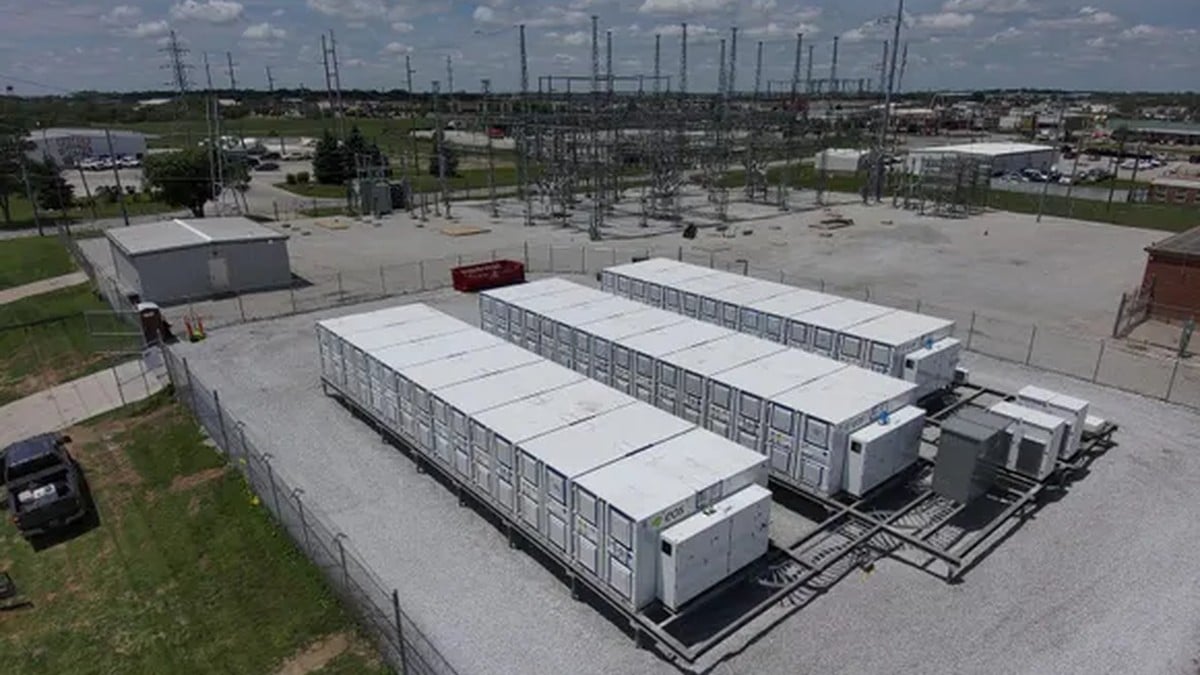
- What happenedLincoln Electric System is installing a 3-MW/12-MWh zinc-based battery from Eos Energy Enterprises in its 30-MW downtown Lincoln microgrid — the utility's first grid-scale storage project, now in final commissioning for commercial operations in the coming weeks.
- Key facts & numbersLincoln Electric System is adding a 3-MW/12-MWh zinc battery to its 30-MW downtown Lincoln microgrid, boosting capacity by about 10% — the utility's first grid-scale storage project, now in final commissioning for commercial operations in the coming weeks. Eos Energy Enterprises won the contract through a late-2021 RFP, securing what was then its largest battery under contract; the Pittsburgh-based company has since expanded to gigawatt-scale deals including a 36-MW/216-MWh Springfield, Missouri project and Frontier Power's 100-MW/400-MWh Redbird project in ERCOT. The zinc battery was selected for lowest per-unit cost over the contract span and a non-flammable chemistry — a key advantage for the dense urban substation location backing up the state Capitol complex, a federal building, city offices, and two public safety facilities.
- What happens nextBuried in the story: LES doesn't actually need storage — the 3-MW zinc battery is a learning exercise at a nonprofit utility that just wants to get 'comfortable' with the tech.
- Lincoln Electric System is adding a 3-MW/12-MWh zinc battery to its 30-MW downtown Lincoln microgrid, boosting capacity by about 10% — the utility's first grid-scale storage project, now in final commissioning for commercial operations in the coming weeks.
- Eos Energy Enterprises won the contract through a late-2021 RFP, securing what was then its largest battery under contract; the Pittsburgh-based company has since expanded to gigawatt-scale deals including a 36-MW/216-MWh Springfield, Missouri project and Frontier Power's 100-MW/400-MWh Redbird project in ERCOT.
- The zinc battery was selected for lowest per-unit cost over the contract span and a non-flammable chemistry — a key advantage for the dense urban substation location backing up the state Capitol complex, a federal building, city offices, and two public safety facilities.
- The Lincoln microgrid already runs on a dual-fuel combustion turbine (mainly natural gas), 300 kW of customer-owned solar, and 500 kW of customer-owned thermal energy storage; the downtown facility came online in 2020, where LES saw a 'marriage' for storage.
Why It Matters
For publicly owned LES, with no pressing resource needs, the 3-MW zinc battery is a deliberate technology pilot — Director Scott Benson said the project will get the utility 'comfortable' with storage. The non-flammable chemistry, chosen explicitly for dense urban placement near the state Capitol, illustrates why non-lithium storage is gaining traction at utilities serving critical infrastructure.
Background & Timeline
- ContextA municipal utility's first grid-scale storage project defaulting to zinc rather than the dominant lithium chemistry suggests alternative-chemistry procurement is no longer confined to demonstration sites.
Sources Cited
Related Coverage
Ask SkimNews
The day’s news in one short email, every morning.
Free. One email a day. Unsubscribe in one click.