Marathons unprepared for climate change due to data gaps
The 30-Second Skim
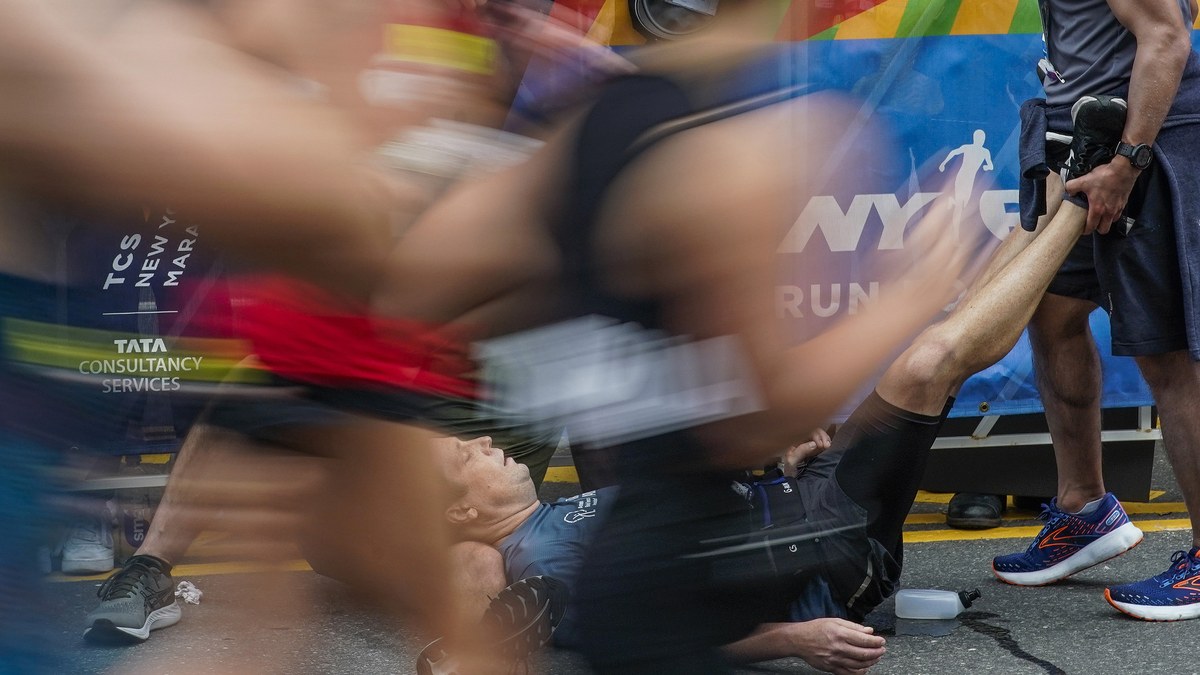
- What happened: A physician who treated heat stroke at the 2022 NYC Marathon warns that rising global temperatures demand better data-driven preparedness for endurance events, as current medical response systems are dangerously under-resourced.
- Key facts & numbers: Vibhu Krishna treated a runner with a 107-degree temperature at the 2022 NYC Marathon and witnessed mistriage due to overwhelmed medical resources NYC Marathon medical tent lacked sufficient cooling supplies and monitoring equipment during the record-hot race, forcing staff to ration care Los Angeles Marathon allowed runners to collect finisher medals at mile 18 due to heat risk, with 652 illness or injury incidents reported
- What happens next: Other outlets highlight climate risk to athletes, but miss the core issue: we’re not lacking solutions—we’re failing to share the data that could save lives.
- Vibhu Krishna treated a runner with a 107-degree temperature at the 2022 NYC Marathon and witnessed mistriage due to overwhelmed medical resources
- NYC Marathon medical tent lacked sufficient cooling supplies and monitoring equipment during the record-hot race, forcing staff to ration care
- Los Angeles Marathon allowed runners to collect finisher medals at mile 18 due to heat risk, with 652 illness or injury incidents reported
- World Marathon Majors, including the NYC Marathon, collectively drew over 300,000 runners last year but do not standardize or share medical incident data
Why It Matters
Without standardized medical data sharing, race organizers cannot predict resource needs despite rising heat risks. The 652 incidents at the LA Marathon and near-fatal case in NYC show that current goodwill-based responses fail under strain—putting tens of thousands of participants at preventable risk each year.
Sources Cited
Related Coverage
Ask SkimNews