Mercedes-AMG GT SUV: 1,153 hp, 710 kW Charging
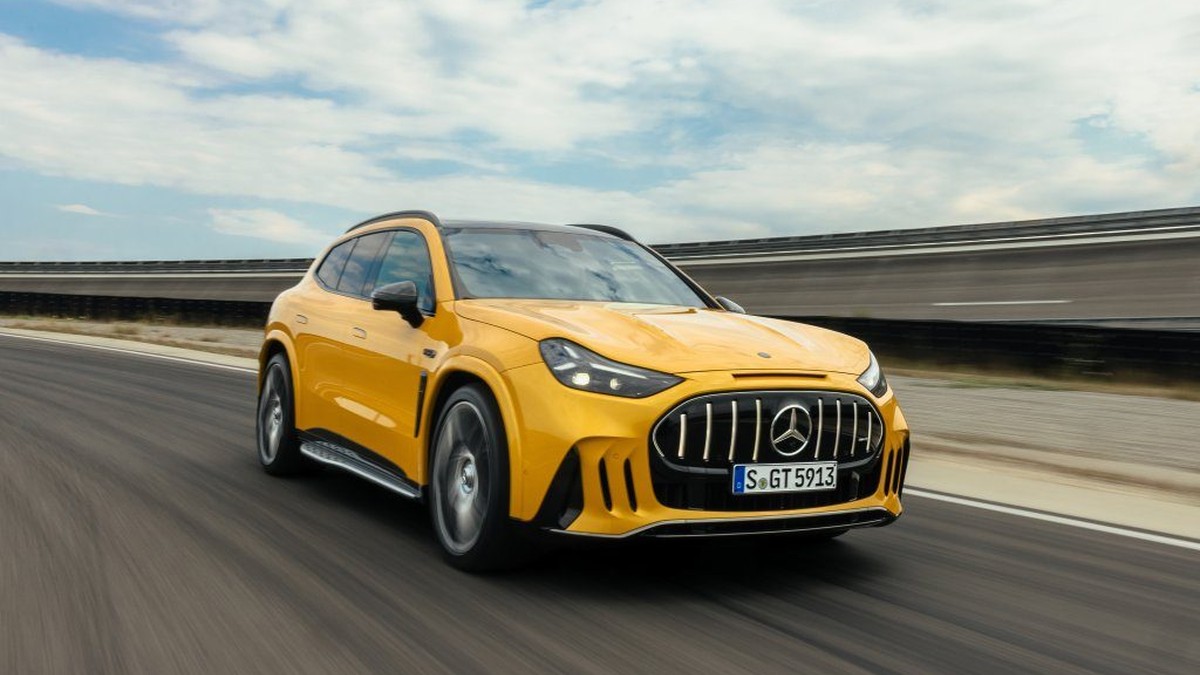
The 30-Second Skim7 points
- What happenedMercedes-AMG unveiled its first in-house electric SUV, the GT, offering up to 1,153 hp and a peak 710 kW DC charging rate that out-specs the Porsche Cayenne Electric on paper but is unlikely to be fully used on today's US public chargers.
- Key facts & numbersMercedes-AMG debuted the GT SUV as the first full-size electric SUV built entirely in-house by AMG, with three US trims peaking at 1,153 hp (GT 63), 805 hp (GT 55), and 536 hp (GT 53) from axial-flux motors. The GT 63 and GT 55 carry a 128 kWh usable 800-volt pack rated for up to 710 kW DC fast charging, allowing a claimed 10–80% charge in 12 minutes and up to 454 km of WLTP range added in 10 minutes. The GT 63 SUV hits 0–60 mph in an estimated 2.4 seconds with rollout, the only figures Mercedes still calls estimates, while continuous output is 711 hp on GT 63/55 and 362 hp on the GT 53.
- What happens nextThe 710 kW headline number is real on paper and meaningless at every existing US charger — you're funding a spec you'll use in 2028.
- Mercedes-AMG debuted the GT SUV as the first full-size electric SUV built entirely in-house by AMG, with three US trims peaking at 1,153 hp (GT 63), 805 hp (GT 55), and 536 hp (GT 53) from axial-flux motors.
- The GT 63 and GT 55 carry a 128 kWh usable 800-volt pack rated for up to 710 kW DC fast charging, allowing a claimed 10–80% charge in 12 minutes and up to 454 km of WLTP range added in 10 minutes.
- The GT 63 SUV hits 0–60 mph in an estimated 2.4 seconds with rollout, the only figures Mercedes still calls estimates, while continuous output is 711 hp on GT 63/55 and 362 hp on the GT 53.
- On paper, the top-spec GT SUV beats the Porsche Cayenne Turbo Electric with a larger battery and 310 kW of extra peak charging headroom, and the two ties the 0–60 sprint at 2.4 seconds.
Why It Matters
AMG's first self-developed EV puts Mercedes ahead of Porsche on the two specs that actually shape daily EV ownership — usable pack size and peak charging rate — but with no US infrastructure to deliver those 710 kW speeds today, early buyers are essentially paying for future capability that the existing public-charging network can't yet exercise.
Sources Cited
Related Coverage
Ask SkimNews