Michigan Secures $51M for Statewide EV Charging
The 30-Second Skim7 points
- What happenedMichigan secured full NEVI certification, unlocking $51 million of federal funds to expand EV fast‑charging beyond highway corridors, address statewide gaps, reliability, and fleet needs, coordinating with governments, tribal nations, utilities, and private firms to align sites with development and tourism.
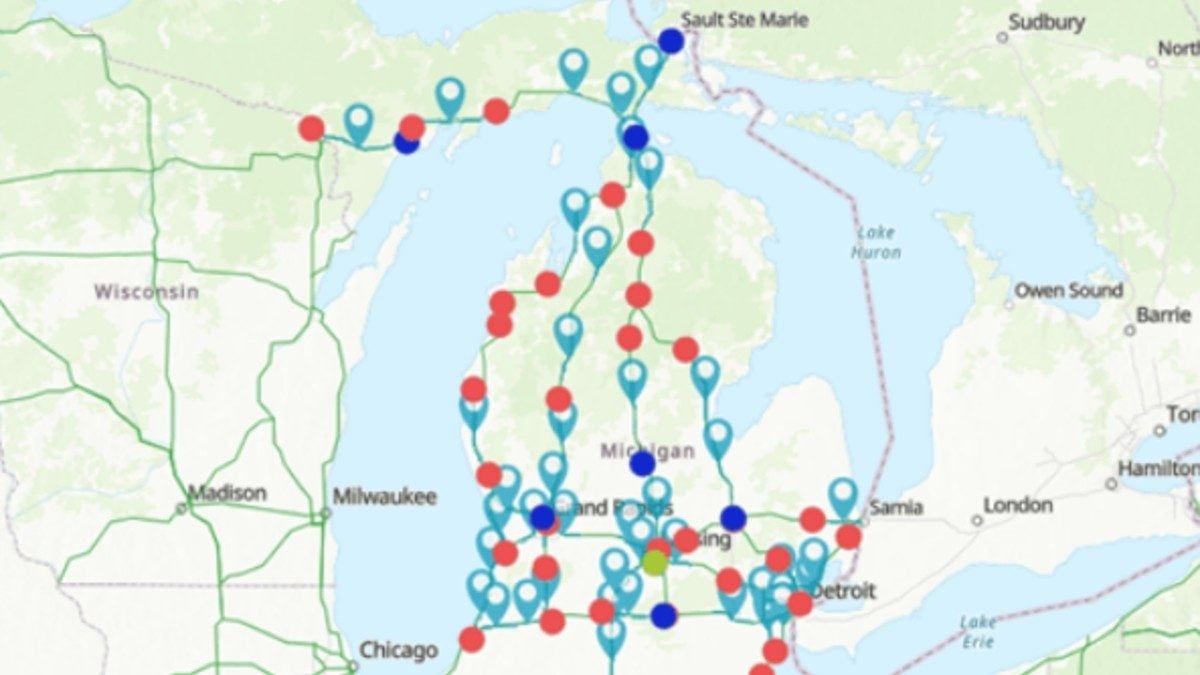
- Key facts & numbersMichigan Department of Transportation announced that the Federal Highway Administration approved Michigan’s fiscal year 2026 EV Infrastructure Deployment Plan and that the state earned “fully built out” certification under the NEVI program. Michigan now meets the federal requirement to install fast chargers along designated highway corridors, unlocking the remaining $51 million of its $106 million NEVI allocation. Michigan will use the $51 million to fund a broader round targeting geographic gaps, charger reliability, user experience, medium‑duty vehicles and fleets, and long‑term statewide charging priorities.
- What happens nextMichigan’s $51M boost isn’t just highway chargers – it’s a push into towns, fleets, tourism spots, and even tribal lands, widening the EV net.
- Michigan Department of Transportation announced that the Federal Highway Administration approved Michigan’s fiscal year 2026 EV Infrastructure Deployment Plan and that the state earned “fully built out” certification under the NEVI program.
- Michigan now meets the federal requirement to install fast chargers along designated highway corridors, unlocking the remaining $51 million of its $106 million NEVI allocation.
- Michigan will use the $51 million to fund a broader round targeting geographic gaps, charger reliability, user experience, medium‑duty vehicles and fleets, and long‑term statewide charging priorities.
- Michigan aims to align new charging sites with economic development, tourism, and long‑term grid planning while coordinating with local governments, tribal nations, utilities and private companies.
Why It Matters
The $51 million infusion expands EV fast‑charging beyond highway corridors, targeting underserved communities and medium‑duty fleets, while linking stations to economic development, tourism and grid planning. Statewide drivers, local economies and fleet operators gain broader, more reliable charging access, reducing range anxiety and supporting clean‑energy goals.
Sources Cited
Related Coverage
Ask SkimNews