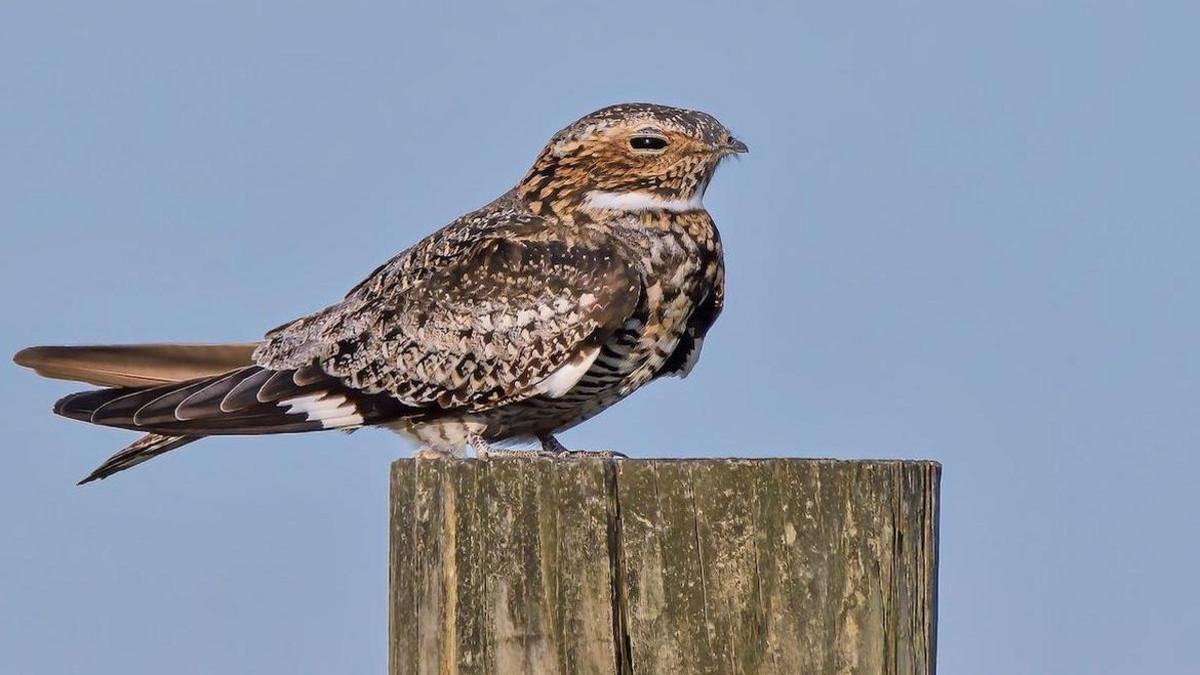
Nightjars Hit Record 109 Territories in Hampshire Heaths
The 30-Second Skim7 points
- What happenedAn ecological survey in the South Downs National Park recorded 109 nightjar territories across east Hampshire's lowland heaths — the highest ever — with 78 individual birds spotted last year in what conservationists call a doubling of numbers over five years.
- Key facts & numbersSouth Downs National Park recorded 109 nightjar territories in east Hampshire's lowland heaths — including Woolmer Forest and commons at Shortheath, Bramshott, Ludshott, Broxhead and Kingsley — the highest count on record Nightjar numbers in the South Downs are thought to have doubled in the past five years, with 78 birds logged in last year's ecological survey Nightjars are amber-listed as a species of conservation concern, having declined 51% between 1972 and 1992 following loss of woodland and heathland to agriculture and development
- What happens nextThe goatsucker myth is wild, but the real kicker is buried mid-article: these heaths are rarer than rainforest now. A comeback built on 1% of land.
- South Downs National Park recorded 109 nightjar territories in east Hampshire's lowland heaths — including Woolmer Forest and commons at Shortheath, Bramshott, Ludshott, Broxhead and Kingsley — the highest count on record
- Nightjar numbers in the South Downs are thought to have doubled in the past five years, with 78 birds logged in last year's ecological survey
- Nightjars are amber-listed as a species of conservation concern, having declined 51% between 1972 and 1992 following loss of woodland and heathland to agriculture and development
- The SDNPA credits the rebound to lowland heath protection and engagement rangers who educate visitors on keeping dogs on leads, picking up waste, and staying on paths to avoid disturbing ground-nesting sites
Why It Matters
For an amber-listed species that lost more than half its population between 1972 and 1992, a doubling over five years and a record 109 territories suggest that targeted heathland restoration is paying off — but with lowland heaths reduced to just 1% of the national park, the recovery remains fragile and contingent on continued habitat protection and visitor management.
Sources Cited
- BBC Environment'Goatsucker' bird makes 'remarkable comeback'
Related Coverage
Ask SkimNews
The day’s news in one short email, every morning.
Free. One email a day. Unsubscribe in one click.