Norway orders 20 Candela P-12 electric hydrofoil ferries
The 30-Second Skim7 points
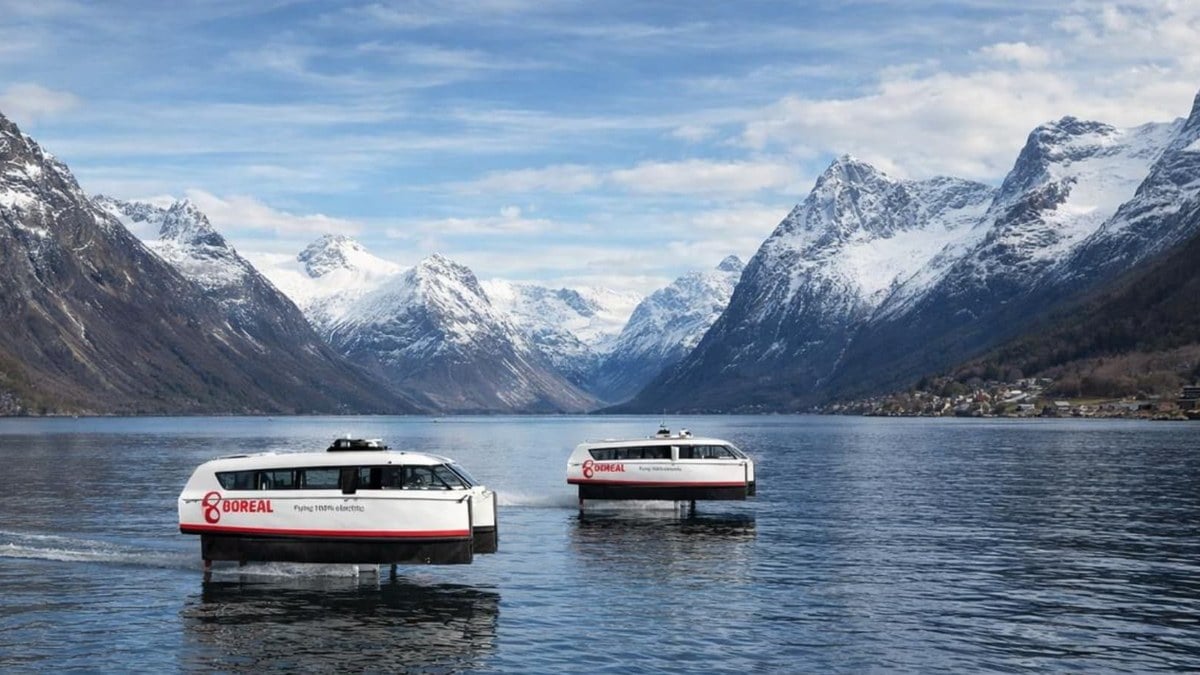
- What happenedNorway's Boreal AS has placed what the source calls the largest deployment to date of Candela's P-12 electric hydrofoil ferries, ordering 20 vessels to replace diesel-powered high-speed routes along its coast.
- Key facts & numbersBoreal AS ordered 20 Candela P-12 electric hydrofoil ferries — described as the largest deployment of its kind to date — to operate along Norway's coastline and fjords Candela's P-12 uses computer-controlled carbon fiber hydrofoils that lift the hull above the water at speeds above 18 knots, cutting energy consumption by roughly 80% versus traditional vessels of similar size The P-12 cruises at around 25 knots (46 km/h) carrying up to 25 passengers, with a range of roughly 40 nautical miles (74 km), putting it in direct competition with the diesel 'hurtigbåtar' that currently link Norway's coastal communities
- What happens nextThe 80% energy cut gets the headlines — but the 1-hour recharge from a car-sized DC plug is what actually cracks remote Norwegian fjords.
- Boreal AS ordered 20 Candela P-12 electric hydrofoil ferries — described as the largest deployment of its kind to date — to operate along Norway's coastline and fjords
- Candela's P-12 uses computer-controlled carbon fiber hydrofoils that lift the hull above the water at speeds above 18 knots, cutting energy consumption by roughly 80% versus traditional vessels of similar size
- The P-12 cruises at around 25 knots (46 km/h) carrying up to 25 passengers, with a range of roughly 40 nautical miles (74 km), putting it in direct competition with the diesel 'hurtigbåtar' that currently link Norway's coastal communities
- Standard DC fast chargers — not megawatt-scale infrastructure — can recharge the P-12 in about an hour, bypassing the grid-upgrade bottleneck that has kept high-speed passenger ferries diesel-powered in remote areas
Why It Matters
Boreal's 20-vessel order is the largest single deployment of Candela P-12 ferries to date, moving the technology from pilot programs to fleet-scale adoption. The standard-charger compatibility directly solves Norway's remote-coast grid bottleneck, and the 2027-2030 rollout gives maritime electrification a concrete fleet-replacement timeline.
Sources Cited
Related Coverage
Ask SkimNews
The day’s news in one short email, every morning.
Free. One email a day. Unsubscribe in one click.