Numbat Bounces Back as Australia Faces Extinction Crisis
The 30-Second Skim7 points
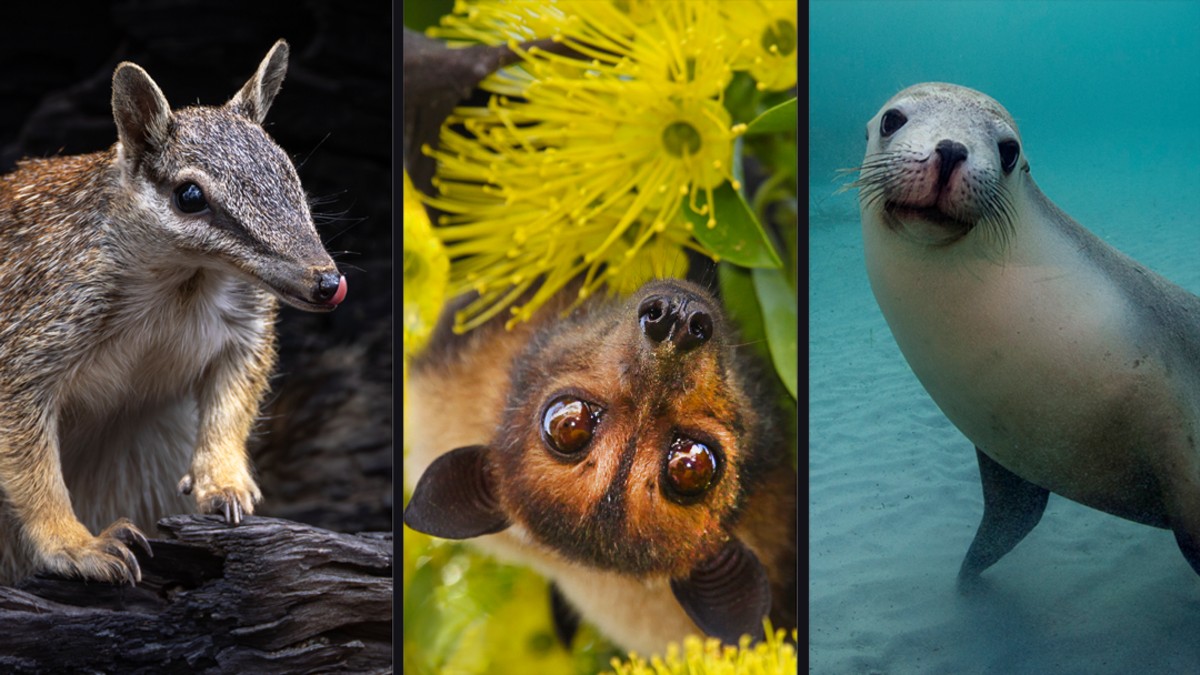
- What happenedThe numbat has been removed from the international red list of threatened species after decades of conservation work at Western Australia's Dryandra Woodland, offering a rare bright spot in a country that researchers say is the world's extinction capital.
- Key facts & numbersNumbats were removed from the international red list of threatened species this month after recovery efforts at Dryandra Woodland, where the population had fallen to fewer than 50 in the 1980s when researcher Dr Tony Friend arrived Australia loses roughly four species every decade and leads the world in mammal extinctions, with researchers confident at least 100 species have been lost despite the government's official extinctions list sitting at 67 The 2019-20 Black Summer bushfires killed an estimated three billion animals, compounding pressures from feral cats, foxes, cane toads, chlamydia (devastating koalas), chytrid fungus (causing seven frog extinctions) and extreme heat killing flying foxes in their thousands
- What happens nextBuried irony: the country with the most unique wildlife on Earth is also the extinction capital, and even the longest-serving environment minister cops to dropping the ball.
- Numbats were removed from the international red list of threatened species this month after recovery efforts at Dryandra Woodland, where the population had fallen to fewer than 50 in the 1980s when researcher Dr Tony Friend arrived
- Australia loses roughly four species every decade and leads the world in mammal extinctions, with researchers confident at least 100 species have been lost despite the government's official extinctions list sitting at 67
- The 2019-20 Black Summer bushfires killed an estimated three billion animals, compounding pressures from feral cats, foxes, cane toads, chlamydia (devastating koalas), chytrid fungus (causing seven frog extinctions) and extreme heat killing flying foxes in their thousands
- Labor, in office since 2022 on a promise of no new extinctions, passed revamped environment laws last year called the most significant reform in a generation, but the National Environmental Standards and a federal watchdog to enforce them are still being developed
Why It Matters
Australia's extinction rate of roughly four species per decade is stable, but the number of threatened species is climbing and the deterioration of many is gathering speed. With 80% of species found nowhere else, the country's failure to halt losses costs the world irreplaceable biodiversity that underpins its economy, scientific potential, and First Nations culture.
Sources Cited
Related Coverage
Ask SkimNews