Panasonic unveils propane Aqua‑G EVO heat pump
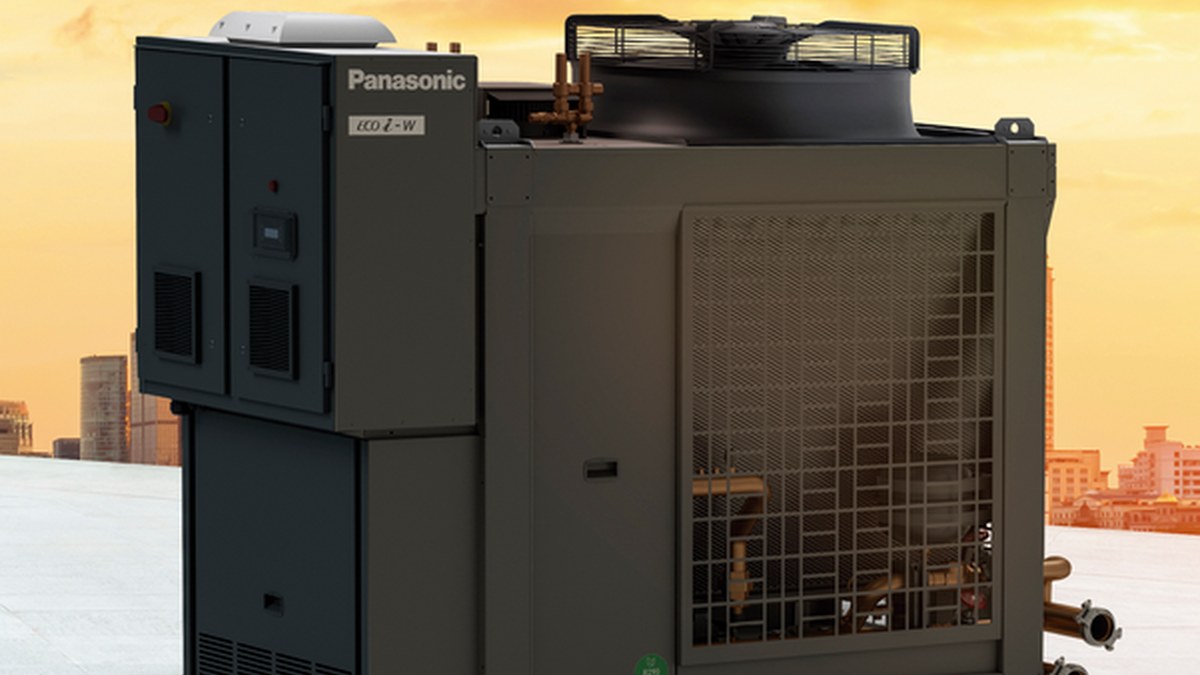
The 30-Second Skim
- What happened: Panasonic has introduced the Aqua‑G EVO propane heat‑pump series, a low‑GWP boiler replacement designed for commercial, light‑industrial and multi‑residential buildings, promising efficiency even in sub‑zero conditions and can be cascaded up to eight units for up to 880 kW total capacity.
- Key facts & numbers: Panasonic announced the Aqua‑G EVO series, expanding its ECOi‑W heat‑pump line as a boiler‑replacement solution for commercial, light‑industrial and multi‑residential buildings. Aqua‑G EVO uses an inverter‑driven compressor and pump with advanced refrigerant circuits and defrost management to deliver precise temperature control, high seasonal efficiency and reliable heating in harsh winter conditions. propane (R290) serves as the natural refrigerant, offering an ultra‑low GWP of 0.02 and meeting Europe’s tightening F‑Gas regulations.
- What happens next: Panasonic’s propane heat pump isn’t just a ‘green’ label – it’s a low‑GWP boiler swap that works in cold temps, a detail press releases skip.
- Panasonic announced the Aqua‑G EVO series, expanding its ECOi‑W heat‑pump line as a boiler‑replacement solution for commercial, light‑industrial and multi‑residential buildings.
- Aqua‑G EVO uses an inverter‑driven compressor and pump with advanced refrigerant circuits and defrost management to deliver precise temperature control, high seasonal efficiency and reliable heating in harsh winter conditions.
- propane (R290) serves as the natural refrigerant, offering an ultra‑low GWP of 0.02 and meeting Europe’s tightening F‑Gas regulations.
- Aqua‑G EVO maintains roughly 85 % of its capacity at –10 °C outdoor, can deliver 55 °C water at –18 °C ambient, and up to 75 °C domestic hot water at –2 °C ambient.
Why It Matters
The Aqua‑G EVO gives commercial and multi‑residential owners for building managers a propane‑driven, ultra‑low‑GWP heat‑pump that can replace gas boilers, helping them meet Europe’s tightening F‑Gas regulations and corporate sustainability targets while cutting reliance on fossil‑fuel heating and potentially lowering operating costs.
Sources Cited
Related Coverage
Ask SkimNews