Renewables Hit 30% of US Electricity in 2026
The 30-Second Skim
- What happened: Renewables generated 30% of US electricity during the first third of 2026 — a 10% year-over-year jump — with utility-scale solar surpassing wind in installed capacity for the first time and EIA projecting renewables to overtake natural gas in total capacity by spring 2027.
- Key facts & numbers: Renewables generated 30.0% of US electricity during the first third of 2026, up 2.2 percentage points year-over-year, according to EIA data reviewed by the SUN DAY Campaign. Utility-scale solar led growth at +21.3% year-over-year in the first four months of 2026, followed by hydropower (+15.7%), small-scale solar (+11.9%), and wind (+3.4%), while coal output fell 11.6% and natural gas grew 2.8%. Utility-scale solar surpassed wind in installed capacity for the first time in April 2026, reaching 160,208.1 MW versus wind's 160,100.6 MW.
- What happens next: Solar just passed wind capacity for the first time; EIA says renewables will top natural gas by spring 2027. Trump's renewable war: not going well.
- Renewables generated 30.0% of US electricity during the first third of 2026, up 2.2 percentage points year-over-year, according to EIA data reviewed by the SUN DAY Campaign.
- Utility-scale solar led growth at +21.3% year-over-year in the first four months of 2026, followed by hydropower (+15.7%), small-scale solar (+11.9%), and wind (+3.4%), while coal output fell 11.6% and natural gas grew 2.8%.
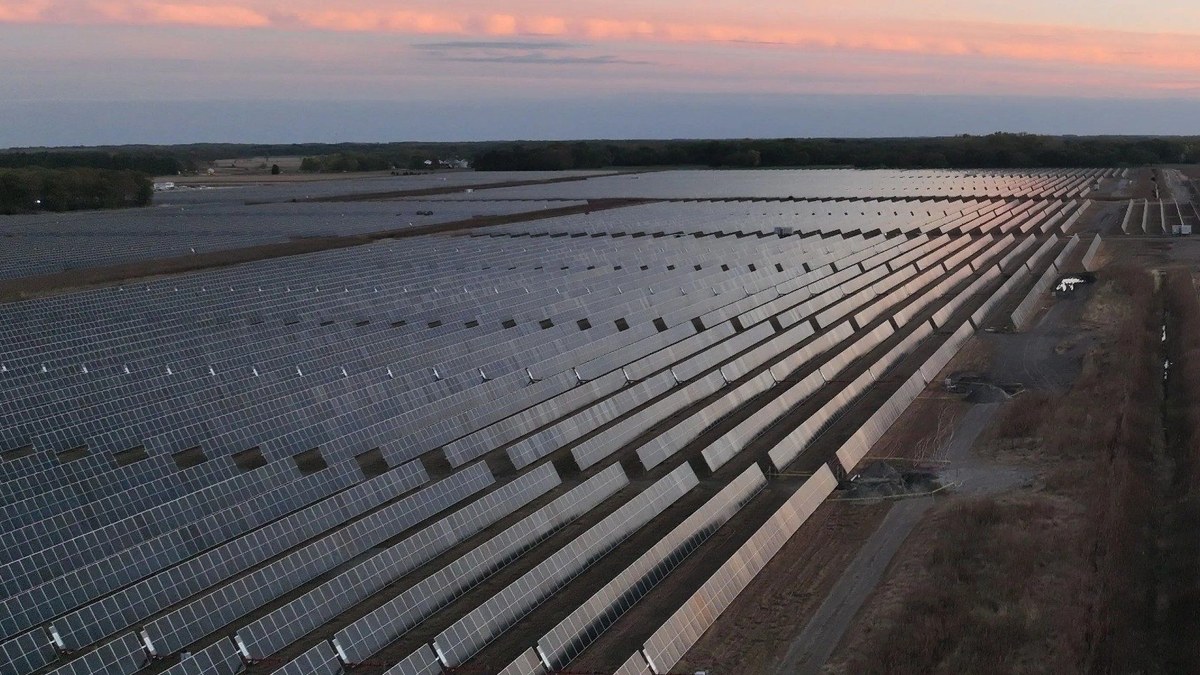
- Utility-scale solar surpassed wind in installed capacity for the first time in April 2026, reaching 160,208.1 MW versus wind's 160,100.6 MW.
- Battery storage capacity surged 58.1% (+17,703.5 MW) over the past year, and EIA projects it will grow another 47% by May 2027.
Why It Matters
EIA's own projections show renewables overtaking natural gas in total installed US generating capacity by May 2027 if small-scale solar continues its recent ~6,000 MW annual additions — a milestone that would mark the first time since the shale-gas era that a non-fossil source leads US power capacity.
Sources Cited
Related Coverage
Ask SkimNews