NY, NJ, MA Accelerate Renewables as Fossil Prices Surge
The 30-Second Skim
- What happened: Rising fossil fuel costs are spurring state-level renewable and storage initiatives, with New York, New Jersey and Massachusetts rolling out incentives, floating solar projects, and ambitious clean‑energy targets to buffer consumers from price spikes.
- Key facts & numbers: Fossil fuel prices in the US are rising due to global commodity swings, while renewable energy and storage now dominate new utility‑scale generation capacity. FranklinWH Energy Storage offers New York homeowners a home battery system that can qualify for roughly $3,000 in incentives and save about $200 per year through participation in utility demand‑response programs. New Jersey Board of Public Utilities approved a 10‑MW floating solar array at the Wanaque Reservoir and two additional floating solar projects totaling 14.1 MW, as part of a broader incentive package that also includes three storage projects projected to generate $169 million in lifetime savings.
- What happens next: Big wind farms dominate headlines, but New Jersey’s floating‑solar boom and NY’s battery incentives are the real bill‑cutters.
- Fossil fuel prices in the US are rising due to global commodity swings, while renewable energy and storage now dominate new utility‑scale generation capacity.
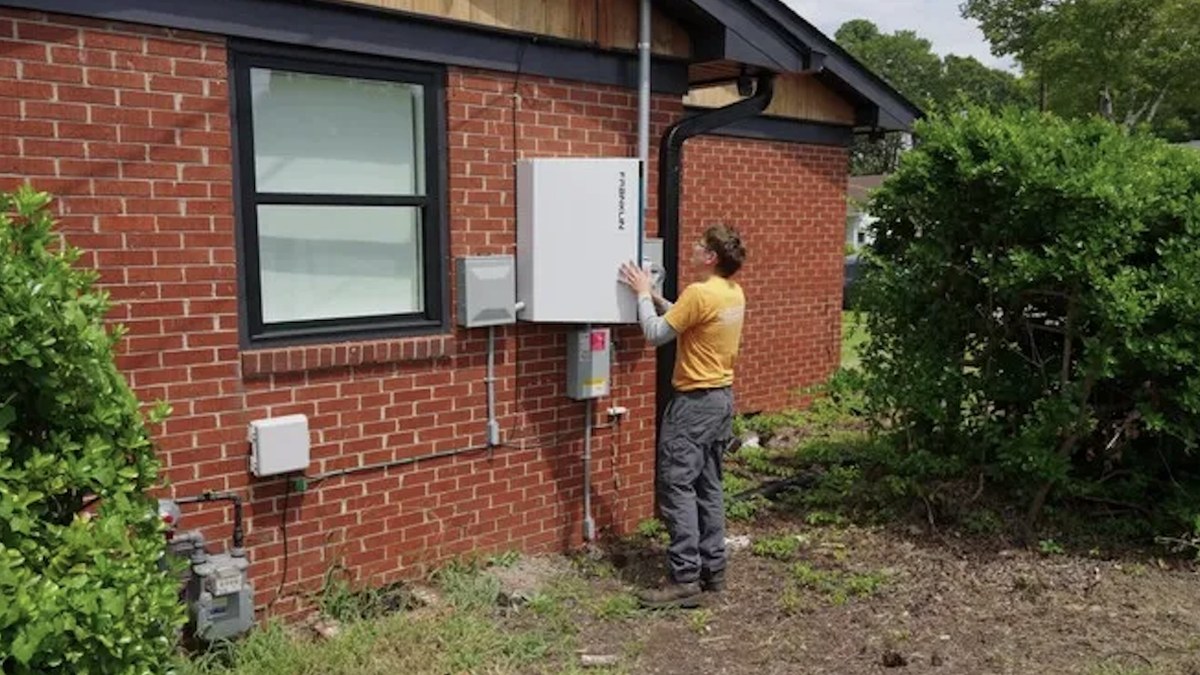
- FranklinWH Energy Storage offers New York homeowners a home battery system that can qualify for roughly $3,000 in incentives and save about $200 per year through participation in utility demand‑response programs.
- New Jersey Board of Public Utilities approved a 10‑MW floating solar array at the Wanaque Reservoir and two additional floating solar projects totaling 14.1 MW, as part of a broader incentive package that also includes three storage projects projected to generate $169 million in lifetime savings.
- Massachusetts Governor Maura Healey signed Executive Order 654, setting a goal of 10 GW of new supply‑ and demand‑side capacity and 5 GW of storage by 2035, with 4 GW of in‑state solar and 3.5 GW of demand‑reduction measures.
Why It Matters
Homeowners and ratepayers gain direct savings from battery incentives, demand‑response payments, and community solar credits, while utilities avoid costly peaker plants and benefit from virtual power plants; states capture billions in long‑term cost reductions as fossil‑fuel price volatility persists and reduce reliance on imported fuels.
Sources Cited
- CleanTechnica — As Fossil Fuel Costs Rise, Renewable Energy & Storage Shine
Related Coverage
Ask SkimNews