Scientists Race to Sustain Maui Fire Health Study
The 30-Second Skim
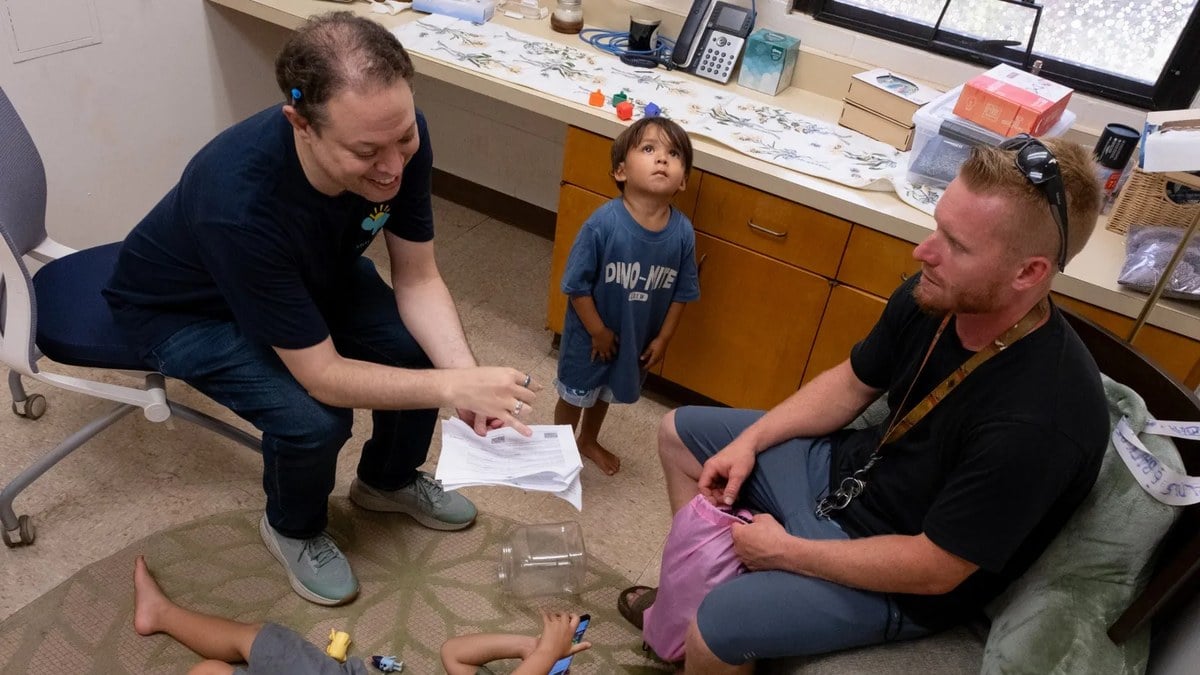
- What happened: In November 2026, researchers Alika Maunakea and Ruben Juarez conducted health assessments for Maui wildfire survivors amid fears their project may end due to lost state funding and unanswered federal grants. The Maui Wildfire Exposure Study (MauiWES) has provided free health screenings, therapy, and financial aid since 2023.
- Key facts & numbers: The August 8, 2023 Maui wildfires killed at least 102 people, displaced nearly 13,000, and destroyed over 2,200 buildings. Three years later, only 15% of structures have been rebuilt, and the MauiWES study has enrolled 2,500 participants.
- What happens next: The future of MauiWES hinges on pending federal grant decisions, with researchers awaiting responses for months. Without renewed funding, the team may be unable to continue annual health assessments or expand services in 2027.
Why It Matters
The potential collapse of MauiWES underscores systemic gaps in long-term disaster recovery funding, particularly in climate-vulnerable regions. If the model fails, it could deter replication elsewhere, despite its promise as a national blueprint for holistic post-disaster care.
The study’s integration of environmental exposure tracking, mental health support, and cash assistance highlights a shift toward community-centered public health. Its fate may influence federal policy on sustaining research-intervention hybrids in underserved areas facing increasing climate threats.
How Outlets Are Framing It
- Grist / Climate & Equity Lens: Focuses on intergenerational disenfranchisement and climate injustice, linking plantation-era water extraction to modern fire risks and unequal recovery outcomes in Lahaina.
- Inside Climate News / Science & Policy Lens: Emphasizes the study’s methodological innovation and federal funding uncertainty, framing MauiWES as a test case for scalable post-disaster public health infrastructure.
- Local Hawaiian Press / Community Resilience Lens: Highlights cultural continuity and survivor agency, stressing how Native Hawaiian and Filipino-descended families like the Panises navigate trauma amid housing instability and ecological change.
Background & Timeline
- August 8, 2023: Deadliest U.S. wildfire in over a century kills 102 people in Lahaina, destroying more than 2,200 buildings and displacing nearly 13,000 residents.
- 2024–2026: University of Hawaiʻi researchers launch MauiWES, enrolling 2,500 survivors in a longitudinal health study combining medical testing with social support services.
Sources Cited
- Grist — The scientists fighting to help Maui wildfire survivors heal
- Inside Climate News — The Scientists Fighting to Help Wildfire Survivors Heal
Related Coverage
Ask SkimNews