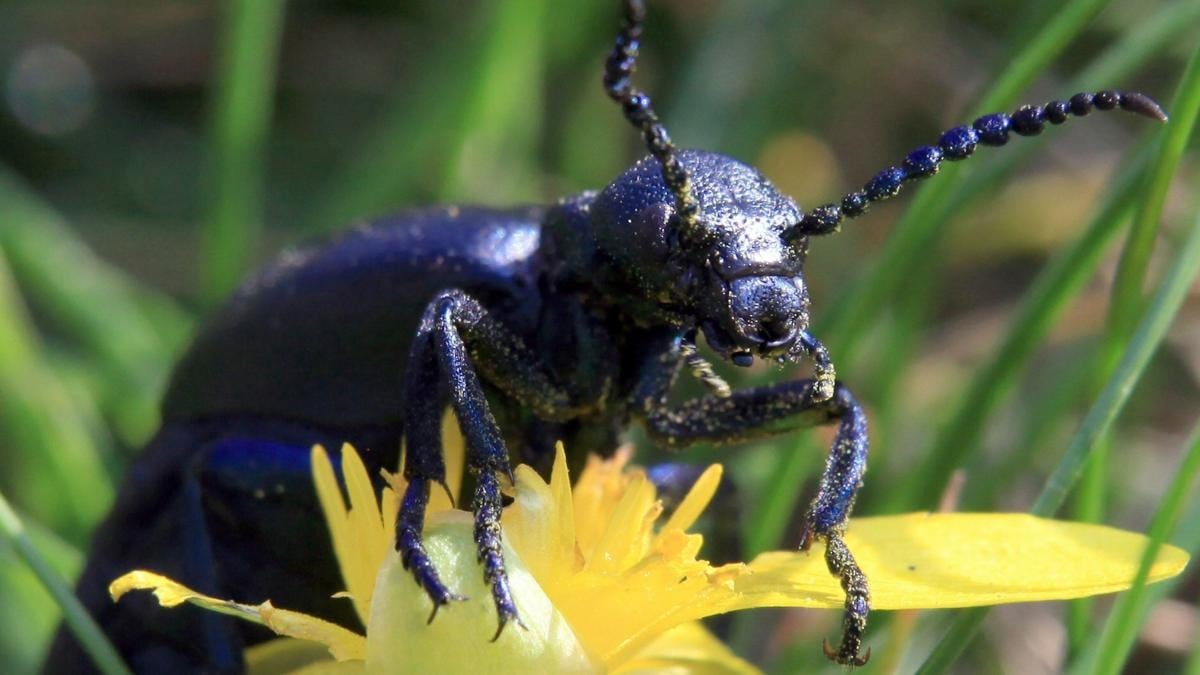
Short-Necked Oil Beetle larvae found after 60 years
The 30-Second Skim7 points
- What happenedConservationists have found young Short-Necked Oil Beetle larvae in Pembrokeshire, offering evidence that the species is breeding in Wales again after 60 years without a reported presence in the country.
- Key facts & numbersNatural Resources Wales said experts found Short-Necked Oil Beetle larvae at Castlemartin Range following three years of searching; the discovery represents the species’ first reported Welsh presence in 60 years and follows two years without a larval sighting. The larvae’s number and distribution supported the finding that surveyors had located hatchlings from a larger, unseen batch of immature beetles, whereas the previous year’s survey found only dead adults. Anne Hobbs of the Bumblebee Conservation Trust called the evidence “very exciting” because it suggested the Short-Necked Oil Beetle was breeding in Wales again.
- What happens nextLarvae—not a lone beetle—point to renewed breeding at Wales’s only site after two blank years, with recovery tied to bees and dense flowers.
- Natural Resources Wales said experts found Short-Necked Oil Beetle larvae at Castlemartin Range following three years of searching; the discovery represents the species’ first reported Welsh presence in 60 years and follows two years without a larval sighting.
- The larvae’s number and distribution supported the finding that surveyors had located hatchlings from a larger, unseen batch of immature beetles, whereas the previous year’s survey found only dead adults.
- Anne Hobbs of the Bumblebee Conservation Trust called the evidence “very exciting” because it suggested the Short-Necked Oil Beetle was breeding in Wales again.
- Short-Necked Oil Beetle depends on solitary bees and a habitat with thick vegetation and dense flowers; its larvae wait among flowers to be carried to bee nests, where they feed on collected pollen.
Why It Matters
For Natural Resources Wales and its volunteers, the larvae provide evidence that the beetle is breeding in Wales again after two years without a sighting. At Wales’s only known site, protecting the dense flowers, shelter and solitary-bee relationships it depends on also supports the other species sharing that habitat.
Sources Cited
Related Coverage
Ask SkimNews
The day’s news in one short email, every morning.
Free. One email a day. Unsubscribe in one click.