Jupiter debuts, feeding Korea Zinc's $7.4B refinery
The 30-Second Skim
- What happened: Korea Zinc merged its US recyclers Solarcycle and PedalPoint Recycling into a new company, Jupiter, which will ship silver, copper and other metals recovered from retired solar panels and data center hardware to the $7.4 billion Project Crucible refinery planned for Clarksville, Tennessee.
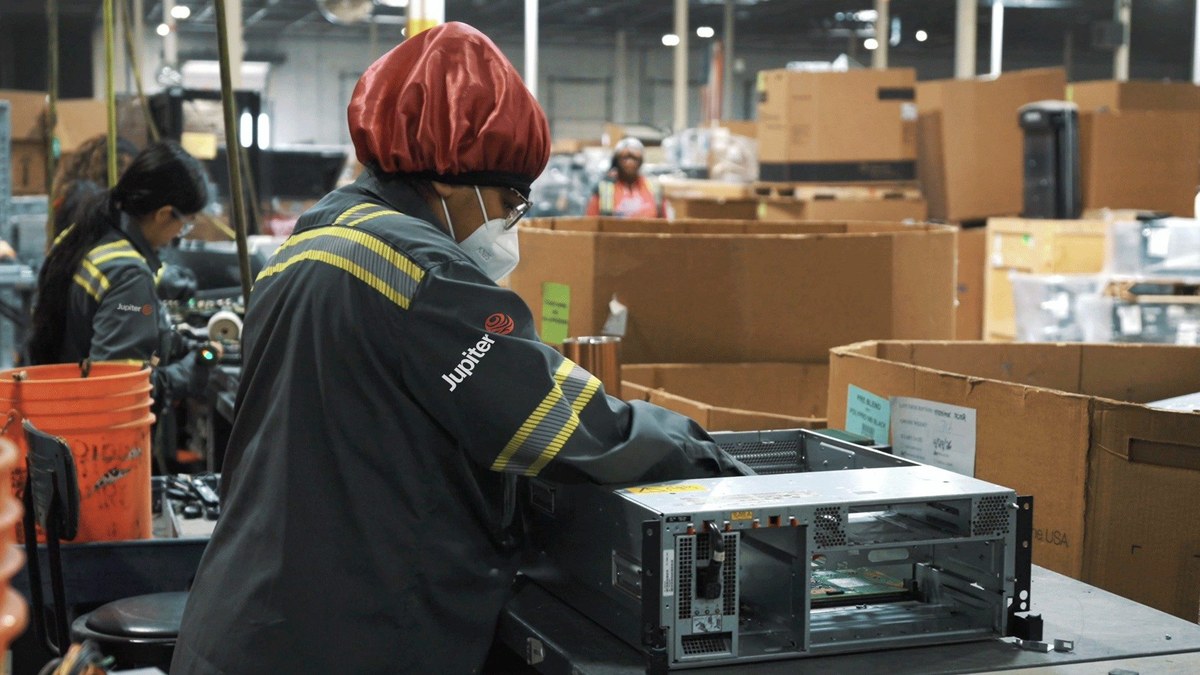
- Key facts & numbers: Jupiter launches as the merger of Solarcycle and PedalPoint Recycling, consolidating Korea Zinc's US recycling and metals business, with eight certified US facilities, nearly 1 million square feet of processing space and about 250 employees. Jupiter inherits customers from both businesses — including Microsoft, Prologis and Brookfield — offering one company to decommission equipment, resell parts with remaining useful life and recycle the rest. Korea Zinc will hold a majority stake in Jupiter, with Solarcycle's Suvi Sharma as CEO and PedalPoint's Kevin Hahm as CFO; Microsoft and Prologis Ventures are among Solarcycle's existing investors.
- What happens next: Buried in the timeline: the $7.4B Clarksville refinery doesn't run until 2029 — so this launch is really about who locks up the feedstock.
- Jupiter launches as the merger of Solarcycle and PedalPoint Recycling, consolidating Korea Zinc's US recycling and metals business, with eight certified US facilities, nearly 1 million square feet of processing space and about 250 employees.
- Jupiter inherits customers from both businesses — including Microsoft, Prologis and Brookfield — offering one company to decommission equipment, resell parts with remaining useful life and recycle the rest.
- Korea Zinc will hold a majority stake in Jupiter, with Solarcycle's Suvi Sharma as CEO and PedalPoint's Kevin Hahm as CFO; Microsoft and Prologis Ventures are among Solarcycle's existing investors.
- Solarcycle's Cedartown, Georgia plant was processing thousands of retired solar panels a week when it opened and can handle up to 5 GW of panels annually at full capacity, recovering glass, aluminum, copper and silver.
Why It Matters
Korea Zinc now controls the full chain: Jupiter handles decommissioning and recovery across eight US facilities with customers like Microsoft and Prologis, while Korea Zinc's refineries turn recovered silver and copper into finished products. But the payoff is years out — Project Crucible does not start production until 2029, so Jupiter's near-term value is capturing feedstock, not refining it.
Sources Cited
Related Coverage
Ask SkimNews