Subaru’s next EV will be smarter, more efficient, and less like a Toyota
The 30-Second Skim
- What happened: Subaru is testing the hardware and software foundation of its next EV generation, a move toward greater internal control and a clearer identity beyond its Toyota partnership, with some technology planned for rollout around 2029.
- Key facts & numbers: Subaru is branching away from Toyota for its next-generation EVs after the companies’ 2024 plan for four jointly developed electric SUVs by the end of 2026, intended to share development costs and manufacturing space. Subaru unveiled its first dedicated EV platform; an Outback-bodied AWD prototype delivered 509 hp and 0–62 mph in under four seconds, with some broader technology planned to roll out around 2029. Subaru said the test design was not final. Panasonic Energy supplied the prototype’s 4,000-cell cylindrical battery, which Subaru says is 24% lighter than the previous pack; Subaru targets energy density 20% above the industry average.
- What happens next: The catch: Subaru’s “in-house” EV stack still relies on an Aisin e-axle and Panasonic Energy pack—not a fully in-house supply chain.
- Subaru is branching away from Toyota for its next-generation EVs after the companies’ 2024 plan for four jointly developed electric SUVs by the end of 2026, intended to share development costs and manufacturing space.
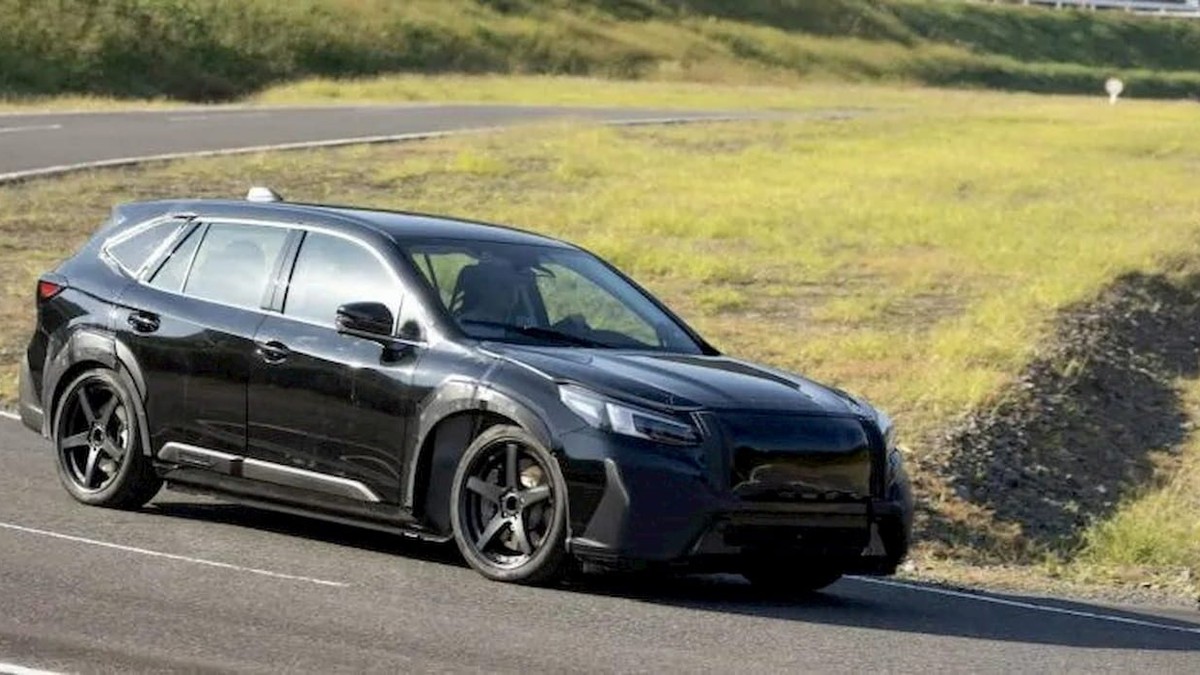
- Subaru unveiled its first dedicated EV platform; an Outback-bodied AWD prototype delivered 509 hp and 0–62 mph in under four seconds, with some broader technology planned to roll out around 2029. Subaru said the test design was not final.
- Panasonic Energy supplied the prototype’s 4,000-cell cylindrical battery, which Subaru says is 24% lighter than the previous pack; Subaru targets energy density 20% above the industry average.
- Subaru says its new motors deliver a 30% efficiency increase over the industry average, while the new components are lighter, smaller and more efficient than those in its current EVs.
Why It Matters
Subaru’s next EV generation is moving out of shared development with Toyota and into company-led technology, with some pieces due around 2029. The material change is a 24% lighter battery and ECUs intended to reduce costs across the lineup, though Aisin and Panasonic Energy hardware leaves component supply outside that in-house effort.
Sources Cited
Related Coverage
Ask SkimNews