Tesla Driver Asleep at 100 km/h, Sunglasses Bypass Monitor
The 30-Second Skim
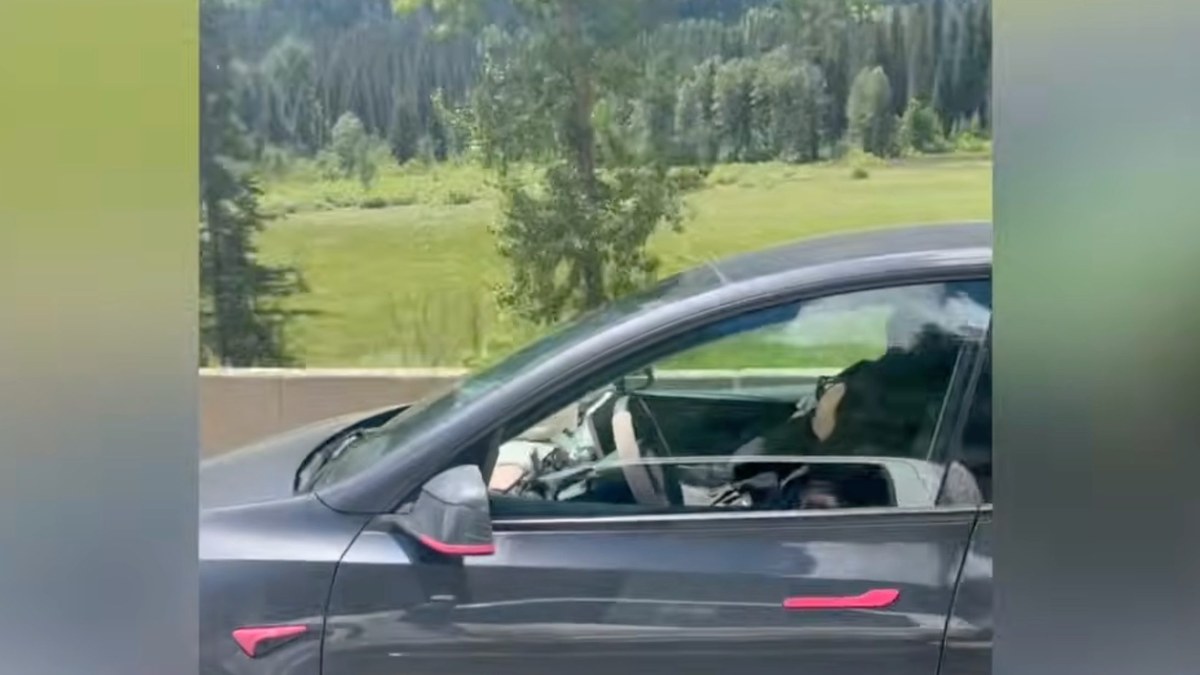
- What happened: A Tesla driver filmed apparently asleep at ~100 km/h on B.C.'s Trans-Canada Highway, with two sleeping children aboard, exposes how a pair of large sunglasses disabled the vision-based monitoring system meant to catch exactly this.
- Key facts & numbers: Tesla driver was filmed apparently 'fast asleep' at roughly 100 km/h on B.C.'s Trans-Canada Highway between Golden and Revelstoke with two sleeping children in the car, according to witness Carleigh, who called Revelstoke RCMP and was later told they had the plate. Tesla's cabin camera — the primary driver monitor since FSD v12.4 — 'will not be activated' when the driver wears sunglasses, per Tesla's own owner's manual, so the system fell back to steering-wheel torque checks instead. Torque detection only confirms 'some force' is being applied to the wheel — a slumped body, resting arm, or nag-defeating accessory can satisfy it, so it cannot confirm the driver is actually awake or looking at the road.
- What happens next: Sunglasses accidentally do what $30 doll heads do on purpose — beat Tesla's 'safeguard.' The Level 2 marketing shrugs; the lawyer won't.
- Tesla driver was filmed apparently 'fast asleep' at roughly 100 km/h on B.C.'s Trans-Canada Highway between Golden and Revelstoke with two sleeping children in the car, according to witness Carleigh, who called Revelstoke RCMP and was later told they had the plate.
- Tesla's cabin camera — the primary driver monitor since FSD v12.4 — 'will not be activated' when the driver wears sunglasses, per Tesla's own owner's manual, so the system fell back to steering-wheel torque checks instead.
- Torque detection only confirms 'some force' is being applied to the wheel — a slumped body, resting arm, or nag-defeating accessory can satisfy it, so it cannot confirm the driver is actually awake or looking at the road.
- Tesla's separate Driver Drowsiness Warning shares the same eye-sight dependency, and a recent 2025.32.3 update responds to detected drowsiness by suggesting the driver turn on FSD — pushing more automation at the moment of greatest impairment.
Why It Matters
Tesla markets its monitoring as the safeguard that keeps hands-off, eyes-off driving from happening — but sunglasses defeat the cabin camera by accident and $30 doll heads defeat it on purpose. As FSD gets more capable and lulls drivers into over-trust, the gap between Level 2 marketing language and a system that can't see through gas-station sunglasses is precisely where incidents and legal liability live.
Sources Cited
Related Coverage
Ask SkimNews