US Army calls Iowa blast a success; lead tests continue
The 30-Second Skim3 points
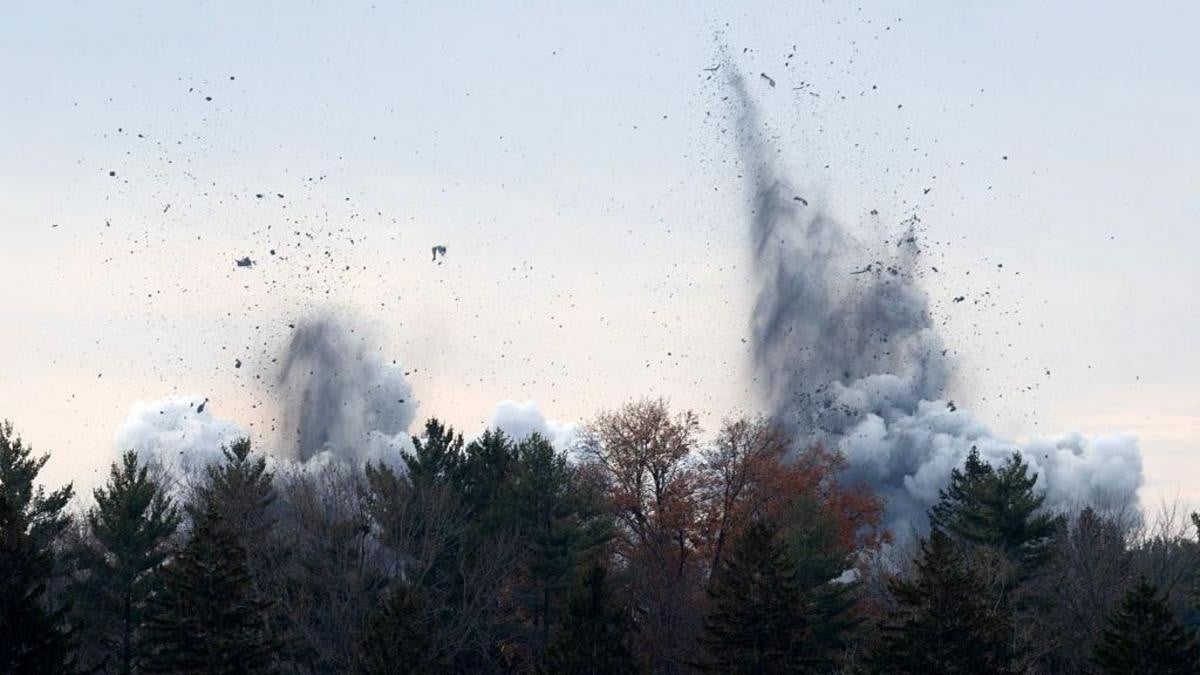
- What happenedThe US Army detonated nearly five tonnes of degraded lead azide at an Iowa plant on Wednesday, calling it a “huge success.” Smoke was visible, but an all-clear was issued and soil, air and water testing continues.
- Key facts & numbersMore than 1,000 samples were collected from homes, parks, farms and drinking-water taps; EPA Administrator Lee Zeldin said monitors detected zero airborne lead, with lab results projected to begin arriving within 24 to 48 hours.
- What happens nextZeldin said the goal was to complete all sampling by Thursday, including churches, schools and playgrounds, while FEMA added resources and testing in the coming days and weeks.
Outlets differ on this. BBC and NYT Climate frame it differently. See how they frame it
Why It Matters
The blast settled a stated safety trade-off: the appeals court judged an uncontrolled explosion more dangerous than the controlled release. Yet the Army’s “huge success” claim precedes final results from more than 1,000 samples, and no level of lead exposure is considered safe.
Children and pregnant women are especially vulnerable. With schools, churches, playgrounds, homes, farms, parks and drinking-water taps in the sampling effort, the policy stakes are transparent verification, Army and EPA follow-through, and any remediation officials determine is necessary for affected residents.
How Outlets Are Framing It
- BBCThe lead emphasizes the Army’s “huge success,” the all-clear and reassuring early readings for nearby residents, while retaining detail on legal challenges and repeated schedule changes.
- NYT ClimateIts headline asks whether the Army knew much earlier of the explosive risk. Like the BBC, it centers risk management but foregrounds prior knowledge over reassurance.
Background & Timeline
- For about 20 years before the blast: The explosives stayed in storage and degraded through recrystallisation, leaving lead azide more responsive to accidental detonation from friction or movement.
- MondayAn appeals court overturned the decision to halt the blast, saying uncontrolled-explosion risk outweighed the valid environmental and health concerns.
Sources Cited
- BBC EnvironmentUS Army calls Iowa blast a success; lead tests continue
Related Coverage
Ask SkimNews
The day’s news in one short email, every morning.
Free. One email a day. Unsubscribe in one click.