US EV Fast Charging Enters 'Charging 2.0' as Port Growth Slows
The 30-Second Skim7 points
- What happenedThe US added 4,382 new DC fast-charging ports in Q2 2026—down 10% year-over-year—even as charging sessions jumped 29%, signaling a market shift toward reliability, profitability, and the NACS connector standard rather than sheer buildout speed.
- Key facts & numbersUS public DC fast-charging added 4,382 new ports in Q2 2026, a 10% decline from 4,865 in the same quarter of 2025, while first-half 2026 deployments (7,903) trailed first-half 2025 (8,532) by 7.4%. Tesla led the quarter with 1,185 new ports—27% of all US fast-charging installations—and continues building differently, averaging 12.1 ports per new station versus 4.4 at non-Tesla sites, which averaged 3.6 a year ago. Walmart, ChargePoint, and Red E followed with 368, 333, and 315 new ports respectively, while newer networks—Ionna, Mercedes-Benz High-Power Charging, and Pilot Flying J—are rapidly building nationwide footprints as legacy operators like Electrify America and EVgo concentrate in existing markets.
- What happens nextSessions up 29%, port installs DOWN 10%, and utilization per port stayed flat—meaning the new infrastructure is barely absorbing the demand surge. The real story isn't the slowdown; it's the convergence.
- US public DC fast-charging added 4,382 new ports in Q2 2026, a 10% decline from 4,865 in the same quarter of 2025, while first-half 2026 deployments (7,903) trailed first-half 2025 (8,532) by 7.4%.
- Tesla led the quarter with 1,185 new ports—27% of all US fast-charging installations—and continues building differently, averaging 12.1 ports per new station versus 4.4 at non-Tesla sites, which averaged 3.6 a year ago.
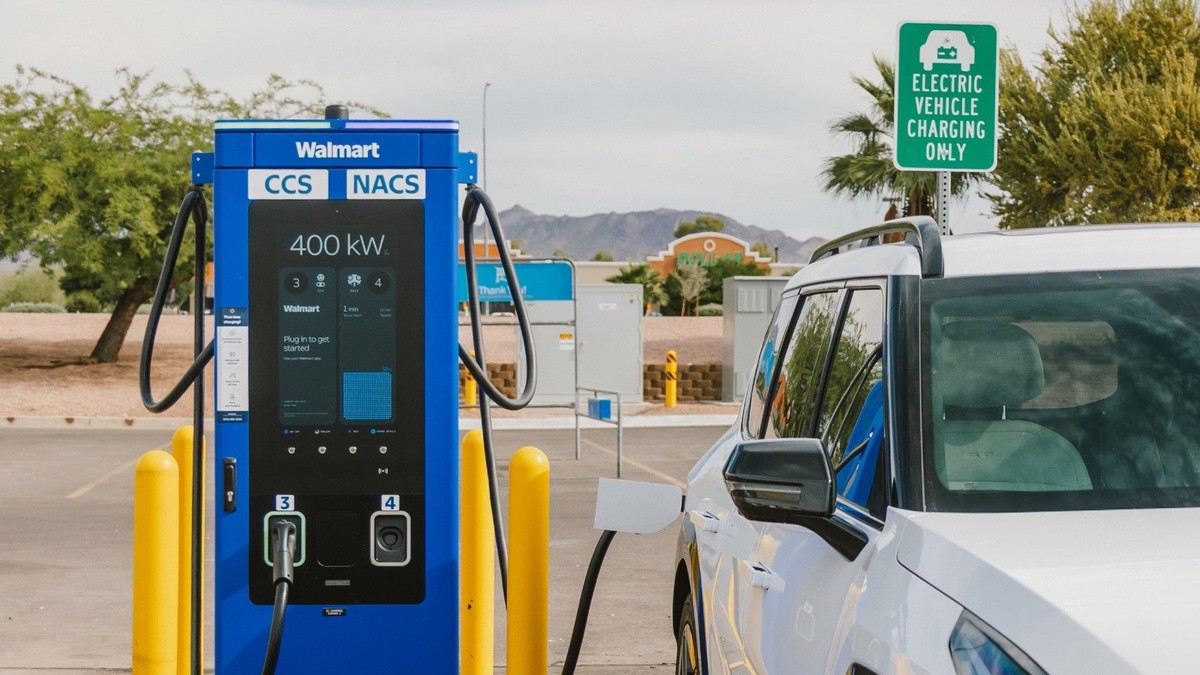
- Walmart, ChargePoint, and Red E followed with 368, 333, and 315 new ports respectively, while newer networks—Ionna, Mercedes-Benz High-Power Charging, and Pilot Flying J—are rapidly building nationwide footprints as legacy operators like Electrify America and EVgo concentrate in existing markets.
- Charging demand surged with sessions up 3.5 million year-over-year (a 29% jump), but sessions per port and overall utilization stayed flat, meaning new capacity is keeping pace with the growing EV fleet rather than outstripping it.
Why It Matters
The 10% decline in new port installations alongside a 29% jump in charging sessions signals a turning point: investors and operators are now prioritizing operational efficiency and profitability over raw buildout, and networks that combine NACS connectors, reliable uptime, and urban density will capture the next phase of demand. Operators clinging to CCS-heavy legacy infrastructure risk losing customers as the connector standard flips.
Sources Cited
Related Coverage
Ask SkimNews
The day’s news in one short email, every morning.
Free. One email a day. Unsubscribe in one click.