Western Wildfires Defy Traditional Prevention Methods
The 30-Second Skim
- What happened: After touring Utah's 97,000-acre Cottonwood Fire burn scar, lawmakers blamed poor forestry management — but researchers warn that traditional fire prevention methods are losing effectiveness as hotter, drier weather becomes the norm in the West.
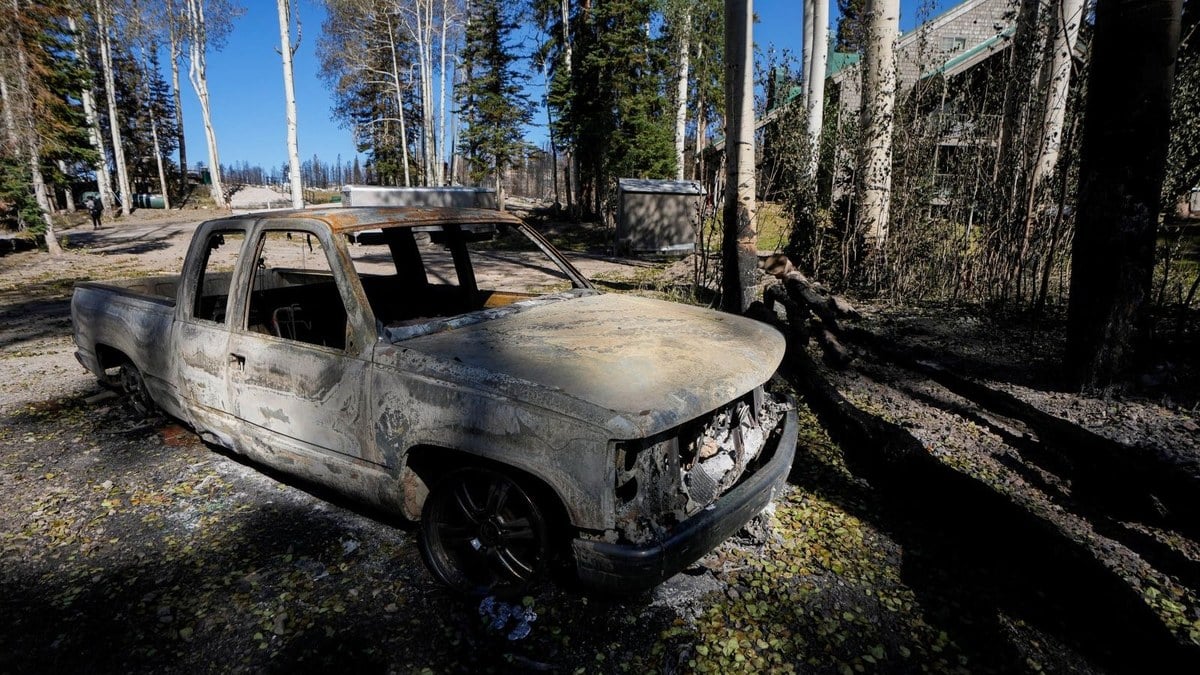
- Key facts & numbers: The Cottonwood Fire charred more than 97,000 acres since June 22 and was 95% contained as of late Thursday, exploding by 20,000 acres overnight in late June as Trump administration officials and members of Congress surveyed the burn scar. Representative Bruce Westerman (R-Arkansas) blamed the destruction on a lack of forestry management, saying thinning forests and controlled burns would reduce the fuel that drives catastrophic fires. Clark University professor Dominik Kulakowski countered that "weather and climate override the effects of fuels," arguing traditional fire prevention is losing effectiveness and warning that in parts of the West, no forest vegetation is regrowing after fires — a potential "ecosystem collapse."
- What happens next: The political reflex is 'thin the forests' — but researchers say climate is overriding fuel management entirely. Buried deeper: possible 'ecosystem collapse' with zero regrowth.
- The Cottonwood Fire charred more than 97,000 acres since June 22 and was 95% contained as of late Thursday, exploding by 20,000 acres overnight in late June as Trump administration officials and members of Congress surveyed the burn scar.
- Representative Bruce Westerman (R-Arkansas) blamed the destruction on a lack of forestry management, saying thinning forests and controlled burns would reduce the fuel that drives catastrophic fires.
- Clark University professor Dominik Kulakowski countered that "weather and climate override the effects of fuels," arguing traditional fire prevention is losing effectiveness and warning that in parts of the West, no forest vegetation is regrowing after fires — a potential "ecosystem collapse."
- NOAA attributes climate change as the primary driver of Western U.S. wildfire risk for the past two decades, while research published this month in PNAS found Utah's severe snow drought is now 14 times more likely than at the start of the industrial period.
Why It Matters
The Trump administration's blanket fire-suppression directive directly cuts against the bipartisan Fix Our Forests Act's fuel-management approach, while researchers warn that climate-driven megafires may sterilize soils and prevent any forest regrowth in parts of the West — meaning the political consensus on forest thinning may no longer match what the landscape can actually support.
Sources Cited
Related Coverage
Ask SkimNews