UV torch trick uncovers rare Surrey butterfly colony
The 30-Second Skim7 points
- What happenedAn amateur lepidopterist in Surrey discovered a population of the UK's elusive black hairstreak butterfly — never before recorded in the county — and pioneered a UV-light surveying technique now being adopted nationwide by Butterfly Conservation.
- Key facts & numbersGareth Tilley, a Surrey amateur lepidopterist, spotted a black hairstreak butterfly during a 2020 lockdown walk in Epsom — the first record of the species in the county. Butterfly Conservation had previously mapped the black hairstreak exclusively to woodlands between Oxford and Peterborough, and reports a 33% decline in UK distribution since 2002 due to habitat loss. Tilley partnered with Butterfly Conservation, the local council, and the University of Sussex to confirm a breeding population exists in Surrey after some locals dismissed his find as a one-off illegal release.
- What happens nextThe hack is the story: a guy with a UV torch found 46 caterpillars in one night after a species that mimics bird droppings had been "impossible" to monitor. Method > the find.
- Gareth Tilley, a Surrey amateur lepidopterist, spotted a black hairstreak butterfly during a 2020 lockdown walk in Epsom — the first record of the species in the county.
- Butterfly Conservation had previously mapped the black hairstreak exclusively to woodlands between Oxford and Peterborough, and reports a 33% decline in UK distribution since 2002 due to habitat loss.
- Tilley partnered with Butterfly Conservation, the local council, and the University of Sussex to confirm a breeding population exists in Surrey after some locals dismissed his find as a one-off illegal release.
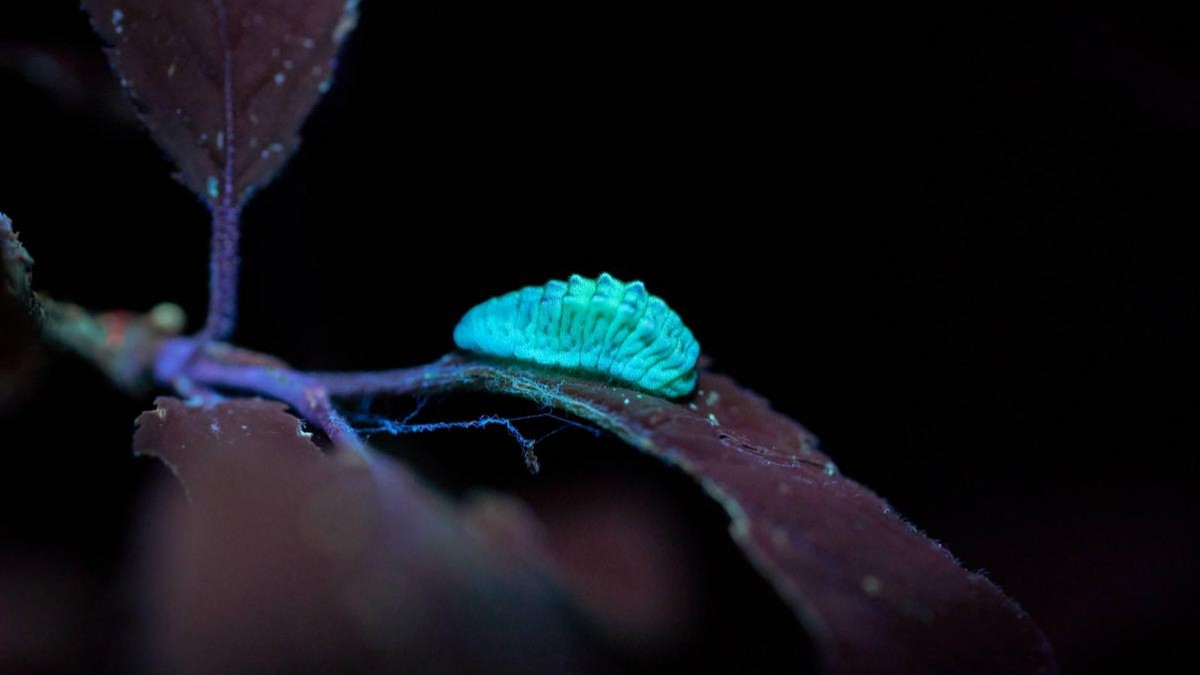
- Inspired by US caterpillars that glow under UV light, Tilley bought a UV torch in May 2022 and found 46 black hairstreak caterpillars in a single evening — a species he called "notoriously difficult" to monitor because larvae mimic leaves and adults stay high in the canopy.
Why It Matters
For a species that had dropped 33% in range since 2002 and was thought confined to a single Oxford-to-Peterborough corridor, a confirmed Surrey colony expands the known population — and the UV torch method gives Butterfly Conservation and its volunteers a fast, cheap way to find cryptic larvae that conventional surveying routinely misses.
Sources Cited
- BBC EnvironmentRare butterfly find drives conservation research
Related Coverage
Ask SkimNews
The day’s news in one short email, every morning.
Free. One email a day. Unsubscribe in one click.