NY E-Bike Registration Bills Stall Until 2027
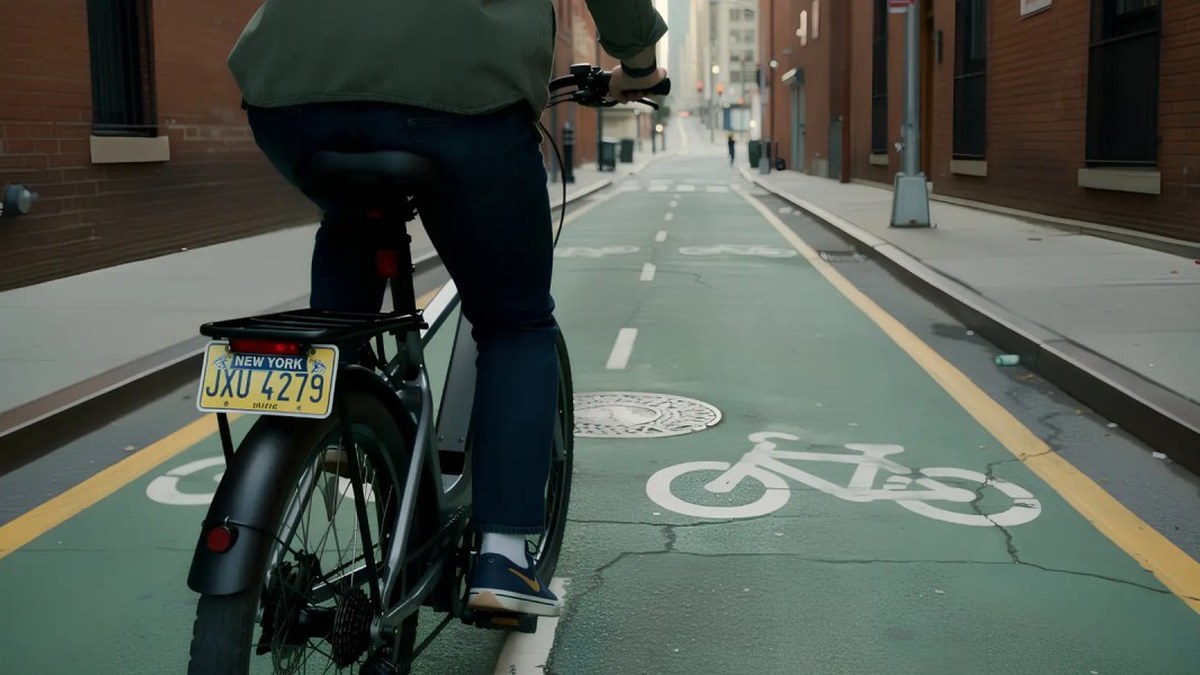
The 30-Second Skim
- What happened: New York lawmakers who had been pushing for e-bike registration and licensing requirements have effectively run out of time to advance the legislation this year, with the measures now unlikely to return until 2027.
- Key facts & numbers: Assemblyman Bill Magnarelli said the state's late budget process pushed transportation legislation to the sidelines, making major e-bike registration proposals unlikely to return until 2027, calling it a "casualty" of the delayed budget. New York City saw average daily bicycle crossings over East River bridges rise to nearly 29,000 per day last year, while advocacy groups estimate roughly 80,000 delivery workers now rely on e-bikes in the city. New York currently follows the standard three-class e-bike system, capping Class 1 and 2 e-bikes at 20 mph and Class 3 pedal-assist e-bikes at 25 mph in NYC, with riders under 16 prohibited and e-bikes banned from roads posted above 30 mph.
- What happens next: The headline says 'push,' but the actual story is a delay — the bill died on the vine of a late budget. Meanwhile NJ hits the gas on registration. Riders get another year of limbo.
- Assemblyman Bill Magnarelli said the state's late budget process pushed transportation legislation to the sidelines, making major e-bike registration proposals unlikely to return until 2027, calling it a "casualty" of the delayed budget.
- New York City saw average daily bicycle crossings over East River bridges rise to nearly 29,000 per day last year, while advocacy groups estimate roughly 80,000 delivery workers now rely on e-bikes in the city.
- New York currently follows the standard three-class e-bike system, capping Class 1 and 2 e-bikes at 20 mph and Class 3 pedal-assist e-bikes at 25 mph in NYC, with riders under 16 prohibited and e-bikes banned from roads posted above 30 mph.
- Magnarelli is pushing for registration requirements across all e-bike classes, arguing accountability and enforcement are becoming more important as ridership expands.
Why It Matters
Roughly 80,000 NYC delivery workers and tens of thousands of commuter cyclists will continue operating under the current three-class system at least through 2026, while neighboring New Jersey moves ahead with registration this summer — creating a regulatory split that could complicate cross-border commuting and set a template New York may be pressured to follow when its own debate resumes.
Sources Cited
Related Coverage
Ask SkimNews