World's largest penguin colony hit by 'alarming' decline in numbers
The 30-Second Skim
- What happened: Aerial surveys by the British Antarctic Survey reveal that chinstrap penguin nests on Zavodovski Island — once the world's largest colony — have plummeted 63% since 2011, while neighboring macaroni penguins have surged as warming waters shift krill supplies southward.
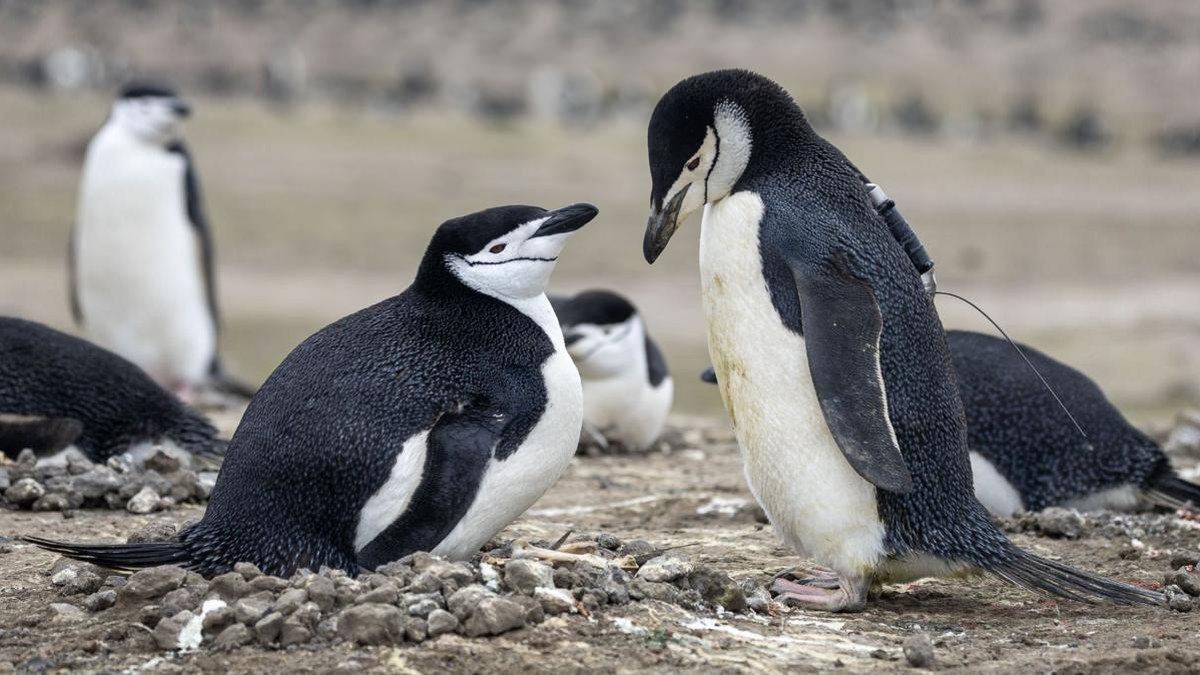
- Key facts & numbers: British Antarctic Survey aerial surveys found 63% fewer occupied chinstrap penguin nests on Zavodovski Island in 2025 than in 2011, using drones, aerial photography, and tracking devices fitted to 20 birds; the team sailed 15 days to reach the remote South Sandwich Islands. Zavodovski Island lost its title as the world's largest penguin colony to Cape Adare in the Ross Sea, more than 5,000 km away on the opposite side of Antarctica. Prof Norman Ratcliffe, who led the research published in Current Biology, attributed the decline to chinstraps' specialist krill diet and preference for cooler waters — warming has pushed krill southward, but sea-ice cover and a lack of suitable nesting islands prevent the penguins from following the food.
- What happens next: Bury the lede: the macaroni penguins on the same island are booming. Two species, same rocks, opposite trajectories — that contrast tells the climate story more than the 63% figure alone.
- British Antarctic Survey aerial surveys found 63% fewer occupied chinstrap penguin nests on Zavodovski Island in 2025 than in 2011, using drones, aerial photography, and tracking devices fitted to 20 birds; the team sailed 15 days to reach the remote South Sandwich Islands.
- Zavodovski Island lost its title as the world's largest penguin colony to Cape Adare in the Ross Sea, more than 5,000 km away on the opposite side of Antarctica.
- Prof Norman Ratcliffe, who led the research published in Current Biology, attributed the decline to chinstraps' specialist krill diet and preference for cooler waters — warming has pushed krill southward, but sea-ice cover and a lack of suitable nesting islands prevent the penguins from following the food.
- Macaroni penguins on the same island are thriving, with tracking data showing they forage in warmer waters to the northeast and supplement their diet with fish and other crustaceans.
Why It Matters
A 63% collapse of the world's former largest penguin colony in just 14 years is the starkest documented case of rapid Antarctic warming restructuring a single seabird community, and the chinstrap species may now qualify as officially endangered. The mechanism — cold-adapted specialist feeders trapped behind shifting prey — has implications beyond penguins, signaling how Antarctic ecosystems reorganize as the ocean warms.
Sources Cited
- BBC Environment — World's largest penguin colony hit by 'alarming' decline in numbers
- The Guardian Environment — The Guardian Environment
Related Coverage
- Penguin Guano Fuels Antarctic Snow Melt via Algae BloomThe Guardian Environment
- Puffins Face Climate Crisis but Spark Hope ThroughThe Guardian Environment
- Gray whales' numbers halve as Arctic warming cuts preyInside Climate News
- Uncovering the secrets of New Zealand’s elusive ‘jungle penguins’The Guardian Environment
Ask SkimNews