Youth Climate Trial Begins in Canada Over Charter Rights
The 30-Second Skim
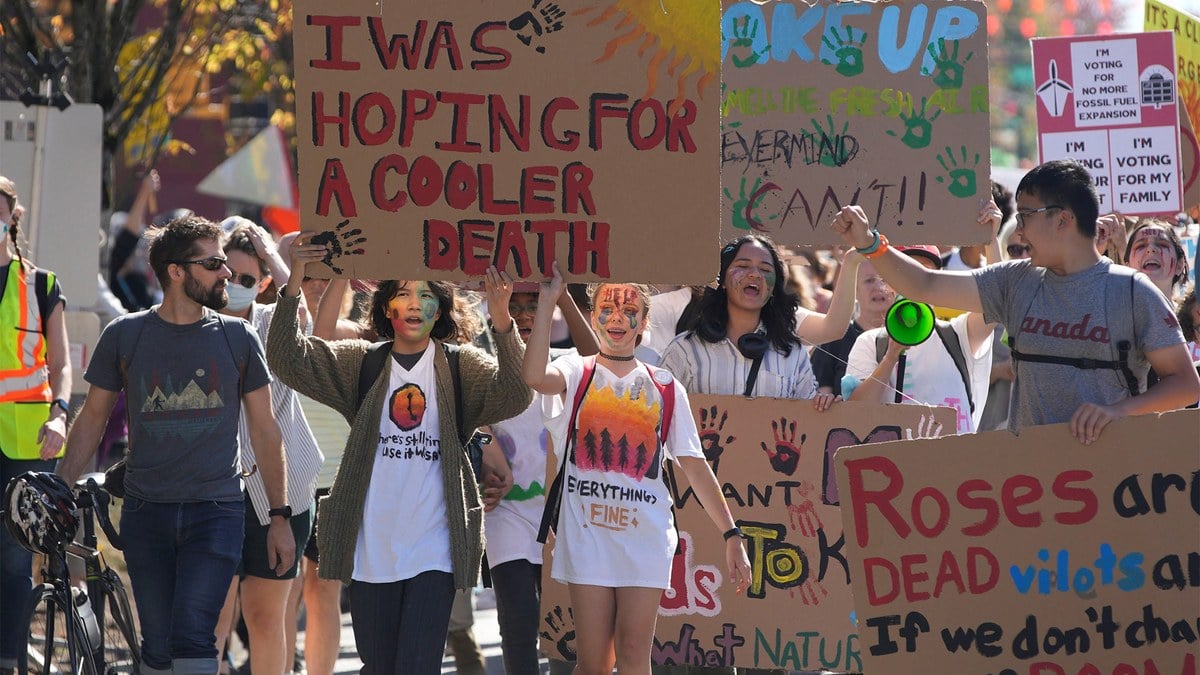
- What happened: On October 26, 2026, 15 Canadian youth began a five-week trial in Vancouver, accusing the federal government of violating their constitutional rights by failing to adequately combat climate change. The case focuses on alleged breaches of Section 7 of the Canadian Charter, guaranteeing life, liberty, and security.
- Key facts & numbers: The plaintiffs, aged 10 to 19 when the suit was filed in 2019, argue the Net-Zero Emissions Accountability Act of 2021 and the 2030 Emissions Reduction Plan are insufficient. The Federal Court of Appeal in 2023 allowed Section 7 claims to proceed after narrowing the case.
- What happens next: Closing arguments are scheduled for February 2027, with a ruling expected later that year. An appeal is likely regardless of the outcome, potentially delaying final resolution.
Why It Matters
A ruling in favor of the youth could compel Canada to strengthen its emissions targets and climate policies, setting a domestic precedent for judicial intervention in climate governance. It may also influence litigation strategies in other Commonwealth nations with similar legal frameworks.
Even if unsuccessful, the trial amplifies public discourse on intergenerational climate justice and could pressure policymakers. Legal experts note such cases, like Held v. Montana, have already inspired settlements and policy shifts, showing courtroom losses don’t negate broader strategic wins for climate advocates.
How Outlets Are Framing It
- [Grist / Legal Accountability Lens]: Focuses on the trial as a pivotal moment for youth-led constitutional climate litigation, emphasizing its global symbolic weight and ties to similar cases like Held v. Montana.
- [Discover Magazine / Public Health Lens]: Highlights climate-driven health risks, such as the spread of rare pathogens like brain-eating amoebas, underscoring the bodily harm central to Section 7 rights claims.
- [Policy Watch / Judicial Intervention Risk]: Warns that court mandates on emissions policy could blur separation of powers, echoing government arguments that climate strategy is a political, not judicial, domain.
Background & Timeline
- September 2019: 15 youth, six identifying as Indigenous, file La Rose v. His Majesty the King, alleging climate inaction breaches Charter rights under Sections 7 and 15.
- June 2023: Federal Court of Appeal revives Section 7 claims after plaintiffs amend suit to target the 2021 Net-Zero Act and 2030 Emissions Reduction Plan.
Sources Cited
Related Coverage
Ask SkimNews