30‑Year Treasury Yield Nears 5% Amid War‑Inflation
The 30-Second Skim
- What happened: The 30‑year Treasury yield edged toward 5% as inflation fears from the U.S.-Israel war, soaring oil and a sluggish 0.7% Q4 growth pushed bond prices lower and rattled equity markets.
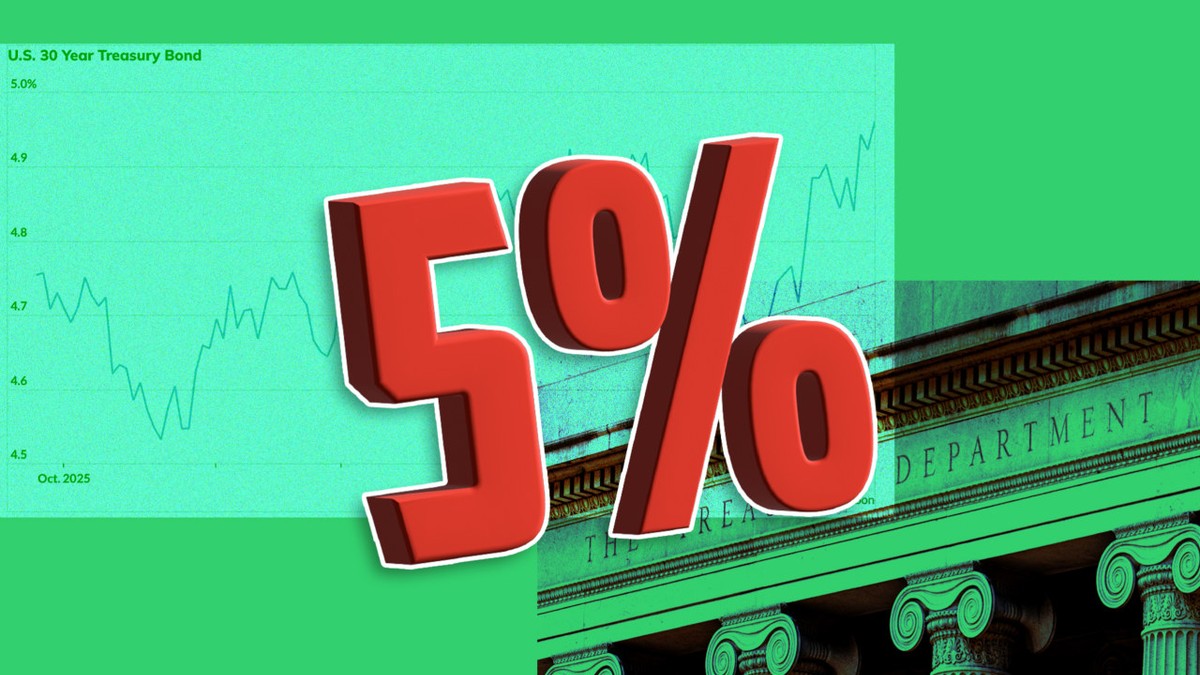
- Key facts & numbers: 30-year Treasury yield rose to 5.026% on Tuesday, after an intraday high near 4.98% and an overnight approach to 5%, marking a near‑5% threshold for ultra‑long‑term borrowing. Vincent Ahn of Wisdom Fixed Income Management warned that the yield’s climb reflects stagflation—oil near $100, accelerating inflation and a 0.7% annual Q4 2025 GDP growth—signalling caution for stocks and consumers. U.S. GDP data revised on March 13 showed a 0.7% annual growth rate for Q4 2025, prompting 10‑year and 30‑year Treasury yields to sell off despite their typical safe‑haven demand.
- What happens next: Most headlines stress Fed moves, but this piece shows the war‑driven inflation surge is the real driver behind the 30‑yr yield sprint toward 5%.
- 30-year Treasury yield rose to 5.026% on Tuesday, after an intraday high near 4.98% and an overnight approach to 5%, marking a near‑5% threshold for ultra‑long‑term borrowing.
- Vincent Ahn of Wisdom Fixed Income Management warned that the yield’s climb reflects stagflation—oil near $100, accelerating inflation and a 0.7% annual Q4 2025 GDP growth—signalling caution for stocks and consumers.
- U.S. GDP data revised on March 13 showed a 0.7% annual growth rate for Q4 2025, prompting 10‑year and 30‑year Treasury yields to sell off despite their typical safe‑haven demand.
- U.S. equity markets fell on Tuesday, with the Dow Jones down 1.87%, the S&P 500 down 1.62% and the Nasdaq down 1.98%, edging closer to a 10% correction from record highs.
Why It Matters
Investors in long‑dated bonds see yields rise as inflation risk outweighs growth, eroding returns for mortgage‑ and car‑loan borrowers, while equities face pressure from higher financing costs and a potential recession overall. energy‑sector players benefit from sustained high oil prices.
Sources Cited
Related Coverage
Ask SkimNews