Analysis: Kevin Warsh is keeping his options open — and Wall Street guessing
The 30-Second Skim
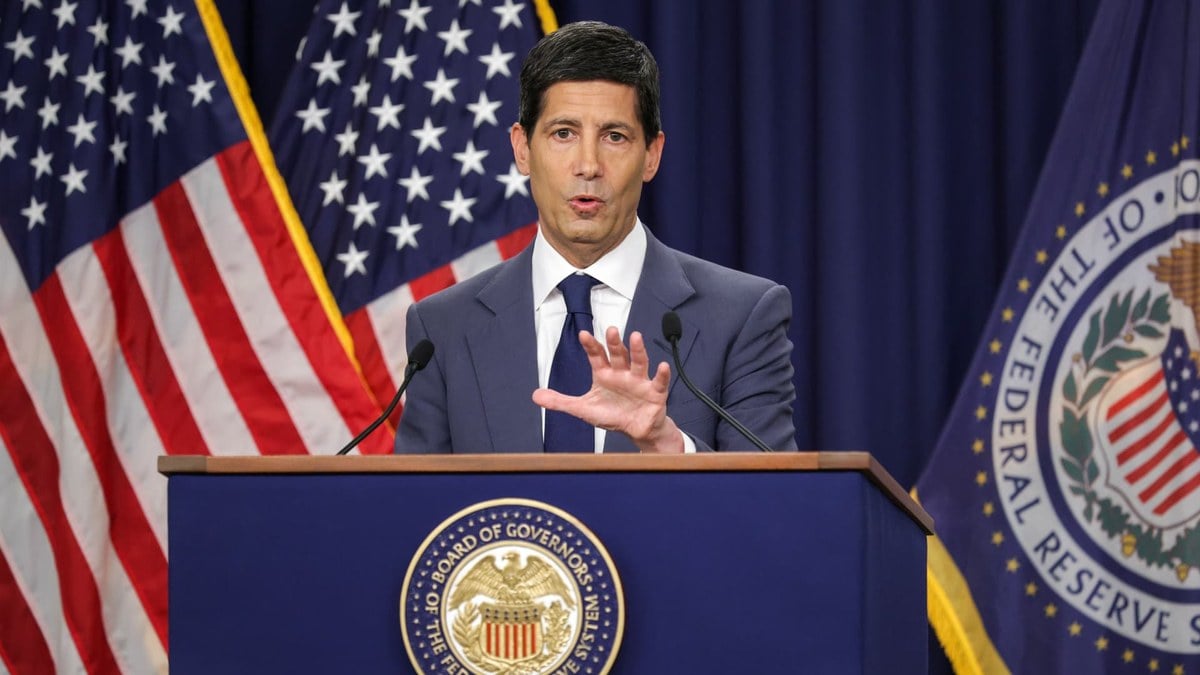
- What happened: Kevin Warsh is combining a hawkish inflation stance with deliberate ambiguity, restructuring the Federal Reserve’s rate-vote calendar so markets have fewer reliable clues and policymakers retain room to maneuver before December.
- Key facts & numbers: Federal Open Market Committee held rates flat in June and July despite inflation running well above its 2% target, then raised rates in September as Warsh gave a notably hawkish reading of the economy. Kevin Warsh rejected any assumption of a set policy course, saying a firm conclusion would be announced “with much fanfare,” and declined to describe tighter financial conditions as “tight.” Kevin Warsh declined to confirm that he directed senior officials to temper rate-hike expectations, although insiders said vice chairs coordinate messages with him; markets still took the signal that there would be no hike this week.
- What happens next: Three votes is the tell: Warsh isn’t just preserving ambiguity—he’s devaluing Fedspeak while vice chairs carried the market’s no-hike signal.
- Federal Open Market Committee held rates flat in June and July despite inflation running well above its 2% target, then raised rates in September as Warsh gave a notably hawkish reading of the economy.
- Kevin Warsh rejected any assumption of a set policy course, saying a firm conclusion would be announced “with much fanfare,” and declined to describe tighter financial conditions as “tight.”
- Kevin Warsh declined to confirm that he directed senior officials to temper rate-hike expectations, although insiders said vice chairs coordinate messages with him; markets still took the signal that there would be no hike this week.
- Federal Reserve will keep eight meetings a year but skip rate votes once in 2027 and twice in 2028, diminishing much of Fedspeak; regional presidents also lose one rotation vote, while the chair retains emergency-meeting authority.
Why It Matters
By skipping rate votes once in 2027 and twice in 2028, Warsh reduces the number of formal policy checkpoints and the influence of Fedspeak on market pricing. That gives policymakers more room to react to inflation and productivity data, while PGIM economist Robert Sockin says a gradual Fed must hike higher, mechanically raising recession risk.
Sources Cited
Related Coverage
Ask SkimNews