Asia Moves to Stabilize Markets Amid AI-Driven Sell-Off
The 30-Second Skim
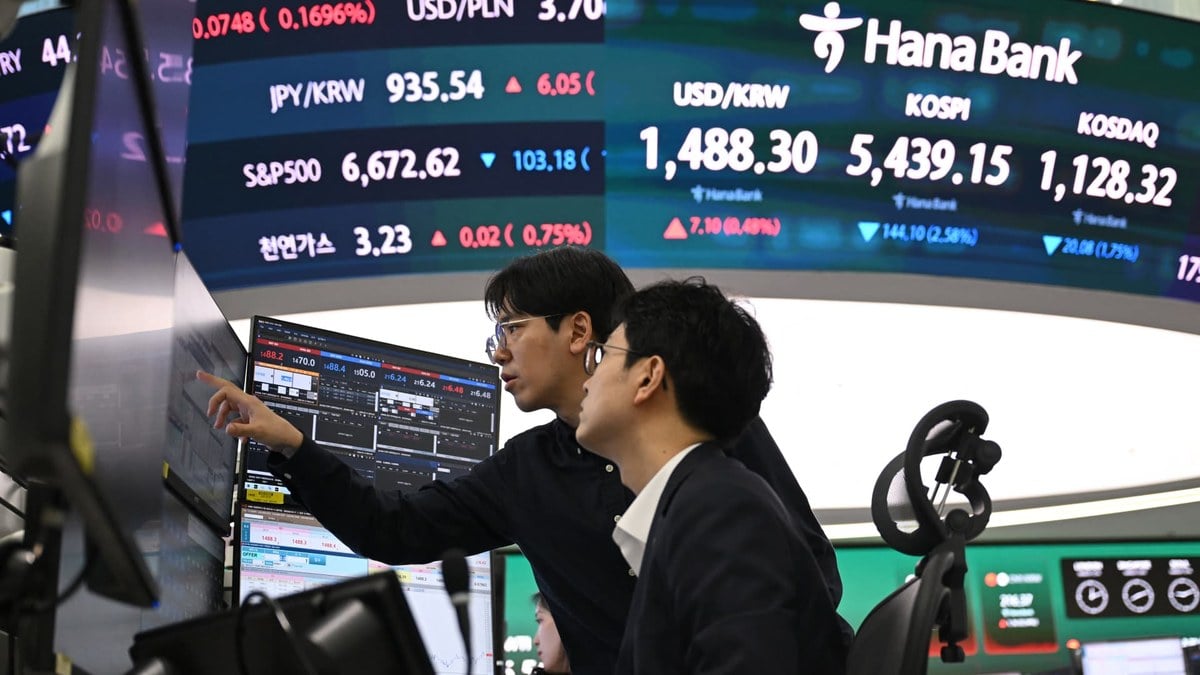
- What happened: South Korea, Taiwan, and China have introduced emergency measures to stabilize stock markets amid a sharp AI-sector-driven sell-off. Actions include market stabilization funds, short-selling curbs, and margin rule changes to counter plunging equities.
- Key facts & numbers: South Korea’s stabilization fund is valued at 10.76 trillion won ($8 billion), with new share-buyback rules starting Nov. 24. Taiwan banned short selling below the prior day’s close, while China will cut margin ratios to 80% from 100% starting Nov. 30.
- What happens next: Investors await the impact of China’s reduced margin ratio on Nov. 30, while regulators in Seoul and Taipei monitor short-selling and margin lending amid ongoing volatility in tech-heavy indices.
Why It Matters
The coordinated but varied interventions highlight growing concern over AI-driven market fragility across Asia. While South Korea and Taiwan focus on curbing speculation, China’s move to increase leverage could amplify risks if sentiment remains weak, potentially deepening systemic vulnerabilities.
These measures reflect a broader policy dilemma: balancing short-term stability with long-term financial health. With tech stocks like TSMC and Samsung central to national economies, prolonged downturns could impact export revenues and investor confidence across global supply chains.
How Outlets Are Framing It
- [CNBC / Market Risk Lens]: Focuses on volatility triggers, emphasizing U.S. rate hikes and AI sector uncertainty as key drivers behind Asia’s market instability and policy response timing.
- [Yahoo Finance / Regulatory Action Lens]: Highlights the regulatory mechanics, detailing short-selling bans and margin changes as tactical moves to restore investor trust.
- [Regional Policy Watch / Geoeconomic Lens]: Stresses national economic exposure to semiconductors, framing interventions as strategic defenses of critical tech industries amid global demand shifts.
Background & Timeline
- June 2026: The Kospi index peaks before entering a bear market, losing over 46% amid investor exits from Samsung and SK Hynix positions.
- 2020: South Korea establishes its 10.76 trillion won securities stabilization fund during the pandemic to counter market shocks.
Sources Cited
Related Coverage
- Asian Regulators Intervene as AI Trade Unravels MarketsGoogle News Business
- Wall Street Steadies as AI Stocks ReboundGoogle News Business
- South Korea's Kospi share index falls 6% and other Asian shares are mixed as oil prices surgeGoogle News Business
- Asia’s stock markets dive amid Iran-Israel conflict, Wall Street jittersAl Jazeera
Ask SkimNews