AT&T Scrambles for Blue‑Collar Workers as AI Shifts
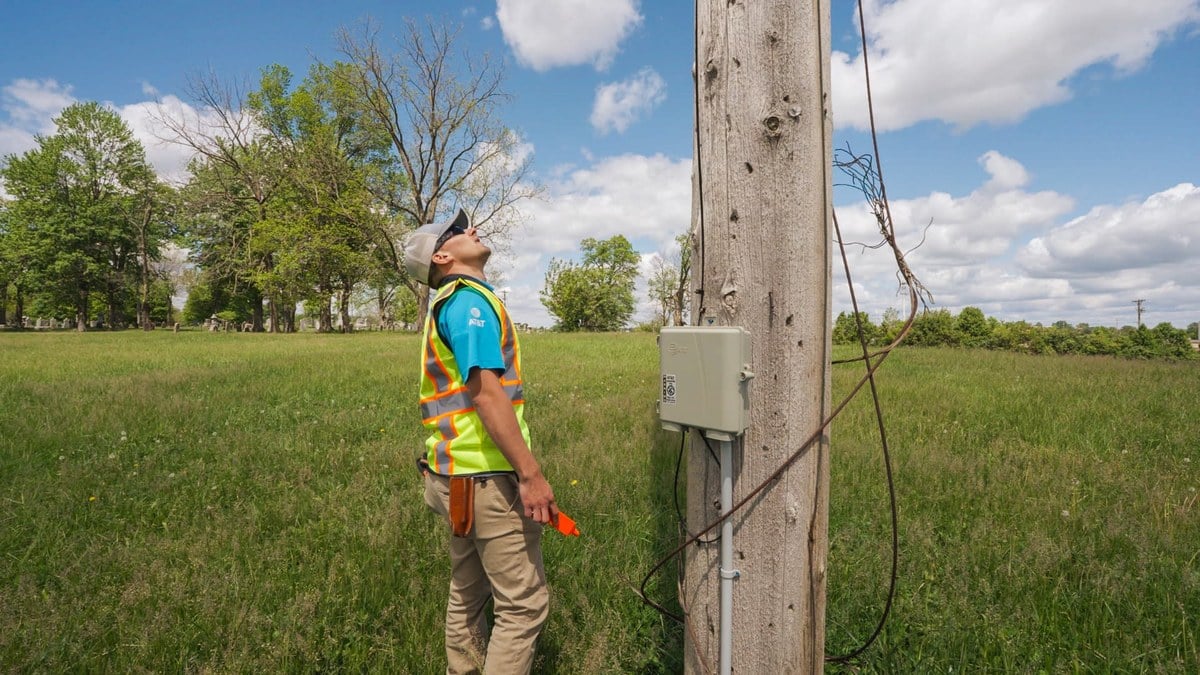
The 30-Second Skim
- What happened: AI is reshaping the U.S. labor market, forcing AT&T to hunt for skilled electricians, photonics experts and field technicians to staff its data‑center expansion. At the same time, the classic college‑to‑middle‑class ladder is fraying as recent graduates lose entry‑level roles while new blue‑collar jobs emerge. The shift marks a reversal of the post‑war American Dream, favoring hands‑on expertise over four‑year degrees.
- Key facts & numbers: AT&T reports difficulty finding skilled blue‑collar workers for its AI and data‑center expansion, citing a shortage of electricians, photonics experts, and field technicians. John Stankey, AT&T CEO, told CNBC the company must actively recruit, train, and incentivize these workers because they are not "growing on trees" in the United States. May Hu, a 26‑year‑old former Deloitte tech consultant, says she was laid off for "nonperformance" and notes that the traditional college‑to‑middle‑class path is eroding as AI replaces entry‑level roles.
- What happens next: AT&T’s scramble for electricians shows AI is turning the old college‑to‑middle‑class ladder upside‑down.
- AT&T reports difficulty finding skilled blue‑collar workers for its AI and data‑center expansion, citing a shortage of electricians, photonics experts, and field technicians.
- John Stankey, AT&T CEO, told CNBC the company must actively recruit, train, and incentivize these workers because they are not "growing on trees" in the United States.
- May Hu, a 26‑year‑old former Deloitte tech consultant, says she was laid off for "nonperformance" and notes that the traditional college‑to‑middle‑class path is eroding as AI replaces entry‑level roles.
- College graduates are facing a shrinking pool of entry‑level jobs in AI‑exposed industries such as marketing, legal, accounting, HR, and IT.
Why It Matters
Blue‑collar technicians gain demand and higher pay as AT&T struggles to staff AI‑driven data‑center projects, while recent college grads lose entry‑level roles, forcing firms to invest in training and reshaping the U.S. labor pipeline.
Background & Timeline
- Editor context: The increasing demand for specialized manual labor to support AI infrastructure suggests that the "new economy" will still be built on foundational, physical work, rather than solely digital or abstract tasks.
Sources Cited
Related Coverage
Ask SkimNews