Canada's Inflation Stays at 3.1% Amid Gas and Grocery
The 30-Second Skim
- What happened: Canada's inflation rate held steady at 3.1% in October 2026, as rising gasoline, grocery, and clothing prices were partially offset by cheaper cellphone plans and slower rent growth. The figure slightly missed economists’ expectations of 3.2%.
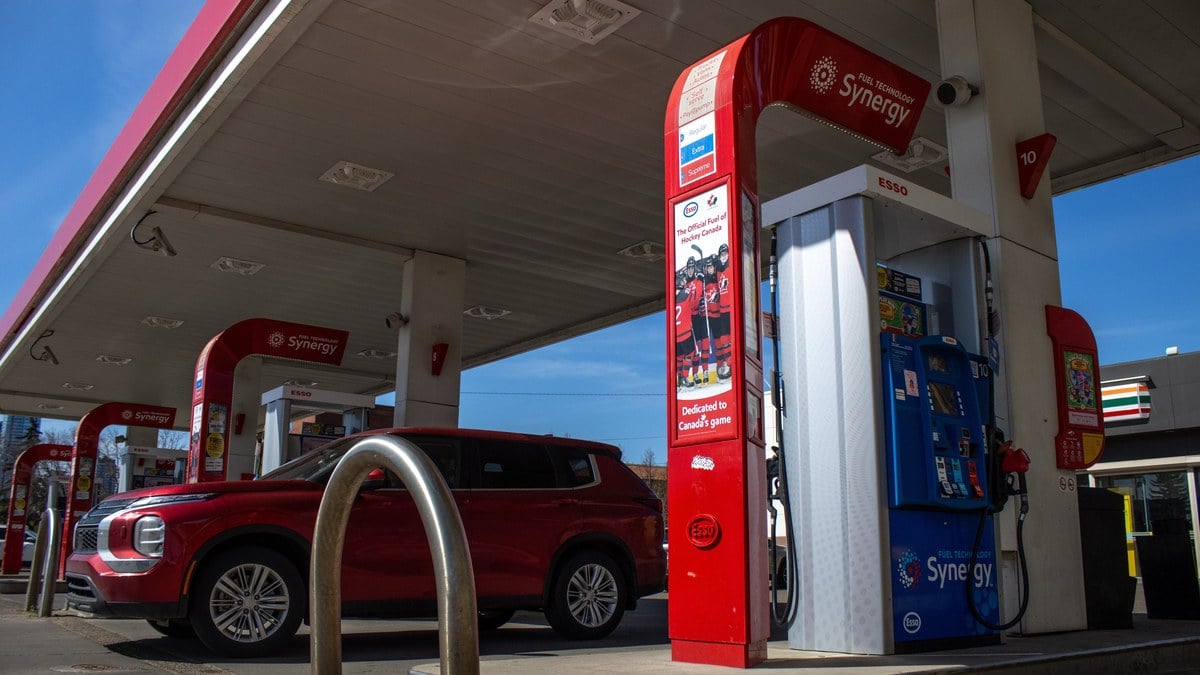
- Key facts & numbers: Gasoline prices rose 30.9% year-over-year in October 2026, up from 27.8% in September, per Statistics Canada. Core CPI excluding food and energy slowed to 1.8%, with RBC noting inflation remains concentrated in narrow sectors.
- What happens next: The Bank of Canada will assess whether further rate hikes are needed at its December 2026 meeting, after raising its key rate to 2.5% in October amid persistent energy cost concerns.
Why It Matters
The persistence of 3.1% inflation, above the Bank of Canada’s 2% target, keeps pressure on policymakers to maintain restrictive rates despite signs of easing core pressures. Elevated energy and food costs continue to strain household budgets, especially as grocery prices are up 31.9% since October 2020, limiting real wage growth.
Markets are assessing whether October’s data gives the central bank room to pause or if further hikes remain likely. The concentration of inflation in specific sectors, per RBC’s diffusion index, suggests broader price stability, but prolonged high energy costs could reignite wider inflation, complicating the monetary outlook.
How Outlets Are Framing It
- [Globe and Mail / Domestic Policy Lens]: Focuses on Bank of Canada’s dilemma, quoting BMO’s Reitzes on whether October’s data justifies a December hike despite no clear signal.
- [WSJ / Global Markets Lens]: Emphasizes Canada’s inflation trend within broader G7 stability, highlighting energy’s role and potential spillovers to North American monetary policy.
- [Anadolu Ajansı / International Risk Lens]: Highlights inflation falling below expectations, linking gas price surges to Middle East and Ukraine conflicts as external supply shocks.
Background & Timeline
- October 28, 2026: Bank of Canada raised its key rate to 2.5%, the first hike since 2023, citing rising energy costs and inflation risks.
- September 2025: Sharp decline in gasoline prices created a low base, amplifying year-over-year inflation comparisons in October 2026.
Sources Cited
- Globe and Mail Business — Canadian inflation holds steady at 3.1% in October, with gas still a key driver
- WSJ — Canada Inflation Holds Steady at 3.1% in October
- Bloomberg.com — Canada Inflation Holds Steady at 3.1% in October
- Proactive financial news — Canadian inflation holds at 3.1% in October as core measures remain near target
- Yahoo! Finance Canada — Canada's annual inflation rate held steady at 3.1% in October
- Anadolu Ajansı — Canada's annual inflation holds steady at 3.1% in October, below expectations
Related Coverage
- Canada Inflation Holds at 3% as Gas Prices SlowGlobe and Mail Business
- Canada Inflation Cools to 2.8% in June on Gasoline DropGlobe and Mail Business
- Financial markets betting on BoC rate hike next week despite subdued inflation dataGlobe and Mail Business
- The Bank of Canada was right to hold rates, but where to from here?Globe and Mail Business
Ask SkimNews