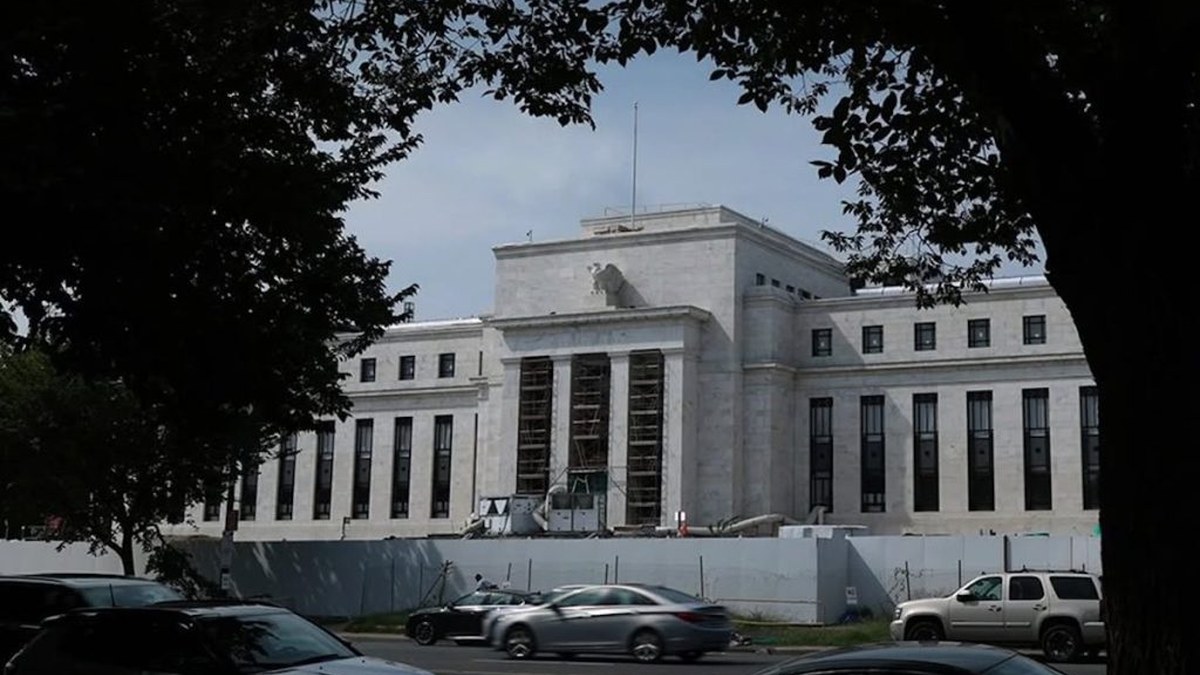
Fed, battling persistent inflation, ups rates 1st time in 3 years
The 30-Second Skim
- What happened: The Federal Reserve raised its benchmark interest rate by a quarter point to 3.75%-4% — its first hike in three years — as August CPI hit 3.4% and the war in Iran pushed oil above $105 a barrel.
- Key facts & numbers: Federal Reserve raised its benchmark rate 25 basis points to a 3.75%-4% range on a unanimous 12-0 vote, the first increase in three years, with Chair Kevin Warsh calling the decision "sober" and declaring, "inflation is too high, and has been for too long." Warsh said the Fed "cannot affect any individual price, whether it be oil prices, whether it be foodstuffs at the grocery store," framing the hike as preventing inflation from broadening rather than reversing the gas spike that drove August's 0.4% monthly CPI increase. Iran is driving the energy shock: a barrel of oil hit $105, gasoline averaged $4.37 a gallon, diesel hit a record $6.31, and US Central Command said it destroyed five Iranian crude oil carriers on Sept. 8 as part of a naval blockade in the Strait of Hormuz.
- What happens next: Warsh's quote is the buried lede: the Fed is openly admitting it can't fix the gas pump. This hike is pure signal, not solution.
- Federal Reserve raised its benchmark rate 25 basis points to a 3.75%-4% range on a unanimous 12-0 vote, the first increase in three years, with Chair Kevin Warsh calling the decision "sober" and declaring, "inflation is too high, and has been for too long."
- Warsh said the Fed "cannot affect any individual price, whether it be oil prices, whether it be foodstuffs at the grocery store," framing the hike as preventing inflation from broadening rather than reversing the gas spike that drove August's 0.4% monthly CPI increase.
- Iran is driving the energy shock: a barrel of oil hit $105, gasoline averaged $4.37 a gallon, diesel hit a record $6.31, and US Central Command said it destroyed five Iranian crude oil carriers on Sept. 8 as part of a naval blockade in the Strait of Hormuz.
- Iran-backed Houthis resumed attacks on commercial vessels in the Red Sea for the first time since 2024, are fighting for control of the Bab al-Mandab strait, and have directly struck targets in Saudi Arabia, with the UN warning of a humanitarian crisis.
Why It Matters
Warsh's first rate hike lands as a 3.4% annual inflation rate keeps borrowing costs climbing for American households and small businesses, even as the Fed concedes it cannot reverse the Iran-driven oil shock — meaning rate-sensitive sectors like housing and autos face higher monthly payments with no near-term relief in sight.
Sources Cited
Related Coverage
- Fed approves interest rate hike, signals one more to come this yearCNBC
- Fed Rate Hike Raises Costs on Mortgages, Auto LoansGoogle News Business
- Fed Expected to Raise Rates for First Time in 3 YearsGoogle News Business
- The Fed is likely to raise interest rates as inflation persists. What that means for consumersCNBC
Ask SkimNews