Finance Teams Adopt AI Before Governance Catches Up
The 30-Second Skim
- What happened: AI is spreading across corporate finance departments faster than leadership can govern it, turning one of the most tightly regulated functions into an experimental frontier where employees adopt tools bottom-up and executives scramble to set policy after the fact.
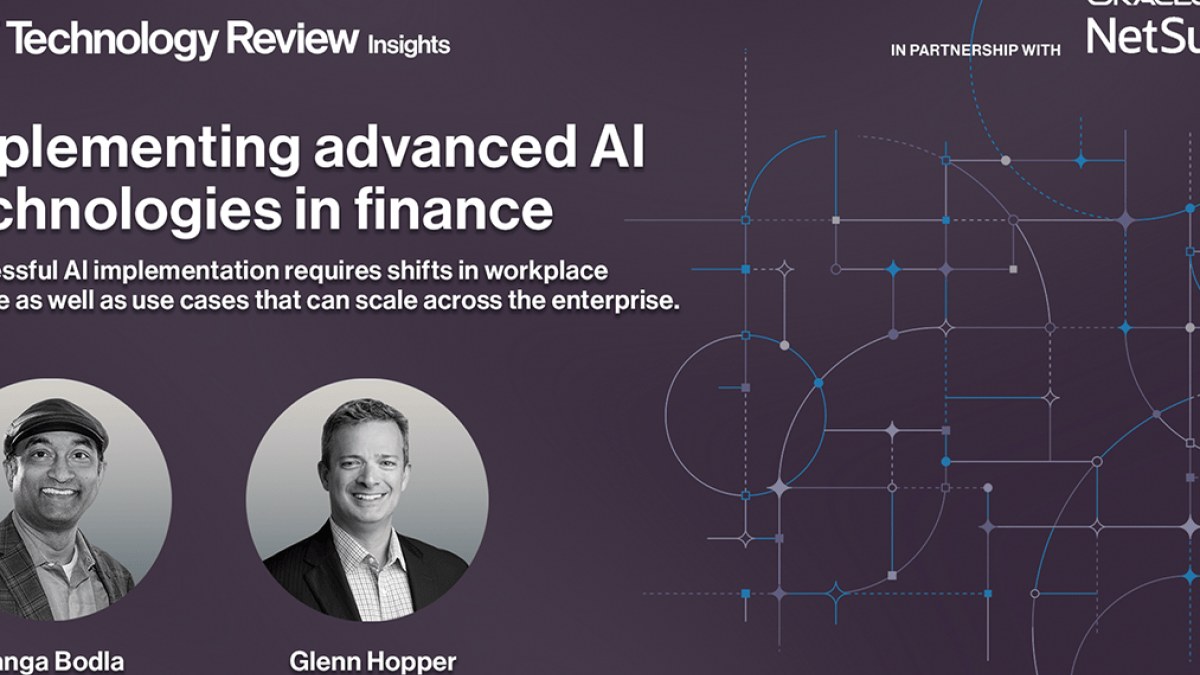
- Key facts & numbers: Glenn Hopper, head of AI and managing director at VAi Consulting, says AI proliferation in finance happened "before governance and before a real plan came about," with employees driving adoption while executives race to impose structure. Oracle NetSuite's Ranga Bodla frames AI as "a means to an end," arguing the technology works best when it disappears into existing processes via embedded systems and integrations like model context protocol (MCP). Ease of integration — not cost savings or new features — has become the strongest driver of AI adoption in finance workflows including variance commentary, fraud detection, contract review, and close narrative drafting.
- What happens next: Sponsored by Oracle NetSuite, so treat the 'integration drives adoption' line as pitch. The governance-lags-adoption paradox is the real takeaway here.
- Glenn Hopper, head of AI and managing director at VAi Consulting, says AI proliferation in finance happened "before governance and before a real plan came about," with employees driving adoption while executives race to impose structure.
- Oracle NetSuite's Ranga Bodla frames AI as "a means to an end," arguing the technology works best when it disappears into existing processes via embedded systems and integrations like model context protocol (MCP).
- Ease of integration — not cost savings or new features — has become the strongest driver of AI adoption in finance workflows including variance commentary, fraud detection, contract review, and close narrative drafting.
- Talent is "the actual root cause" of adoption friction, per Hopper, who points to a widening gap between domain expertise and AI fluency across finance teams.
Why It Matters
For finance leaders, the longer governance lags behind employee-driven AI use, the greater the risk to audit trails, data security, and regulatory compliance in a function built on precision and oversight. Hopper frames the real bottleneck as talent, not technology, meaning governance frameworks alone are insufficient without staff who bridge domain expertise and AI fluency.
Background & Timeline
- Editor context: The informal adoption of AI by employees, rather than a top-down mandate, suggests that the technology's immediate utility and ease of integration are driving its spread more effectively than strategic planning.
Sources Cited
- MIT Technology Review — Implementing advanced AI technologies in finance
Related Coverage
Ask SkimNews