Philly Fed's Paulson signals more rate hikes ahead
The 30-Second Skim
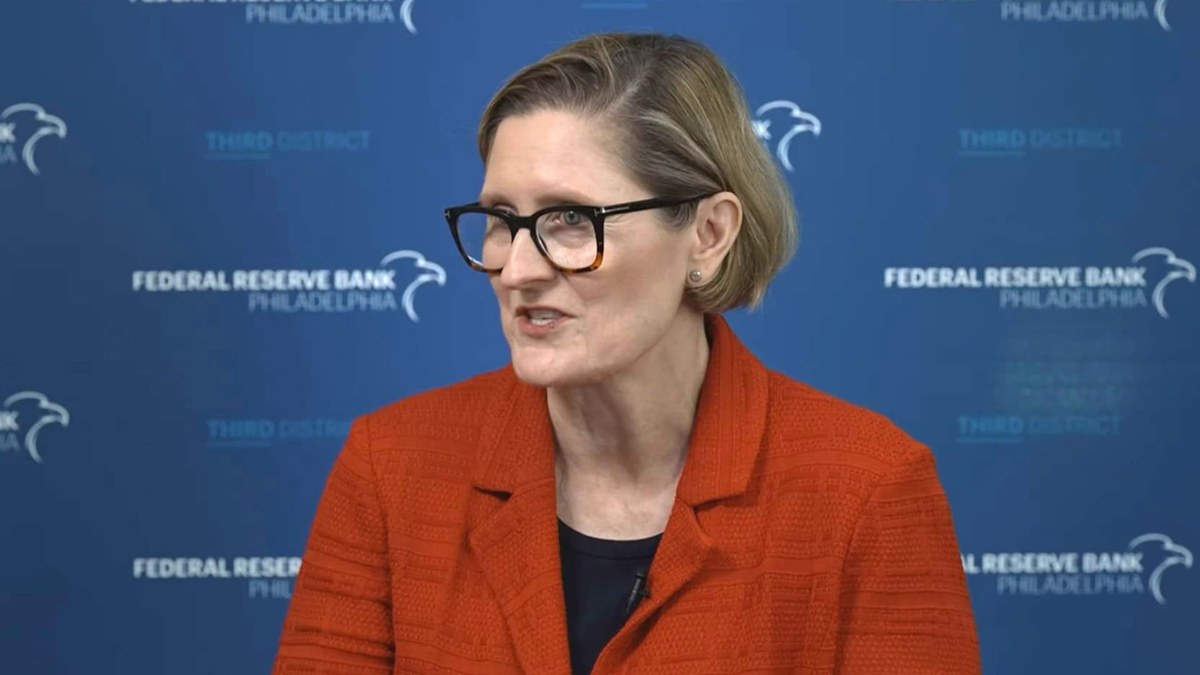
- What happened: Philadelphia Fed President Anna Paulson indicated that additional modest rate hikes may be necessary to curb inflation, which remains above the 2% target despite recent stability in the labor market and economic output.
- Key facts & numbers: Anna Paulson said some 'modest further tightening' of monetary policy may be warranted to return inflation to the Fed's 2% target, citing persistent underlying price pressures around 2.5%-3%. Federal Open Market Committee raised the benchmark interest rate to a target range of 3.75%-4% on September 17, a move Paulson said brings policy closer to what is needed to balance inflation and labor market risks. Underlying inflation has held steady at 2.5%-3% this year, 'well above' the Fed’s target, with Paulson noting it 'hasn’t gotten worse' but also showing little sign of closing the gap.
- What happens next: While headlines say 'modest hikes,' markets are pricing in four more increases—Paulson’s calm tone masks how much higher rates could really go.
- Anna Paulson said some 'modest further tightening' of monetary policy may be warranted to return inflation to the Fed's 2% target, citing persistent underlying price pressures around 2.5%-3%.
- Federal Open Market Committee raised the benchmark interest rate to a target range of 3.75%-4% on September 17, a move Paulson said brings policy closer to what is needed to balance inflation and labor market risks.
- Underlying inflation has held steady at 2.5%-3% this year, 'well above' the Fed’s target, with Paulson noting it 'hasn’t gotten worse' but also showing little sign of closing the gap.
- Longer-duration Treasury yields have reached highs not seen since 2004 as market expectations for further Fed tightening increased, with traders pricing in a 64% chance of another hike in October.
Why It Matters
Markets now expect up to four quarter-point hikes by 2027, pushing implied rates to 4.8%, because Fed officials including Paulson and Williams are signaling ongoing tightening despite solid labor data—making borrowing more expensive than anticipated just months ago.
Sources Cited
Related Coverage
Ask SkimNews