Russia Proposes Bitcoin, Ether, USDT Exchange Trading
The 30-Second Skim
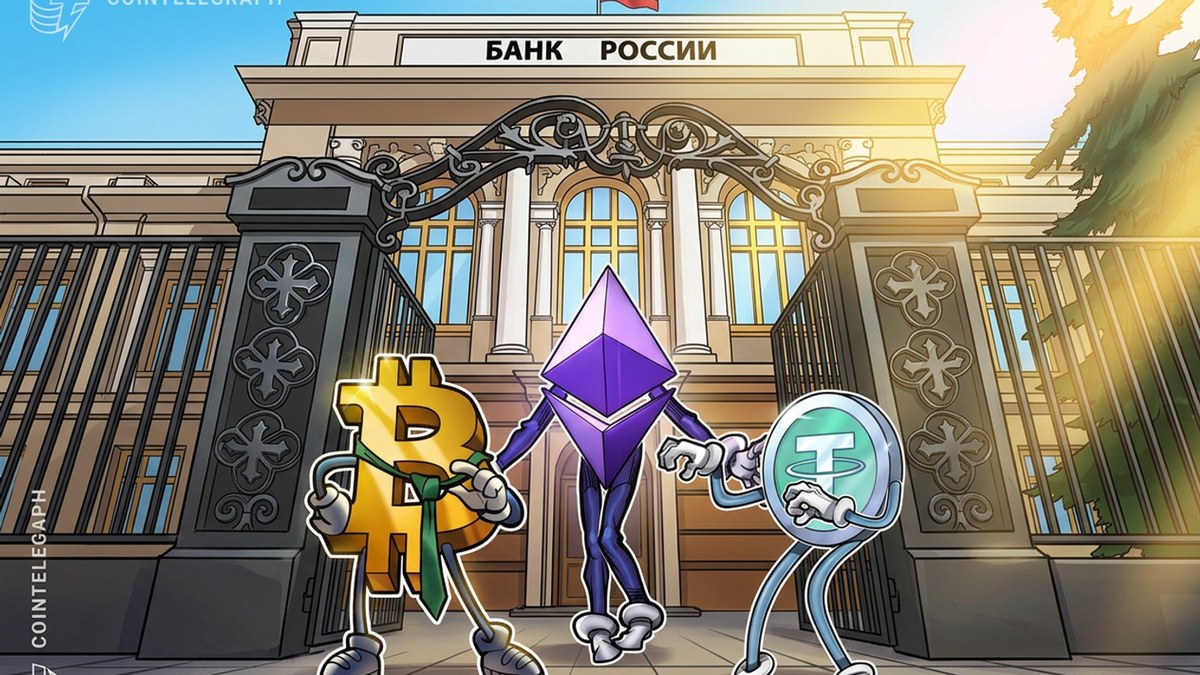
- What happened: Russia's central bank proposed admitting Bitcoin, Ether, and Tether's USDT to regulated exchange trading under a new law signed by President Putin on August 4, with strict caps on retail investor purchases.
- Key facts & numbers: Bank of Russia proposed admitting Bitcoin, Ether, and Tether's USDT to organized exchange trading under criteria including market capitalization, average daily trading volume, and at least five years of price history on overseas markets. President Vladimir Putin signed the underlying law on August 4, granting the Bank of Russia authority to decide which digital currencies can be admitted to organized trading and to set related rules. Non-qualified investors would be capped at 300,000 rubles ($3,650) in crypto purchases per year through each intermediary, including brokers, crypto exchange services, or asset managers.
- What happens next: Retail cap is per intermediary, not per person — so $3,650/broker/year times however many brokers you can open. Qualified investors get zero limits.
- Bank of Russia proposed admitting Bitcoin, Ether, and Tether's USDT to organized exchange trading under criteria including market capitalization, average daily trading volume, and at least five years of price history on overseas markets.
- President Vladimir Putin signed the underlying law on August 4, granting the Bank of Russia authority to decide which digital currencies can be admitted to organized trading and to set related rules.
- Non-qualified investors would be capped at 300,000 rubles ($3,650) in crypto purchases per year through each intermediary, including brokers, crypto exchange services, or asset managers.
- Qualified investors would face no purchase limits for crypto assets traded on exchanges or over-the-counter markets under the proposal.
Why It Matters
Non-qualified Russian investors gain a legal but tightly capped pathway — 300,000 rubles ($3,650) per year per intermediary — to buy Bitcoin, Ether, and USDT on regulated venues, while qualified investors face no limits. By mandating an investor risk test and per-intermediary caps, the Bank of Russia is formalizing supervised crypto access designed to wall off retail users from volatility.
Sources Cited
Related Coverage
Ask SkimNews