US 30-Year Yield Hits 5.24%, Pressures Indian Bonds
The 30-Second Skim
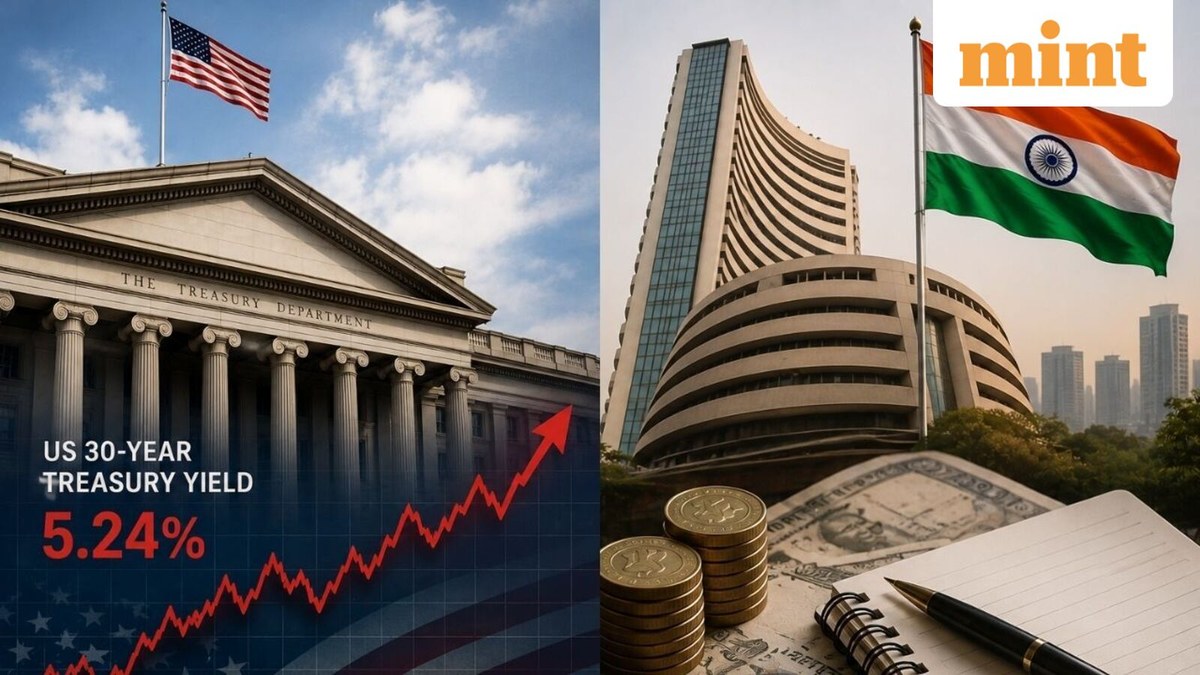
- What happened: The 30-year US Treasury yield climbed to about 5.24% this week, with the August 13 auction posting the highest 30-year yield since 2001, as the US Treasury's doubled bond buybacks failed to hold long-term costs down.
- Key facts & numbers: The 30-year US Treasury yield reached around 5.24% this week, rising from roughly 4.9% at the end of June to 5.06% at the July auction, with the August 13 auction drawing a 5.22% demand yield—the highest at a 30-year Treasury auction since August 2001. The US Treasury at least doubled the size of its bond buybacks from $2 billion to at least $4 billion per operation to ease long-term borrowing costs, but yields reversed course the following day, climbing 0.06 percentage points back to 5.24%. US government debt has reached about $40 trillion, with fiscal deficits persisting at around 6% of GDP and rising interest payments adding to the government's borrowing burden—factors the buyback could not offset.
- What happens next: Treasury doubled buybacks to $4B and still couldn't budge yields. Against $40T of debt, $4B is a rounding error with a press release.
- The 30-year US Treasury yield reached around 5.24% this week, rising from roughly 4.9% at the end of June to 5.06% at the July auction, with the August 13 auction drawing a 5.22% demand yield—the highest at a 30-year Treasury auction since August 2001.
- The US Treasury at least doubled the size of its bond buybacks from $2 billion to at least $4 billion per operation to ease long-term borrowing costs, but yields reversed course the following day, climbing 0.06 percentage points back to 5.24%.
- US government debt has reached about $40 trillion, with fiscal deficits persisting at around 6% of GDP and rising interest payments adding to the government's borrowing burden—factors the buyback could not offset.
- US inflation stood at 3.4% in July, above the Federal Reserve's 2% target, contributing to investor demand for higher returns on long-dated government debt.
Why It Matters
For Indian investors and borrowers, a 30-year US Treasury yield above 5.24% resets the global cost-of-money benchmark: Indian debt must now offer a bigger premium to compete for foreign capital, pushing Indian bond yields higher and eroding prices on existing long-duration holdings. Indian corporates and banks, which already borrow above the US Treasury rate, face a higher hurdle on every new issuance while the failed $4 billion buyback signals that US fiscal pressures—$40 trillion in debt, 6% deficits—are the real driver, not market liquidity.
Sources Cited
Related Coverage
- 30-Year Treasury Tops 5.33% as Iran Stalemate Lifts Bond YieldsGoogle News Business
- 30-Year Treasury Yield Hits 5.311%, 19-Year HighCNBC
- US Bond Selloff Drives 30-Year Yields to Highest Since 2007Google News Business
- US 30-year yields hit highest level since 2007 as war, oil worries festerGoogle News Business
Ask SkimNews