12 Ships Attacked in Week as US, Iran Spar Over Hormuz
The 30-Second Skim
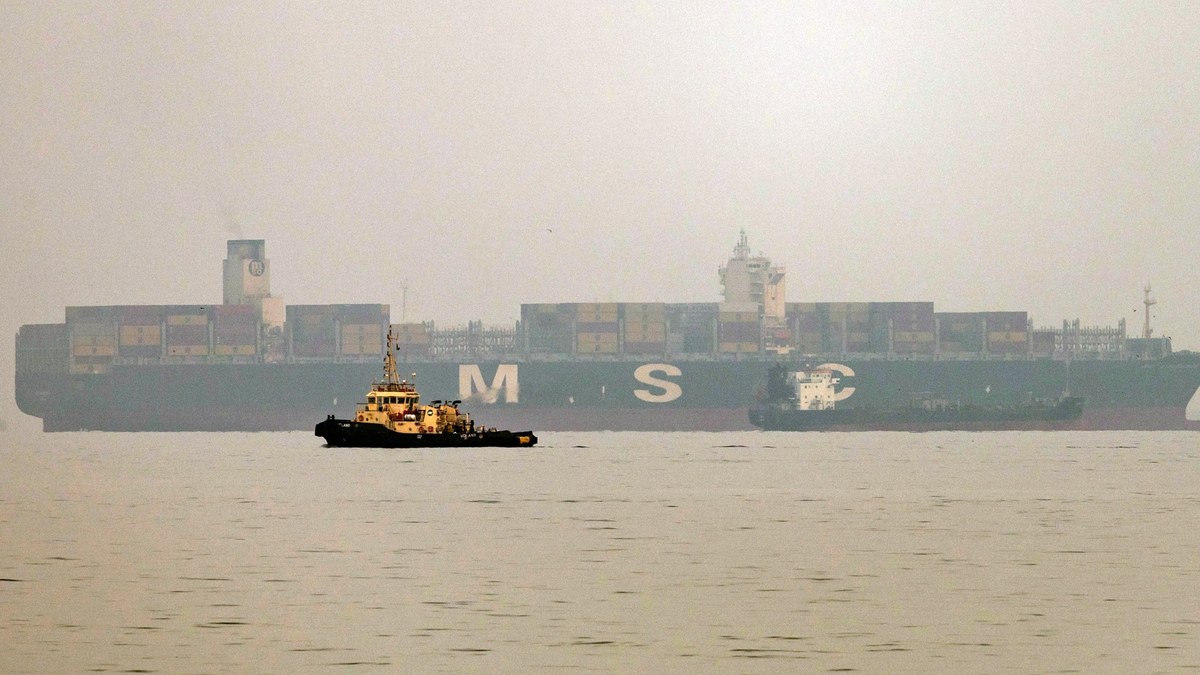
- What happened: The US and Iran traded competing claims of control over the Strait of Hormuz as vessel attacks reached the highest monthly pace since the war began, oil prices climbed past $110, and Trump readied military options after midterm elections.
- Key facts & numbers: UKMTO confirmed at least 12 ships were attacked in the week ending October 16, though it warned that 'the majority of vessels attacked' declined to report incidents, suggesting the true count is higher. CENTCOM chief Brad Cooper asserted US dominance, claiming 400 ships and 100 million barrels of oil transited Hormuz last week and pinning the spike in attacks on IRGC 'desperation.' Iran's IRGC claimed a supertanker carrying over 2 million barrels of crude caught fire after striking a mine in an 'unauthorised' route; CENTCOM countered that it had cleared the strait of mines and blamed projectiles.
- What happens next: Everyone claims they're winning. UKMTO quietly admits it can't even count the attacks — vessels keep refusing to report them, so the real damage is bigger than any headline.
- UKMTO confirmed at least 12 ships were attacked in the week ending October 16, though it warned that 'the majority of vessels attacked' declined to report incidents, suggesting the true count is higher.
- CENTCOM chief Brad Cooper asserted US dominance, claiming 400 ships and 100 million barrels of oil transited Hormuz last week and pinning the spike in attacks on IRGC 'desperation.'
- Iran's IRGC claimed a supertanker carrying over 2 million barrels of crude caught fire after striking a mine in an 'unauthorised' route; CENTCOM countered that it had cleared the strait of mines and blamed projectiles.
- Oil flows through Hormuz averaged 11.6 million barrels per day in the seven days to October 13 — roughly 68% of the 17.1 million bpd pre-war baseline — while Brent crude touched $110 a barrel for the first time since May.
Why It Matters
Hormuz normally moves roughly a fifth of global oil and gas flows, yet transits have collapsed to about 68% of pre-war levels while attacks accelerate — and the US is explicitly holding major strikes until after the November 3 midterms, meaning weeks of continued disruption to energy markets that are already paying $110 Brent.
Sources Cited
Related Coverage
- Iran hits ships near Hormuz in retaliation for U.S. attacks on tankersGlobe and Mail World
- Iran's Worst Hormuz Ship Attacks Since War BeganGoogle News World
- Hormuz Traffic Steady at 8 Vessels as Iran Denies Trump Talks ClaimGoogle News World
- Iran says seven ships hit in Hormuz Strait, warns US of wider responseAl Jazeera
Ask SkimNews