Arakan Army Moves Border Villages After ARSA Attacks
The 30-Second Skim
- What happened: The Arakan Army is formalizing a security-driven relocation of selected villages along the Bangladesh-Myanmar border in Rakhine State as fighting and ARSA attacks strain its control, with Mro and other non-Rohingya residents already moving.
- Key facts & numbers: Arakan Army is fine-tuning a plan to move residents of remote Bangladesh-border villages in Maungdaw to road- and river-connected areas of Rakhine State for better security, Twan Mrat Naing said on March 2; no deadline was provided. Aung Hlaing said residents of four villages totaling about 1,000 people had already shifted to safer areas of Maungdaw, while Kaing Htauk said 85 households from Pyar Re and Kyauk Lone had begun building new homes farther inland. Arakan Rohingya Salvation Army mounted intermittent attacks on the AA and non-Rohingya villages, including the November 12 abduction and killing of three people in Kone Chaung; residents also cited ARSA threats and six farmers disappearing near pillar 52.
- What happens next: The buried detail: about 1,000 people have already shifted, and the AA’s security plan leaves them poorer while military aerial attacks persist.
- Arakan Army is fine-tuning a plan to move residents of remote Bangladesh-border villages in Maungdaw to road- and river-connected areas of Rakhine State for better security, Twan Mrat Naing said on March 2; no deadline was provided.
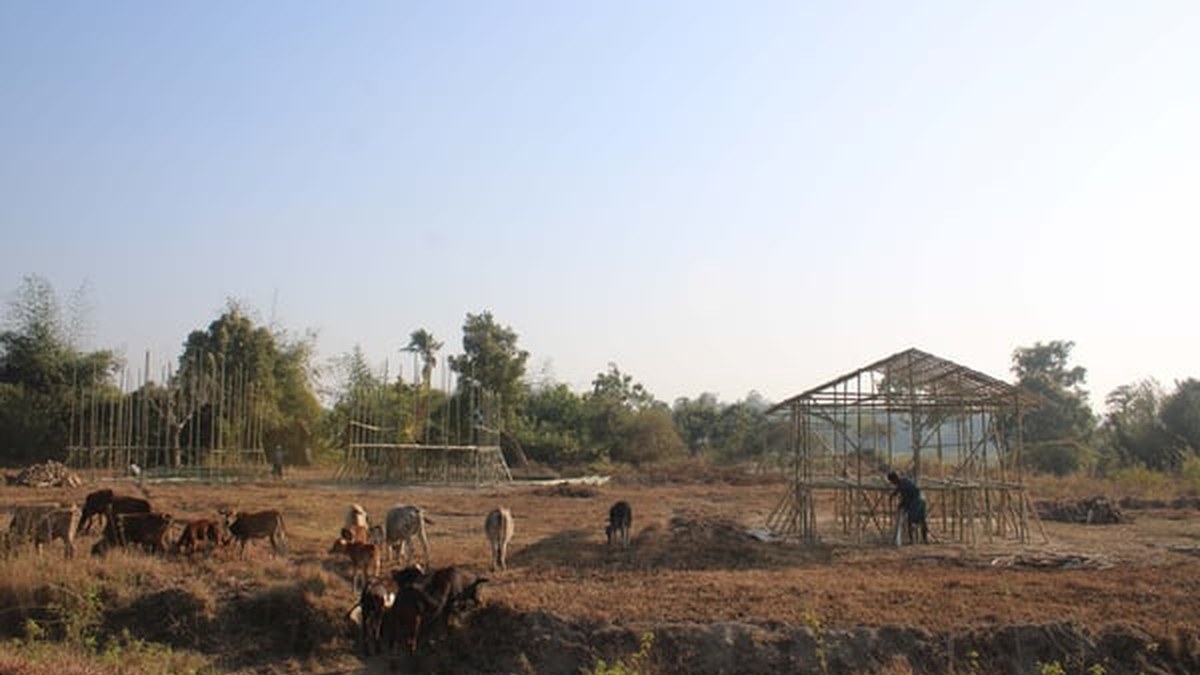
- Aung Hlaing said residents of four villages totaling about 1,000 people had already shifted to safer areas of Maungdaw, while Kaing Htauk said 85 households from Pyar Re and Kyauk Lone had begun building new homes farther inland.
- Arakan Rohingya Salvation Army mounted intermittent attacks on the AA and non-Rohingya villages, including the November 12 abduction and killing of three people in Kone Chaung; residents also cited ARSA threats and six farmers disappearing near pillar 52.
- United League of Arakan identified about 20 villages between border pillars 50 and 57 as the most vulnerable to ARSA attacks, most inhabited by Mro and Rakhine Buddhist communities, while the AA cited alleged ties between ARSA and some non-Rohingya villages.
Why It Matters
For the roughly 1,000 residents of four border villages who have already moved, the AA’s security measure brings a second-order cost: livelihoods built around shifting cultivation and cross-border trade have given way to daily wages or food-crop farming, while poverty and military aerial attacks persist.
Sources Cited
Related Coverage
Ask SkimNews