ASEAN Demands 'Immediate Cessation' of US-Iran Hostilities
The 30-Second Skim
- What happened: ASEAN foreign ministers urged an immediate end to renewed US-Iran hostilities and free navigation through the Strait of Hormuz, warning of damage to regional trade, energy and food security, while Secretary of State Marco Rubio warned the bloc that Iran's push to toll the strait would set a dangerous global precedent.
- Key facts & numbers: ASEAN foreign ministers called for a "complete and immediate cessation of hostilities" across all Middle East fronts at the 59th ASEAN Foreign Ministers' Meeting in Manila on Tuesday, while demanding restoration of "safe, unimpeded" transit through the Strait of Hormuz. The US-Iran ceasefire, initially agreed in April and formalized in June, collapsed earlier this month after both sides accused the other of reneging; the US has resumed air strikes on Iran while Iran has struck shipping and regional targets, including an attack that killed three US military personnel in Jordan. Secretary of State Marco Rubio told ASEAN and regional leaders that Iran's demand to control and collect tolls in the Strait of Hormuz would create a "very dangerous precedent" that "will repeat itself in other parts of the world, including in this region," according to the source.
- What happens next: ASEAN's March statement named the US and Israel as the attackers. This one doesn't. That silence is the story.
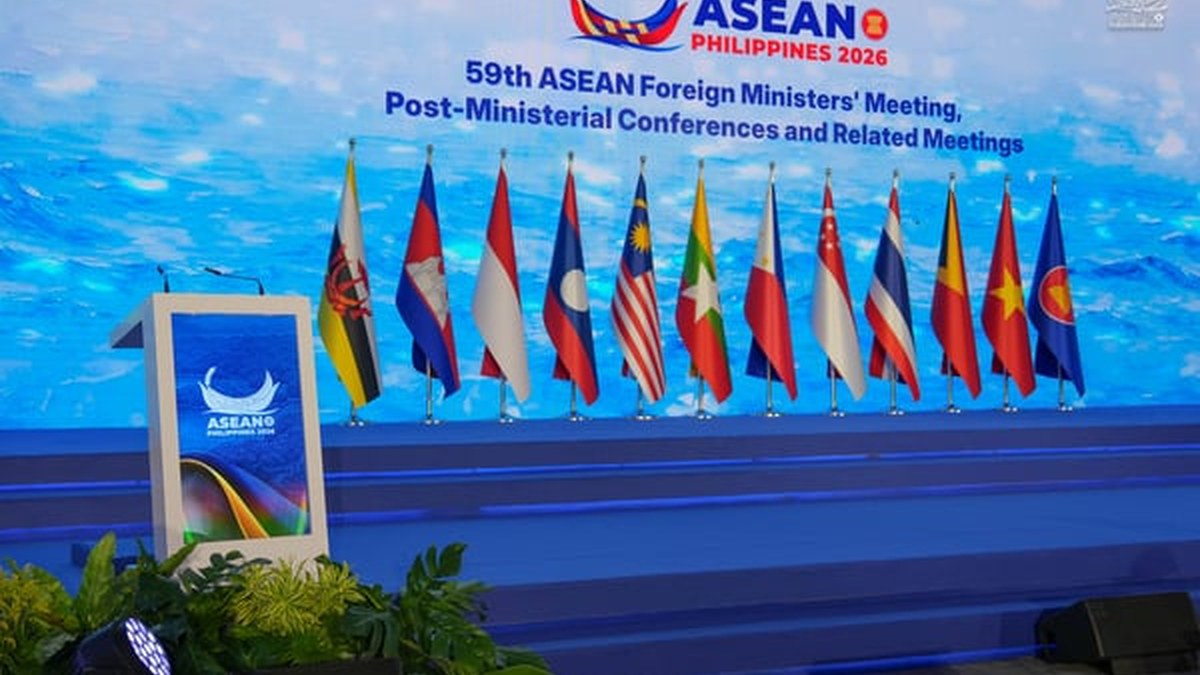
- ASEAN foreign ministers called for a "complete and immediate cessation of hostilities" across all Middle East fronts at the 59th ASEAN Foreign Ministers' Meeting in Manila on Tuesday, while demanding restoration of "safe, unimpeded" transit through the Strait of Hormuz.
- The US-Iran ceasefire, initially agreed in April and formalized in June, collapsed earlier this month after both sides accused the other of reneging; the US has resumed air strikes on Iran while Iran has struck shipping and regional targets, including an attack that killed three US military personnel in Jordan.
- Secretary of State Marco Rubio told ASEAN and regional leaders that Iran's demand to control and collect tolls in the Strait of Hormuz would create a "very dangerous precedent" that "will repeat itself in other parts of the world, including in this region," according to the source.
- ASEAN's latest statement notably omitted its March 4 reference to the war resulting from "attacks initiated by Israel and the United States," a shift the source suggests indicates the bloc now apportions equal responsibility to Iran for the ceasefire breakdown.
Why It Matters
Southeast Asian governments, already disrupted by the first phase of the war when Iran blockaded the Strait of Hormuz and spiked oil prices, now face a renewed and possibly prolonged spell of economic turmoil with no diplomatic end in sight. ASEAN's quiet removal of its earlier attribution to the US and Israel suggests the bloc is hedging toward neutrality to keep negotiating leverage with both sides intact.
Sources Cited
Related Coverage
- ASEAN urges US, Iran to negotiate peace, open HormuzStraits Times Asia
- ASEAN Foreign Ministers Convene Meeting Under the Shadow of Iran War, Regional CrisesThe Diplomat
- ASEAN Urges Halt to Iran War Over Economic RisksThe Diplomat
- ASEAN demands Middle East ceasefire, South China Sea pactIndia Today World
Ask SkimNews