ASEAN Leaders Push Oil‑Sharing Pact Amid Iran War
The 30-Second Skim
- What happened: Amid Iran’s maritime pressure, Israel’s ongoing hostilities, and China’s assertive drills, ASEAN leaders in Cebu pivoted to collective energy security. They unveiled an oil‑sharing pact and a regional power‑grid plan to cushion Southeast Asia from the Middle‑East oil shock.
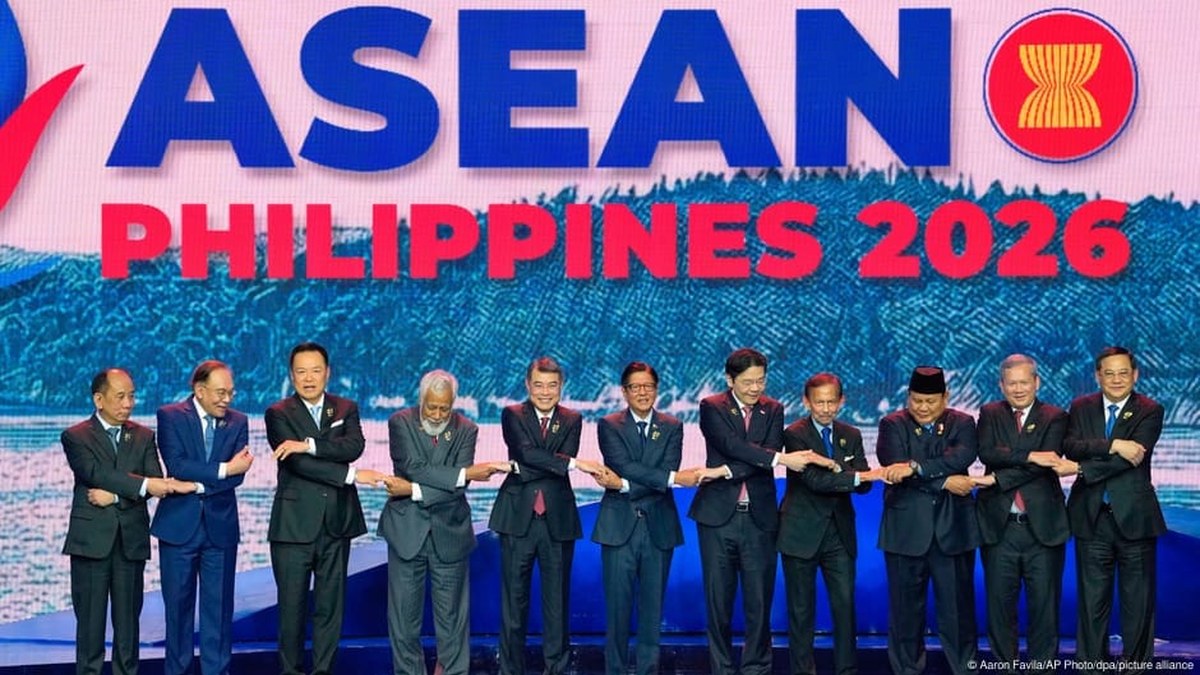
- Key facts & numbers: ASEAN leaders convened in Cebu, Philippines, to coordinate responses to the disruptions caused by the US‑Israeli war with Iran. Marcos Jr. urged a collective approach, pushing for an ASEAN‑wide oil‑sharing pact and a regional power‑grid plan to diversify energy sources. Draft joint declaration outlines emergency fuel sharing, EV expansion, renewable growth, and civilian nuclear options to bolster energy resilience.
- What happens next: Cebu’s ASEAN summit is basically a regional lifeline, bundling oil‑sharing and power‑grid plans to dodge the Middle‑East oil shock.
- ASEAN leaders convened in Cebu, Philippines, to coordinate responses to the disruptions caused by the US‑Israeli war with Iran.
- Marcos Jr. urged a collective approach, pushing for an ASEAN‑wide oil‑sharing pact and a regional power‑grid plan to diversify energy sources.
- Draft joint declaration outlines emergency fuel sharing, EV expansion, renewable growth, and civilian nuclear options to bolster energy resilience.
- ASEAN economic ministers identified concrete steps to secure food and energy supplies, though specifics were not disclosed.
Why It Matters
Southeast Asian nations secure stable fuel supplies and lower transport costs, while the oil‑sharing pact shields vulnerable economies from volatile oil prices, preserving tourism revenues and food‑price stability.
Background & Timeline
- Editor context: Regional economic integration, often driven by shared development goals, can also be a strategic response to external geopolitical instability, creating internal resilience through collective resource management.
Sources Cited
Related Coverage
Ask SkimNews