ASEAN Summit Confronts Energy Crisis and US-China Tensions
The 30-Second Skim
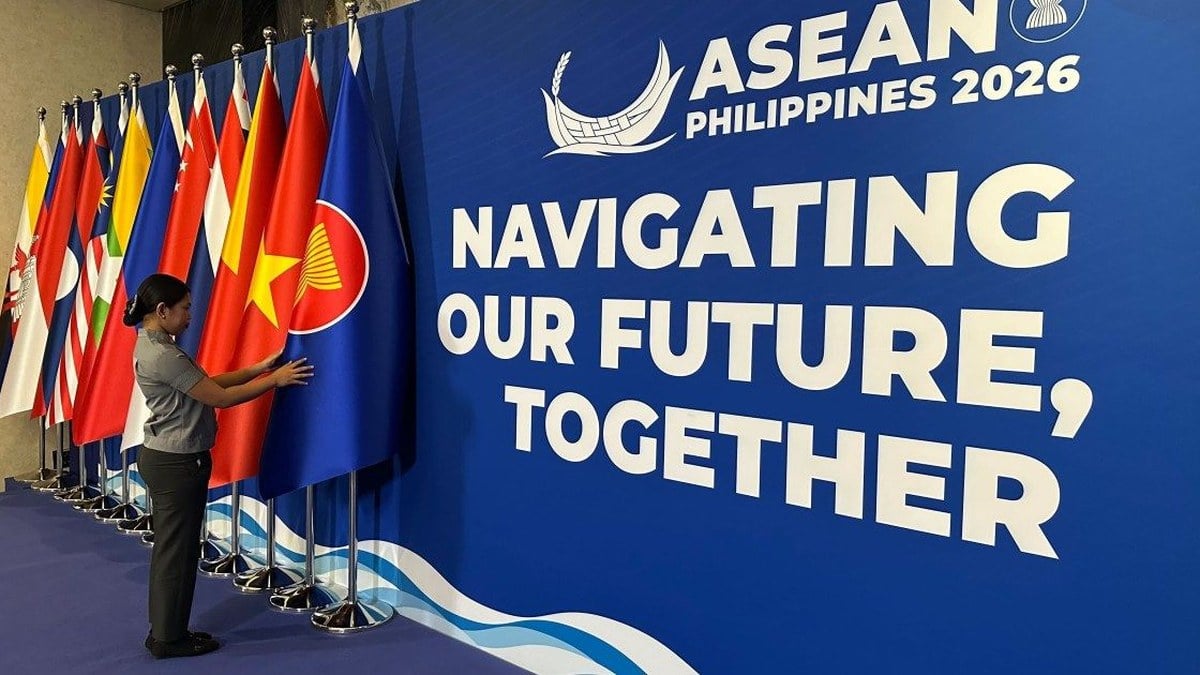
- What happened: The 49th ASEAN summit opened on November 15, 2026, in Manila, bringing together leaders from 11 member states and global figures including US President Donald Trump and India’s Narendra Modi. The summit focuses on energy security, regional conflicts, and economic resilience amid global geopolitical strain.
- Key facts & numbers: The ASEAN bloc represents 694 million people and includes nations like Indonesia, Vietnam, and the Philippines. Since March 2026, the Philippines has been under a national energy emergency due to oil shortages linked to the US-Israel war on Iran.
- What happens next: A final round of South China Sea code of conduct talks concluded in October 2026, but analysts expect no breakthrough at the summit, with negotiations likely extending into 2027.
Why It Matters
The summit’s outcome could reshape ASEAN’s strategic autonomy as energy shortages and US-China trade pressures force members to diversify supply chains and strengthen regional cooperation. Persistent instability in Myanmar and transboundary haze from Indonesia threaten economic integration and public health across the bloc.
Global markets are watching for shifts in ASEAN’s trade alignment, especially if Trump’s tariff policies push the bloc toward deeper ties with India, Brazil, or Russia. Failure to resolve the South China Sea code may embolden China’s maritime claims, affecting shipping lanes that carry over $3 trillion in trade annually.
How Outlets Are Framing It
- [Al Jazeera / Geopolitical Impact]: Focuses on humanitarian and energy fallout from the US-Israel war on Iran, emphasizing ASEAN’s vulnerability to Middle Eastern conflicts and migrant worker safety.
- [Japan Today / Regional Stability]: Highlights ASEAN unity challenges, stressing risks to the Strait of Malacca and internal divisions over China’s South China Sea actions.
- [Asia Times / US Relations]: Centers on Trump’s diplomatic role, analyzing how his summit engagement reflects broader US strategy to counter China in Southeast Asia.
Background & Timeline
Sources Cited
Related Coverage
Ask SkimNews