Carney Courts China, India as Trump Disrupts Alliances
The 30-Second Skim
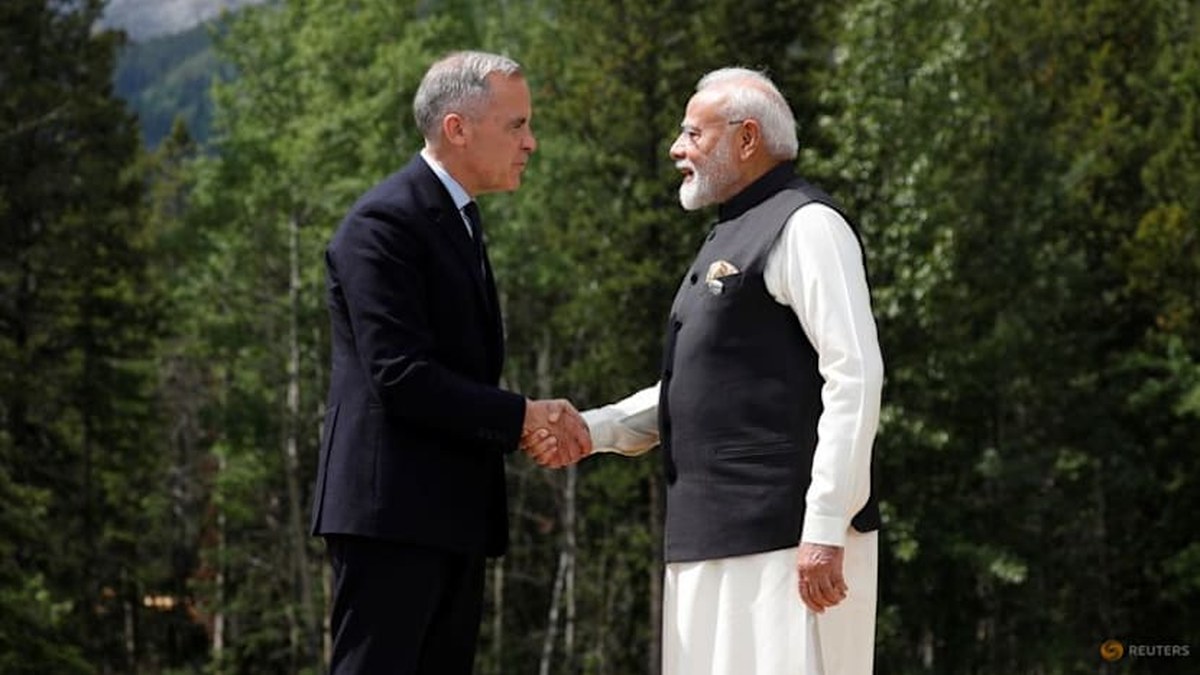
- What happened: Canadian PM Mark Carney's recent visits to China and India produced dozens of bilateral agreements, but the real story is Ottawa's intent to pursue a more independent foreign policy as Trump's disruption of traditional alliances forces middle powers to fend for themselves.
- Key facts & numbers: Mark Carney concluded visits to China and India with a flurry of agreements — 21 with China spanning clean energy to agriculture, and deals with India on supply chains for clean energy, electric vehicles, and advanced manufacturing, with both sides agreeing to accelerate a Comprehensive Economic Partnership Agreement to double bilateral trade. The trips represent a strategic move to step out of the shadow of the United States, driven by Trump's upending of long-held alliance assumptions, his claims on Canada and Greenland, and his ongoing tariff policy including new trade probes targeting key trading partners. Calling the visits a "reset" overstates the case — unresolved Khalistan tensions persist, including the 2023 dispute in which then-PM Justin Trudeau accused Indian government agents of involvement in the killing of Canadian Sikh activist Hardeep Singh Nijjar in British Columbia, a charge India strongly denied.
- What happens next: Buried caveat: even the analyst quotes concede this isn't really a "reset" — Khalistan and Meng Wanzhou are being deliberately left in the background, not resolved.
- Mark Carney concluded visits to China and India with a flurry of agreements — 21 with China spanning clean energy to agriculture, and deals with India on supply chains for clean energy, electric vehicles, and advanced manufacturing, with both sides agreeing to accelerate a Comprehensive Economic Partnership Agreement to double bilateral trade.
- The trips represent a strategic move to step out of the shadow of the United States, driven by Trump's upending of long-held alliance assumptions, his claims on Canada and Greenland, and his ongoing tariff policy including new trade probes targeting key trading partners.
- Calling the visits a "reset" overstates the case — unresolved Khalistan tensions persist, including the 2023 dispute in which then-PM Justin Trudeau accused Indian government agents of involvement in the killing of Canadian Sikh activist Hardeep Singh Nijjar in British Columbia, a charge India strongly denied.
- Ties with Beijing carry their own baggage: the 2018 detention of Huawei CFO Meng Wanzhou in Canada at the US's request infuriated China, and 2024 trade disputes saw both sides impose tariffs on one another.
Why It Matters
For Canada, the practical test is whether new frameworks with India and China can hold up despite unresolved irritants — Khalistan advocacy at home and the Meng Wanzhou legacy with Beijing. For the broader middle-power bloc, Carney's pivot validates a strategy that India, Japan, South Korea, and Australia have already been pursuing, even as Trump's tariff probes and a third-week war in Iran deepen the pressure to diversify away from Washington.
Sources Cited
Related Coverage
Ask SkimNews