China normalizes naval presence near Japan after 2025 Takaichi remark
The 30-Second Skim
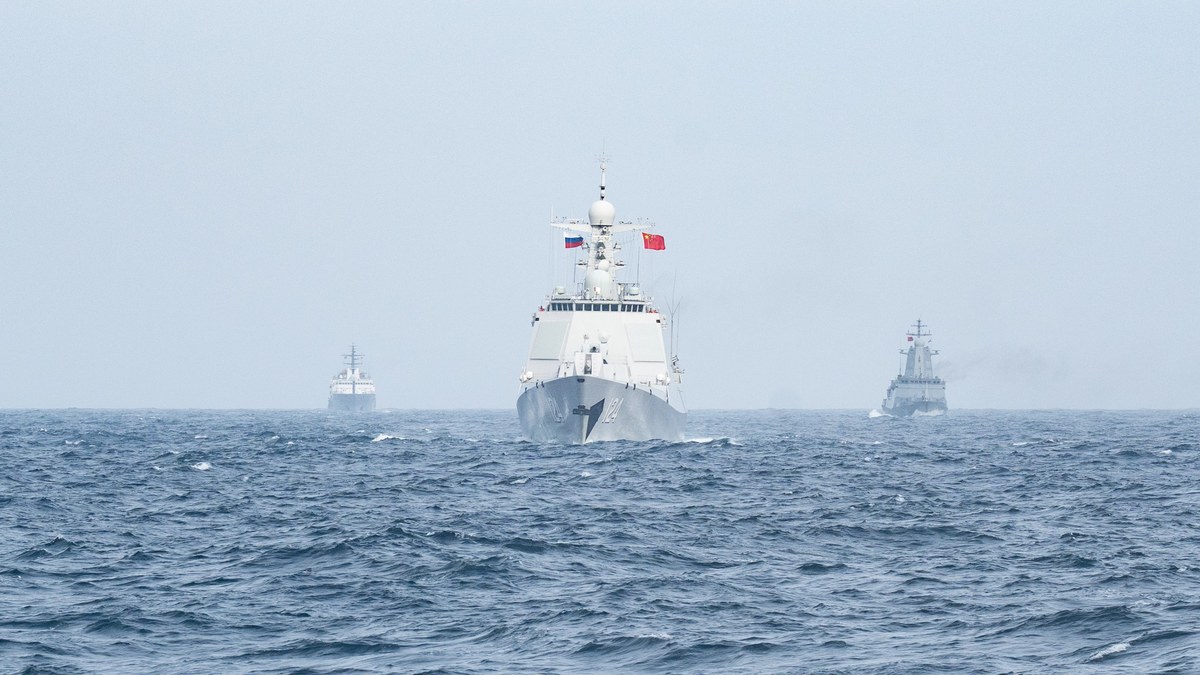
- What happened: China has significantly increased naval activity near Japan’s southwestern islands since a 2025 political dispute, normalizing its military presence in the region without violating international law.
- Key facts & numbers: China deployed over 100 military-linked vessels near Taiwan in early November, with analysts noting the flotilla's scale suggests a strategic focus on Japan. Sanae Takaichi stated in November 2025 that a Chinese blockade of Taiwan could constitute a 'survival-threatening situation' for Japan, triggering a sustained increase in Chinese naval operations near Japanese waters. PLA Navy has conducted live-fire drills, uncrewed drone missions, and full aircraft carrier group voyages around Japan’s southwestern islands, gradually normalizing its presence within the first island chain.
- What happens next: China isn’t invading — it’s sailing. The real story: daily patrols are becoming the new normal, and Japan’s response is a $508B bet that deterrence can be bought.
- China deployed over 100 military-linked vessels near Taiwan in early November, with analysts noting the flotilla's scale suggests a strategic focus on Japan.
- Sanae Takaichi stated in November 2025 that a Chinese blockade of Taiwan could constitute a 'survival-threatening situation' for Japan, triggering a sustained increase in Chinese naval operations near Japanese waters.
- PLA Navy has conducted live-fire drills, uncrewed drone missions, and full aircraft carrier group voyages around Japan’s southwestern islands, gradually normalizing its presence within the first island chain.
- Center for Strategic and International Studies logged over 20 notable PLA escalatory moves in the seven weeks following Takaichi’s statement, despite only a slight annual increase in vessel counts.
Why It Matters
China’s sustained naval pressure near Japan consolidates de facto control over key maritime zones without crossing legal thresholds, forcing Tokyo to accelerate a historic defense buildup. The 37 trillion yen funding gap between current and proposed spending underscores the material strain on Japan’s fiscal and strategic posture.
Sources Cited
Related Coverage
Ask SkimNews