China's Strategic Pause Amid Shifting US Ties
The 30-Second Skim
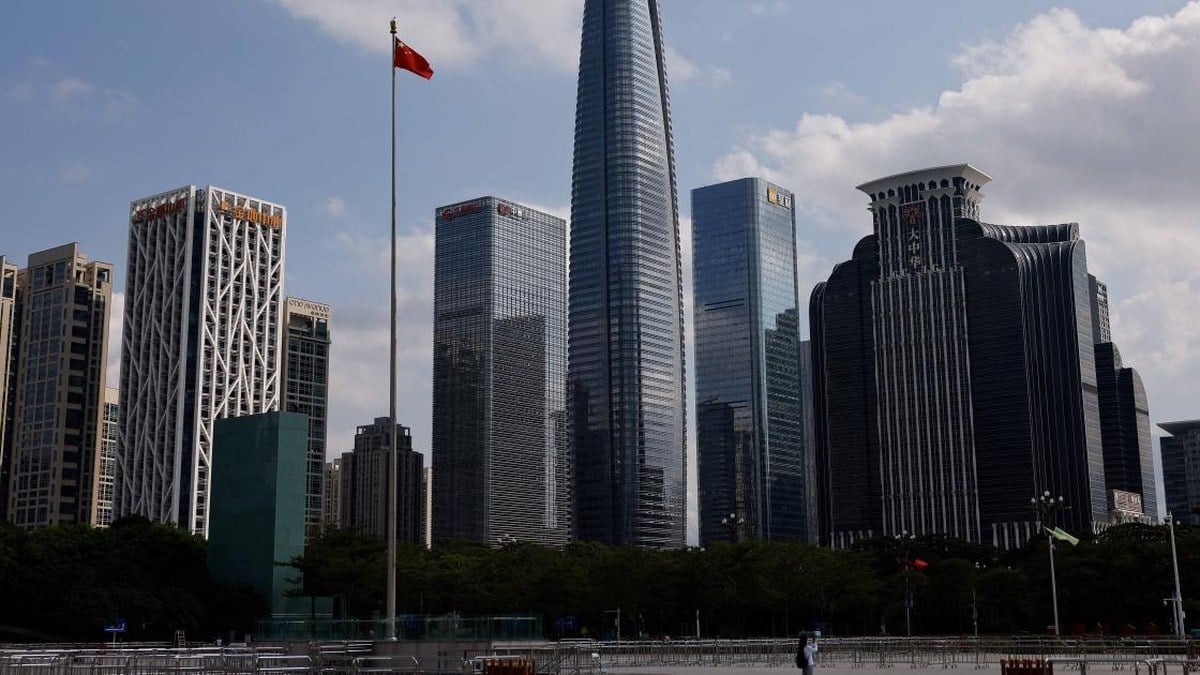
- What happened: President Donald Trump and Chinese leader Xi Jinping are set to meet in Shenzhen for their fourth summit, following a fragile détente forged after the 2025 Busan truce. Despite surface-level cooperation, tensions are resurfacing over unmet trade terms and strategic overreach.
- Key facts & numbers: The U.S. has maintained tariffs at 12.5%, below the 20% ceiling agreed in Busan, and paused adding Chinese firms to the Entity List since 2025—the longest such break since 2008. Beijing restricted rare-earth exports in April 2025 and has tightened magnet supplies despite commitments to resume normal flows.
- What happens next: The Busan agreement expires in January 2027, with no summits planned beyond December’s Miami meeting. A Democratic Congress may challenge Trump’s conciliatory stance, while U.S. scrutiny of AI chip exports could trigger new tensions.
Why It Matters
The unraveling of the Busan truce could disrupt global supply chains, especially in tech and defense, as rare earths and magnets are critical for semiconductors and military hardware. Escalation risks rise if the U.S. reinstates export controls or Congress blocks Trump’s leniency.
China’s belief in a temporary pause may lead to overconfidence, especially on Taiwan or trade. If Washington perceives Beijing as violating agreements, a sudden policy reversal—spurred by espionage concerns or AI chip scandals—could trigger a swift, destabilizing response.
How Outlets Are Framing It
- [Foreign Affairs / Geopolitical Strategy]: Focuses on China’s tactical use of détente to build leverage, framing the pause as a prelude to future confrontation shaped by Trump’s personal diplomacy.
- [ECPR / Perception & Misperception]: Highlights mutual misreadings—Beijing sees strength where the West sees instability, and Trump’s gestures are misinterpreted as weakness or alliance erosion.
- [Regional Security Lens]: Warns that reduced U.S. support for Taiwan and allies like the Philippines emboldens Chinese coercion, risking miscalculation in flashpoints like the South China Sea.
Background & Timeline
Sources Cited
- Foreign Affairs — Is China Misreading the Moment?
- European Consortium for Political Research (ECPR) — Lost in translation: why the West keeps misreading China
Related Coverage
- Trump-Xi Detente Tested by AI Chip Curbs After APECChannel News Asia
- Trump and Xi Extend Trade Truce Amid Tariff TensionsStraits Times Asia
- China Boosts Pressure Toolkit Under Trump TruceStraits Times Asia
- The US-China trade war seems to have subsided – but the sense of calm is misleadingThe Guardian World
Ask SkimNews