Delhi Protests Defy Modi's Citywide Crackdown
The 30-Second Skim
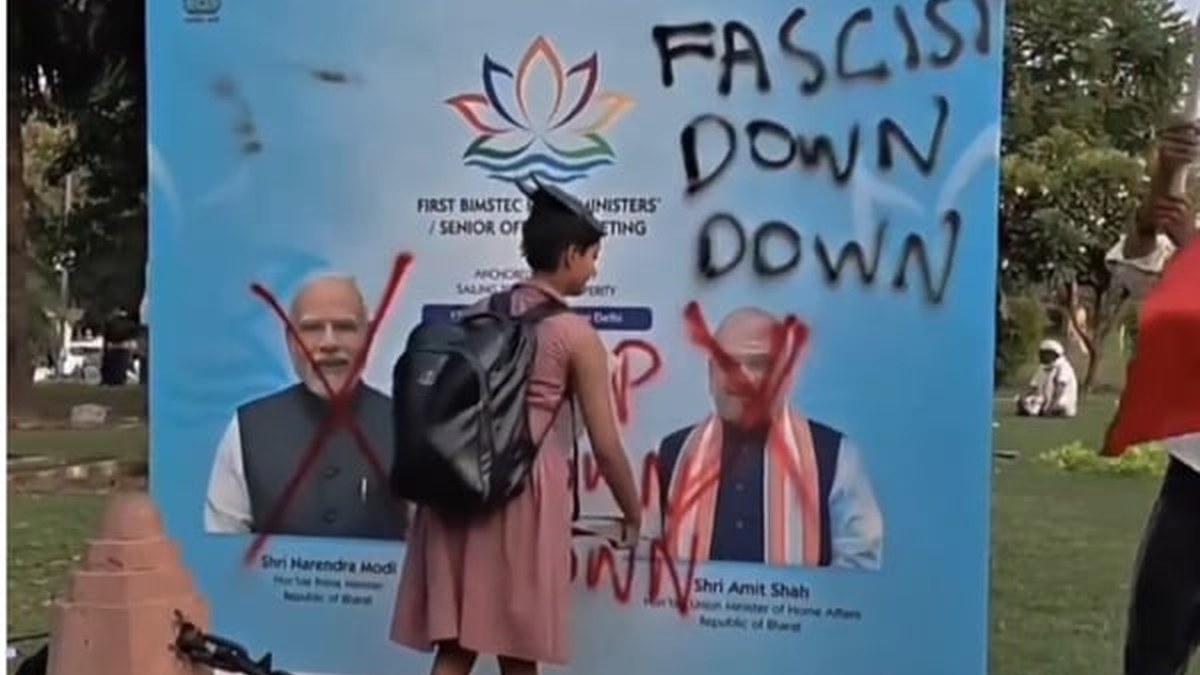
- What happened: Tens of thousands marched in Delhi demanding the resignation of Chief Election Commissioner Gyanesh Kumar, even as the Modi government deployed an estimated 30,000 security personnel, suspended trains, and raided hotels to prevent the protests.
- Key facts & numbers: Rahul Gandhi led an opposition delegation march to the Supreme Court on October 12 seeking judicial intervention in the election commission's integrity crisis, after Chief Justice Surya Kant declined to meet the group citing separation of powers concerns. Chief Election Commissioner Gyanesh Kumar, the first CEC appointed under a new law allowing the government to directly pick an election commissioner, faces mass resignation demands tied to a Special Intensive Revision of electoral rolls that has left millions at risk of disenfranchisement. The Modi government deployed an estimated 30,000 police and paramilitary personnel, banned assemblies of five or more persons, suspended or diverted dozens of Delhi-bound trains, closed metro station gates from Friday night, and raided hotels and political offices to prevent the October 10 Cockroach Janta Party (CJP) protest at Jantar Mantar.
- What happens next: The Modi government shut down an entire capital city to stop one protest — and thousands still showed up anyway. The Supreme Court just told them to undo it.
- Rahul Gandhi led an opposition delegation march to the Supreme Court on October 12 seeking judicial intervention in the election commission's integrity crisis, after Chief Justice Surya Kant declined to meet the group citing separation of powers concerns.
- Chief Election Commissioner Gyanesh Kumar, the first CEC appointed under a new law allowing the government to directly pick an election commissioner, faces mass resignation demands tied to a Special Intensive Revision of electoral rolls that has left millions at risk of disenfranchisement.
- The Modi government deployed an estimated 30,000 police and paramilitary personnel, banned assemblies of five or more persons, suspended or diverted dozens of Delhi-bound trains, closed metro station gates from Friday night, and raided hotels and political offices to prevent the October 10 Cockroach Janta Party (CJP) protest at Jantar Mantar.
- Despite the citywide siege, thousands of protesters took to Delhi's streets Saturday; thousands were detained, including lawyers, journalists, legislators, and four former state chief ministers from opposition parties, with reports of indiscriminate police brutality.
Why It Matters
With nearly all opposition parties — including traditional rivals — uniting behind the CEC resignation demand and the Supreme Court ordering the government to restore transit and internet services, the Modi government faces a binding coordination problem: conceding Kumar could embolden further opposition demands, while continued crackdown risks further judicial censure and the kind of international rebukes that have already prompted accusations of UN bias.
Sources Cited
Related Coverage
- India Opposition Marches to Top Court to Oust Election ChiefBBC World
- India's opposition parties march to top court as protests over voter lists escalateNPR News
- Rahul Gandhi Detained at India Election Commission ProtestChannel News Asia
- Delhi Locks Down for 'Cockroach' Election ProtestStraits Times Asia
Ask SkimNews