EU Ministers Deadlocked on Israel Sanctions and Ukraine Aid
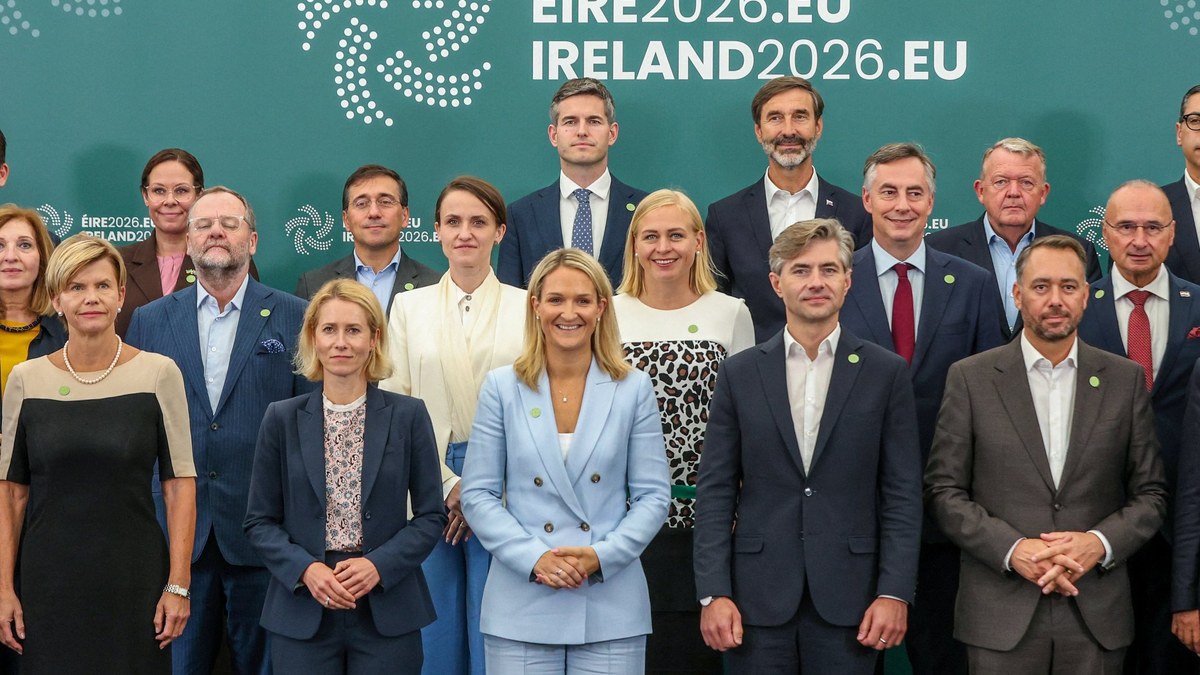
The 30-Second Skim
- What happened: EU foreign ministers gathered in Ireland for the Gymnich meeting but left without consensus on trade sanctions against Israel over illegal settlements or on financing additional air defense for Ukraine, exposing the bloc's paralysis on major foreign policy crises.
- Key facts & numbers: EU foreign ministers at the Sept 1-2 Gymnich meeting in Wicklow failed to reach consensus on Israel sanctions and Ukraine military support, with Ireland's Helen McEntee declaring 'we have reached an impasse.' Ireland and Spain pushed for EU-wide trade curbs on goods from illegal Israeli settlements in the occupied West Bank, but Germany and Hungary opposed the move despite the EU being Israel's largest trading partner with over $50bn in bilateral trade. Greece and Spain — two of Ukraine's most vocal supporters — blocked using common EU funds to finance additional air defense systems, leaving Kyiv without the missiles and interceptors it had sought.
- What happens next: The irony buried here: Greece and Spain push hardest to sanction Israel but block Ukraine air defense funding. Bettel nails it — 'a dog that barks but doesn't bite.'
- EU foreign ministers at the Sept 1-2 Gymnich meeting in Wicklow failed to reach consensus on Israel sanctions and Ukraine military support, with Ireland's Helen McEntee declaring 'we have reached an impasse.'
- Ireland and Spain pushed for EU-wide trade curbs on goods from illegal Israeli settlements in the occupied West Bank, but Germany and Hungary opposed the move despite the EU being Israel's largest trading partner with over $50bn in bilateral trade.
- Greece and Spain — two of Ukraine's most vocal supporters — blocked using common EU funds to finance additional air defense systems, leaving Kyiv without the missiles and interceptors it had sought.
- Belgium resisted a push from Poland, Sweden, Denmark, and the Netherlands to use frozen Russian sovereign assets to finance Ukraine's military effort, citing unresolved legal and financial concerns.
Why It Matters
The unanimity rule means even broad majorities cannot move the EU to act: Germany and Hungary blocked Israel sanctions while Greece and Spain — both vocal Ukraine supporters — blocked common funding for Kyiv's air defense. The bloc can denounce crises but cannot impose consequences on any of them, from settlements to frozen Russian assets.
Sources Cited
Related Coverage
- No EU agreement yet on 21st Russian sanctions package, says EU foreign policy chief Kaja KallasThe Hindu
- EU Foreign Ministers Sanction Israeli Settler GroupsResponsible Statecraft
- EU Support for Ukraine Stumbles as Hungary Looks to Delay AidNYT World
- EU Sanctions Israeli Settlers, Halts Stronger PressureGoogle News World
Ask SkimNews