Iran’s Hormuz Blockade Doubles Oil Prices
The 30-Second Skim
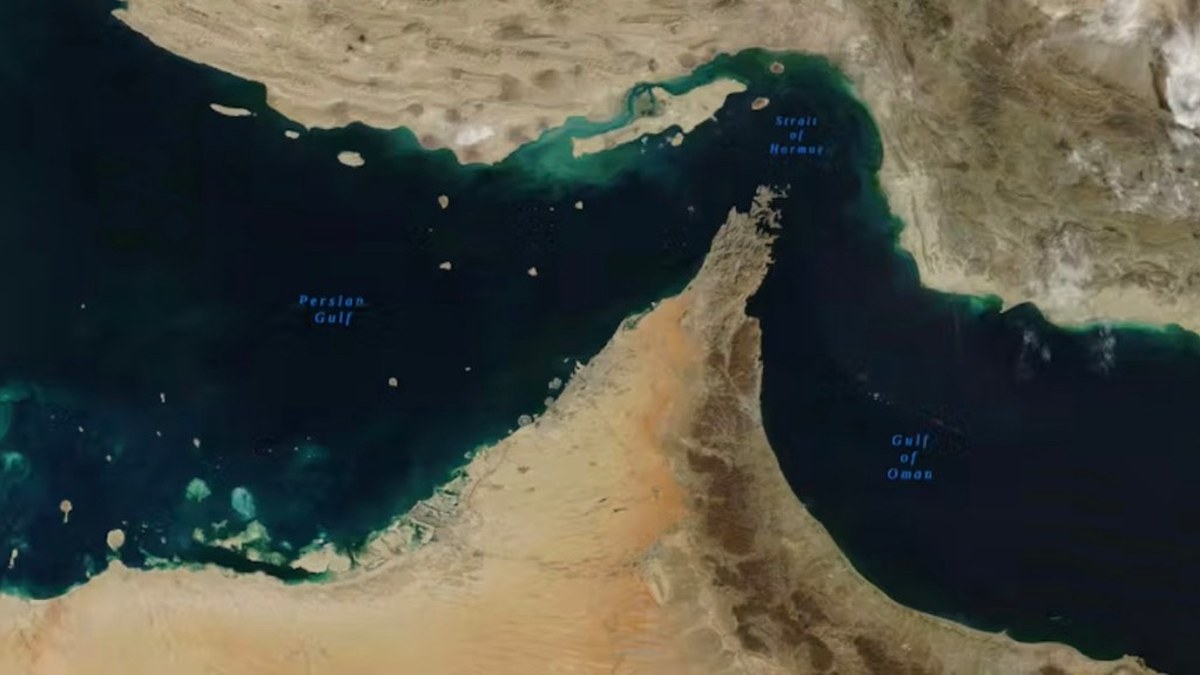
- What happened: Iran’s blockade of the Strait of Hormuz, a chokepoint supplying roughly one‑fifth of global oil and gas, has doubled crude prices and turned geography into a powerful bargaining chip in the US‑Iran conflict.
- Key facts & numbers: Iran blocked the Strait of Hormuz, which carries around 20% of the world’s oil and LNG, doubling the price of a barrel of crude oil. United States faces higher fuel costs for American motorists if the Strait remains blocked, and continuing the conflict would cost billions in military spending. Rubinstein bargaining theory explains Iran’s leverage, noting that a side’s strength depends on how badly off it would be without a resolution and its impatience.
- What happens next: Iran’s Hormuz chokehold is a game‑theory ace, while the US scrambles for leverage before the November elections.
- Iran blocked the Strait of Hormuz, which carries around 20% of the world’s oil and LNG, doubling the price of a barrel of crude oil.
- United States faces higher fuel costs for American motorists if the Strait remains blocked, and continuing the conflict would cost billions in military spending.
- Rubinstein bargaining theory explains Iran’s leverage, noting that a side’s strength depends on how badly off it would be without a resolution and its impatience.
- China could create its own version of the Strait by leveraging its global manufacturing dominance, making other countries dependent on its products.
Why It Matters
Iran gains leverage by threatening a waterway that fuels 20% of world energy, while the United States and its allies confront higher fuel costs and political pressure ahead of the November midterm elections, making the blockade a decisive lever in diplomatic negotiations.
Sources Cited
Related Coverage
Ask SkimNews