How the FlyDubai jet bound for Israel managed to pull out of its sudden plunge
The 30-Second Skim
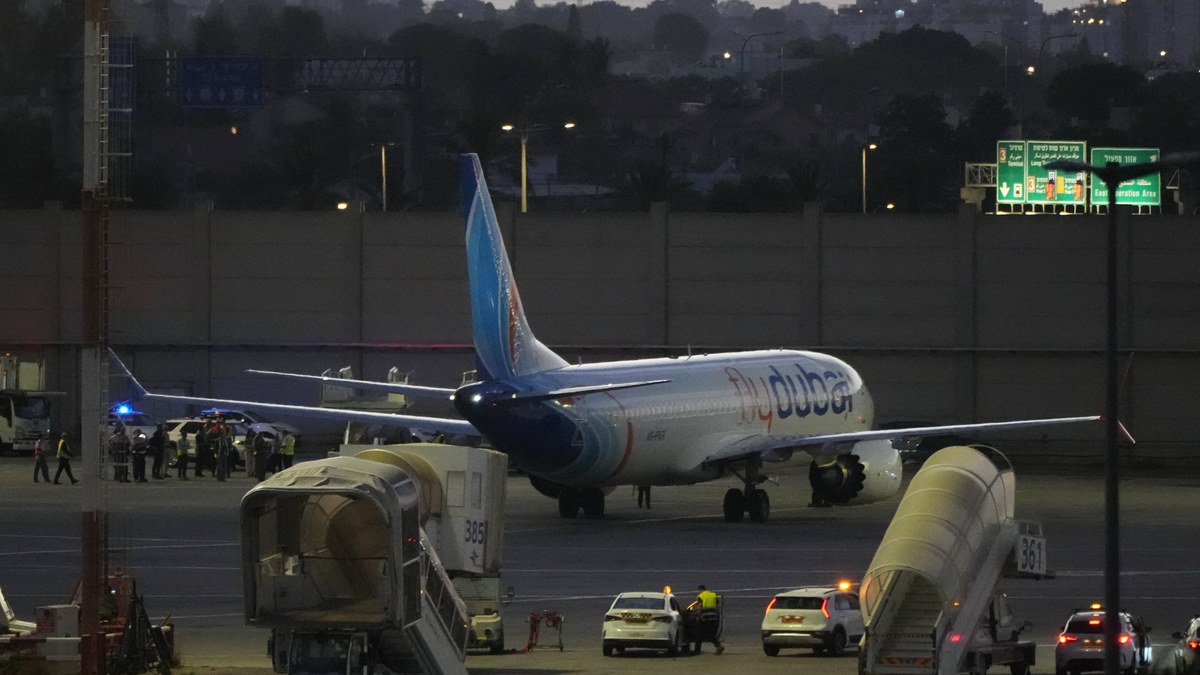
- What happened: Plumber Yaniv Hayoun and another passenger broke into the cockpit of a FlyDubai Boeing 737 Max mid-flight, subdued the alleged attacker, and pulled the jet out of a roughly 5,000-metre plunge in under two minutes, enabling an emergency landing in Saudi Arabia.
- Key facts & numbers: Yaniv Hayoun, a plumber, and another passenger forced into the cockpit of FlyDubai flight FZ1073 from Dubai to Tel Aviv, put him in a chokehold, and dragged him out after finding one pilot bleeding on the floor and the second apparently trying to destroy the console. Hayoun pulled the Boeing 737 Max out of a roughly 5,000-metre plunge in under two minutes by yanking back on the yokes, telling Prime Minister Netanyahu he knew which way to move them from watching the TV show Air Crash Investigation. Captain Smit Machchhar of India, the injured pilot, unlocked the cockpit door so passengers could intervene; the plane made an emergency landing at Saudi Arabia's Tabuk airport at 06:58 GMT on September 30, 2026.
- What happens next: Passengers are heroes, sure — but a knife got on a FlyDubai plane and pilot mental-health screening hasn't changed since 9/11.
- Yaniv Hayoun, a plumber, and another passenger forced into the cockpit of FlyDubai flight FZ1073 from Dubai to Tel Aviv, put him in a chokehold, and dragged him out after finding one pilot bleeding on the floor and the second apparently trying to destroy the console.
- Hayoun pulled the Boeing 737 Max out of a roughly 5,000-metre plunge in under two minutes by yanking back on the yokes, telling Prime Minister Netanyahu he knew which way to move them from watching the TV show Air Crash Investigation.
- Captain Smit Machchhar of India, the injured pilot, unlocked the cockpit door so passengers could intervene; the plane made an emergency landing at Saudi Arabia's Tabuk airport at 06:58 GMT on September 30, 2026.
- The jet exceeded its 566-knot structural dive limit and hit 550 knots on recovery versus a 453-knot max cruising speed, losing its rudder in the process, per aviation engineer Nigel Waterhouse of Vancouver.
Why It Matters
This exposes a post-9/11 security gap: hardened cockpit doors didn't stop a crew-internal attack, and pilot mental-health screening has barely changed since 2001. The FlyDubai Boeing 737 Max lost its rudder under forces beyond structural limits — aviation engineers called its survival a miracle of airframe toughness.
Sources Cited
- Globe and Mail World — How the FlyDubai jet bound for Israel managed to pull out of its sudden plunge
Related Coverage
- 'I was not going to let others die' - pilot of Flydubai flight describes cockpit attack by co-pilotBBC World
- Flydubai Co-Pilot Stabbed Mid-Flight to Tel AvivBBC World
- Indian captain stops alleged sabotage on Flydubai flightIndia Today World
- Indian pilot tells Modi he opened flydubai cockpit doorStraits Times Asia
Ask SkimNews