India, China arm Central Asia as Russia's grip weakens
The 30-Second Skim
- What happened: India confirmed Akash missile exports to Tajikistan and Turkmenistan as China delivered J-10CE fighters to Uzbekistan, marking Central Asian states' accelerating pivot away from Russian arms amid Moscow's collapsing export dominance.
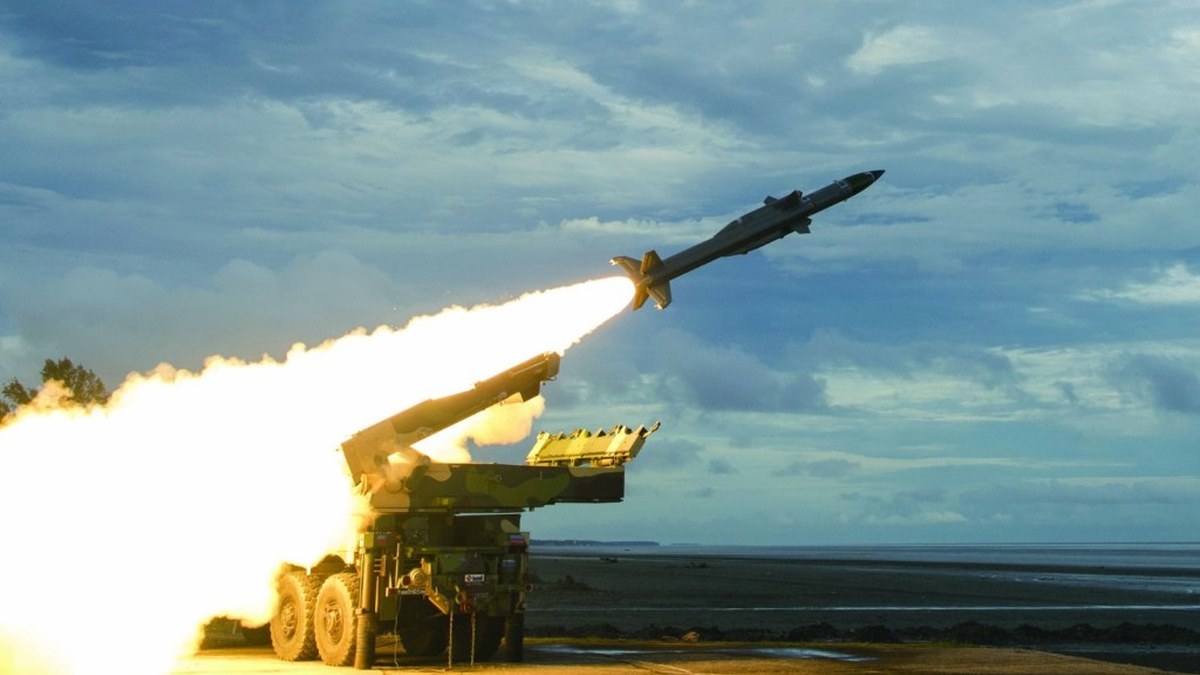
- Key facts & numbers: India's Defense Secretary Rajesh Kumar Singh confirmed Akash surface-to-air missile exports to Tajikistan and Turkmenistan, with the DRDO-engineered system (engaging targets up to 18–20 km altitude) bundled with Rajendra radar and maintenance packages, building on its 2022 inaugural sale to Armenia. China delivered J-10CE combat aircraft to Uzbekistan, making it the second confirmed foreign operator after Pakistan; official footage showed at least six in Tashkent amid reports of a 24-jet order, marking Beijing's breakthrough into a market long dominated by Soviet and Russian manufacturers. Russia's major arms exports collapsed 64% between 2016–20 and 2021–25, shrinking its global share from 21% to 6.8%, per SIPRI's March 2026 dataset — making it the sole top-10 arms exporter to contract, with nearly three-quarters of diminished exports now concentrated in India, China, and Belarus.
- What happens next: The real headline isn't just India's sale — it's that Russia went from 21% to 6.8% of global arms exports in five years and is now watching India and China fight over its backyard.
- India's Defense Secretary Rajesh Kumar Singh confirmed Akash surface-to-air missile exports to Tajikistan and Turkmenistan, with the DRDO-engineered system (engaging targets up to 18–20 km altitude) bundled with Rajendra radar and maintenance packages, building on its 2022 inaugural sale to Armenia.
- China delivered J-10CE combat aircraft to Uzbekistan, making it the second confirmed foreign operator after Pakistan; official footage showed at least six in Tashkent amid reports of a 24-jet order, marking Beijing's breakthrough into a market long dominated by Soviet and Russian manufacturers.
- Russia's major arms exports collapsed 64% between 2016–20 and 2021–25, shrinking its global share from 21% to 6.8%, per SIPRI's March 2026 dataset — making it the sole top-10 arms exporter to contract, with nearly three-quarters of diminished exports now concentrated in India, China, and Belarus.
- India frames its Central Asian missile sales alongside Brahmos transfers to the Philippines and Indonesia as its "Necklace of Diamonds" counter-encirclement strategy against China's Belt and Road Initiative, targeting China's western flank.
Why It Matters
Central Asia is becoming a live arena for India-China strategic competition, with both powers exploiting Russia's 64% collapse in arms exports and 21%–to–6.8% global share slide. Russia still anchors the region through CSTO mutual defense pacts, $44 billion in 2023 bilateral trade, and forward garrisons — meaning arms contracts are where loyalties move, and Moscow's structural economic ties will determine whether its military influence erodes at the same pace.
Sources Cited
Related Coverage
Ask SkimNews