Iran and US Agree Two‑Week Ceasefire, Reopen Hormuz
The 30-Second Skim
- What happened: Iran and the United States reached a two‑week ceasefire and agreed to temporarily reopen the Strait of Hormuz, easing global economic concerns just before President Trump's deadline to destroy Iran.
- Key facts & numbers: Abbas Araghchi confirmed that ships would have safe passage through the Strait of Hormuz for two weeks. United States and Iran agreed to a two‑week ceasefire just before President Donald Trump's April 8 deadline to destroy Iran, averting a potential escalation. Tehran agreed to temporarily reopen the Strait of Hormuz, a key route for global oil, gas and fertilizer shipments, easing concerns for the global economy.
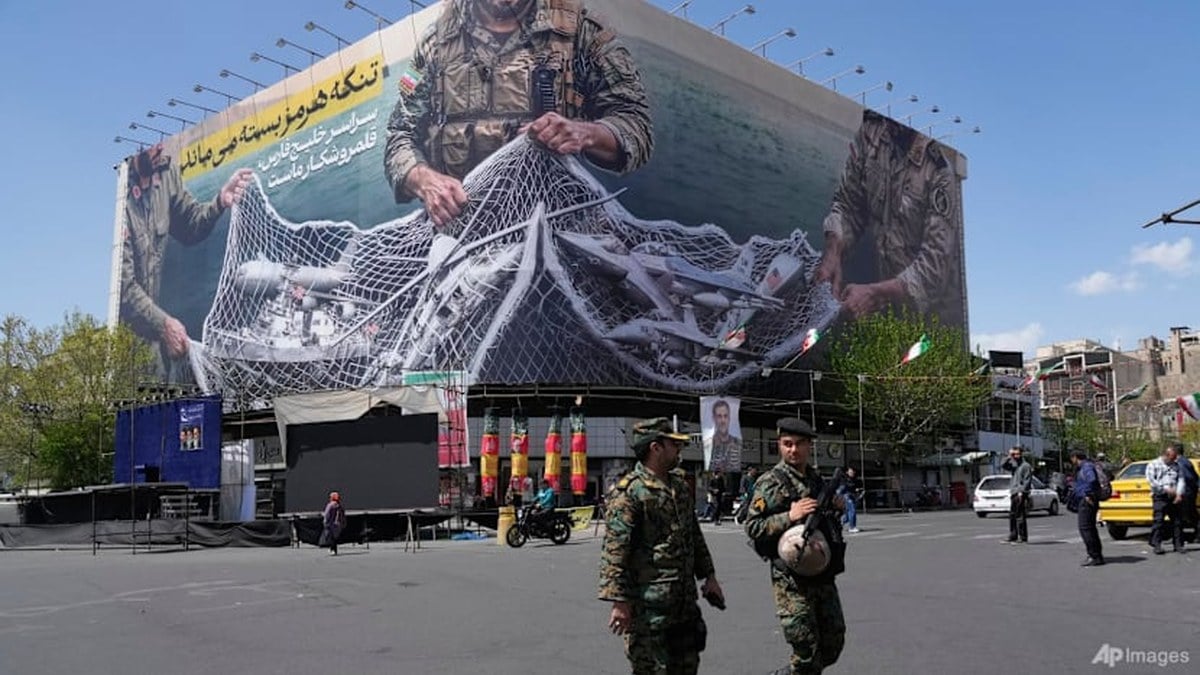
- What happens next: Two‑week ceasefire buys Iran breathing room and keeps oil flowing, but the anti‑U.S. billboard shows Tehran's hard‑line sentiment remains.
- Abbas Araghchi confirmed that ships would have safe passage through the Strait of Hormuz for two weeks.
- United States and Iran agreed to a two‑week ceasefire just before President Donald Trump's April 8 deadline to destroy Iran, averting a potential escalation.
- Tehran agreed to temporarily reopen the Strait of Hormuz, a key route for global oil, gas and fertilizer shipments, easing concerns for the global economy.
- Antonio Guterres called on all parties to pave the way toward a lasting and comprehensive peace following the ceasefire announcement.
Why It Matters
The ceasefire restores passage for oil, gas and fertilizer shipments, benefitting global markets and economies strained by the Hormuz blockage, while Iran avoids immediate military escalation and buys time for diplomatic talks. The United States also averts a costly conflict and the fallout from Trump's deadline.
Sources Cited
Related Coverage
Ask SkimNews