Iran Hits $500M US Radar Plane, Shrinking Thin Fleet
The 30-Second Skim
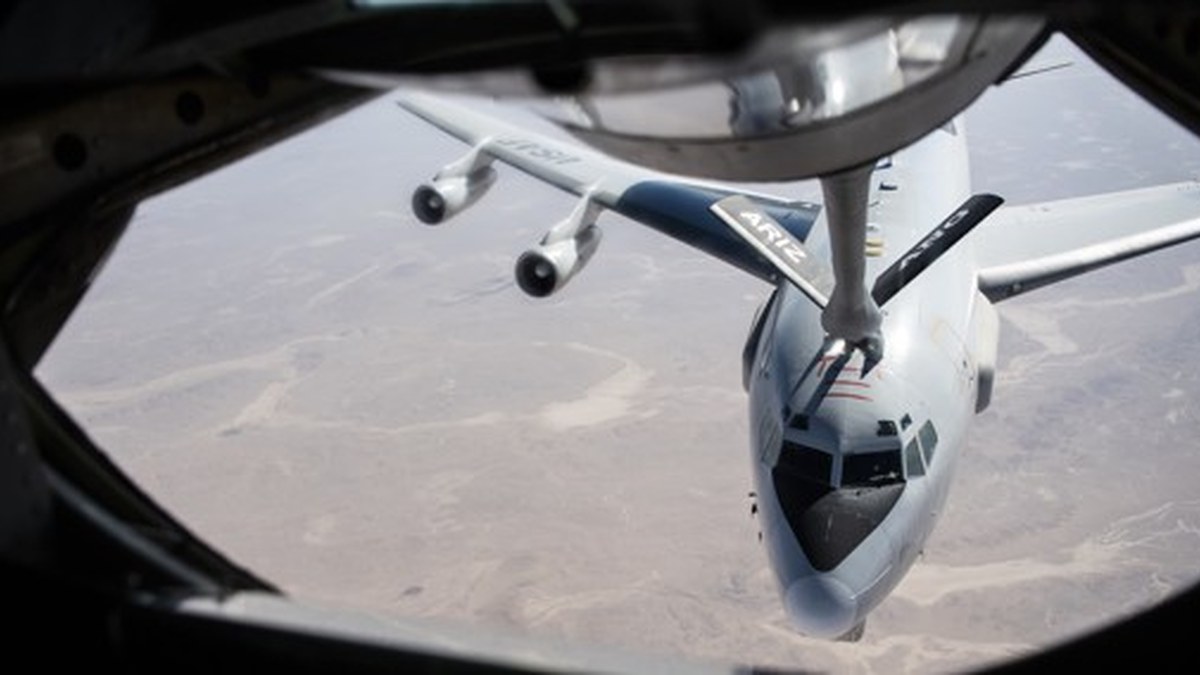
- What happened: An Iranian attack on a Saudi air base damaged a U.S. E-3 Sentry AWACS radar plane — a $500 million-plus asset critical to tracking airborne threats — shrinking an already thin fleet of roughly 11 serviceable aircraft and degrading U.S. battlespace awareness across multiple theaters.
- Key facts & numbers: Iran struck Prince Sultan Air Base in Saudi Arabia on March 27, damaging a U.S. E-3 Sentry AWACS aircraft in what defense experts call a deliberate, targeted hit on a high-value support asset. The E-3 Sentry fleet has shrunk to 15 aircraft total, with only about 11 likely serviceable, according to open-source tracker Steffan Watkins — each plane costing more than $500 million adjusted for inflation. Defense experts said the loss of one E-3 degrades the Air Force's ability to deconflict air operations, transmit threat data to combat aircraft, and maintain battlespace awareness — a mission set Mitchell Institute's Mark Gunzinger called 'absolutely critical to modern air warfare.'
- What happens next: Only ~11 of these planes are even flyable and each is worth half a billion dollars. Iran keeps picking off the irreplaceable ones.
- Iran struck Prince Sultan Air Base in Saudi Arabia on March 27, damaging a U.S. E-3 Sentry AWACS aircraft in what defense experts call a deliberate, targeted hit on a high-value support asset.
- The E-3 Sentry fleet has shrunk to 15 aircraft total, with only about 11 likely serviceable, according to open-source tracker Steffan Watkins — each plane costing more than $500 million adjusted for inflation.
- Defense experts said the loss of one E-3 degrades the Air Force's ability to deconflict air operations, transmit threat data to combat aircraft, and maintain battlespace awareness — a mission set Mitchell Institute's Mark Gunzinger called 'absolutely critical to modern air warfare.'
- The attack also injured 12 service members and damaged two KC-135 refueling aircraft, the New York Times reported; one KC-135 had already crashed earlier this month, killing six airmen and prompting calls to upgrade aging tanker communications.
Why It Matters
With roughly 11 serviceable E-3s remaining, the U.S. Air Force operates from a permanent deficit in airborne battle management — losing even one cascades into degraded homeland missile tracking, Pacific operations, and Middle East missions simultaneously. Iran's apparent strategy of targeting these rare, irreplaceable support aircraft exploits years of under-investment in replacements that won't arrive for years.
Sources Cited
Related Coverage
Ask SkimNews