Iran Defies Trump's Midnight Ultimatum
The 30-Second Skim
- What happened: Iran defied President Trump's ultimatum to accept a ceasefire and reopen the Strait of Hormuz, as regional strikes and threats of infrastructure destruction intensified ahead of a midnight deadline.
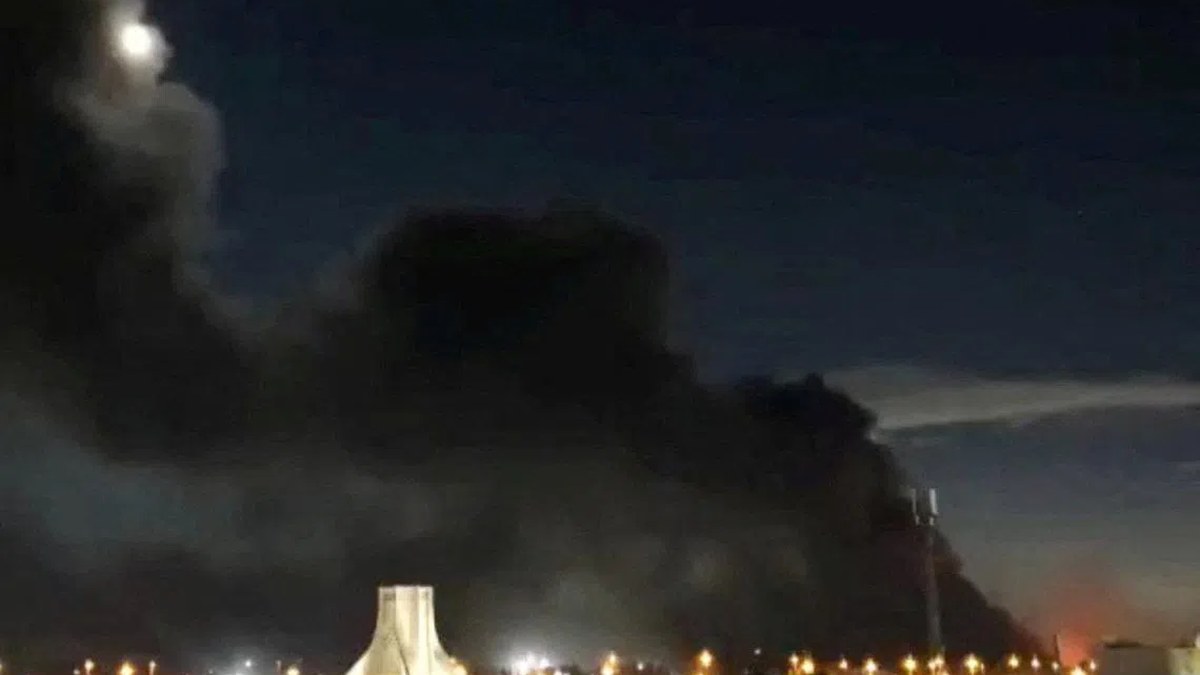
- Key facts & numbers: Iran rejected a U.S.-brokered ceasefire proposal mediated by Pakistan, refusing to reopen the Strait of Hormuz and instead presenting a 10-point counterproposal including sanctions relief and regional conflict resolution. Trump threatened to destroy all Iranian power plants and bridges by midnight EDT on Wednesday if Iran did not comply, stating the country 'can be taken out in one night' and dismissing concerns over potential war crimes. Israel conducted airstrikes on Iranian government infrastructure in Tehran and activated air defenses against incoming missiles, while issuing public warnings to Iranians to avoid railway areas.
- What happens next: While headlines scream 'Trump vs Iran,' the real story is in Rahimi’s call for artists to form human shields—civilian infrastructure is now the frontline.
- Iran rejected a U.S.-brokered ceasefire proposal mediated by Pakistan, refusing to reopen the Strait of Hormuz and instead presenting a 10-point counterproposal including sanctions relief and regional conflict resolution.
- Trump threatened to destroy all Iranian power plants and bridges by midnight EDT on Wednesday if Iran did not comply, stating the country 'can be taken out in one night' and dismissing concerns over potential war crimes.
- Israel conducted airstrikes on Iranian government infrastructure in Tehran and activated air defenses against incoming missiles, while issuing public warnings to Iranians to avoid railway areas.
- Saudi Arabia intercepted ballistic missiles targeting its eastern region, with debris falling near energy facilities, as Bahrain, the UAE, and Saudi Arabia issued safety alerts and briefly closed the King Fahd Causeway.
Why It Matters
Trump’s threat to obliterate Iranian infrastructure by a hard deadline raises the risk of catastrophic escalation, with 13 U.S. service members already dead and one airman recently rescued from Iranian territory. The closure of Hormuz and sustained attacks disrupt global energy flows, pushing oil prices over 50% higher since the war began.
Background & Timeline
- Editor context: Iran's refusal to reopen the Strait of Hormuz converts a geographic chokepoint into a standing bargaining chip, meaning any ceasefire's terms become separable from the energy leverage Tehran actually wields — and youth mobilization signals preparation for a prolonged stalemate rather than a negotiated settlement.
Sources Cited
- Straits Times Asia — Iran defiant on eve of Trump's ceasefire deadline
Related Coverage
Ask SkimNews