Iran Escalates Gulf Attacks Amid U.S. Blockade and Sanctions
The 30-Second Skim
- What happened: Iran has intensified attacks on U.S. military sites and shipping in the Gulf, citing economic warfare from U.S. sanctions and naval blockades, as oil flows through Hormuz drop and global energy markets face strain.
- Key facts & numbers: Iran ramped up attacks in the Gulf, with the IRGC claiming strikes on U.S. radar systems at bases in Bahrain and downing multiple U.S. drones, including an MQ-1 east of the Strait of Hormuz. Bahrain reported an Iranian attack sparked a fire at a civilian industrial facility, while also thwarting other strikes, as the IRGC targeted U.S. military positions at al-Riffa and Awali bases. U.S. Central Command denied Iranian claims that an F-16 was damaged, stating all U.S. fighter jets in the Middle East are safe and accounted for after Iran said its air defenses engaged a U.S. jet.
- What happens next: While headlines focus on drones and missiles, the real story is in the numbers: 25 tankers hit, 20% fewer ships through Hormuz, and a 25% projected Iranian economic contraction—this is economic warfare with kinetic consequences.
- Iran ramped up attacks in the Gulf, with the IRGC claiming strikes on U.S. radar systems at bases in Bahrain and downing multiple U.S. drones, including an MQ-1 east of the Strait of Hormuz.
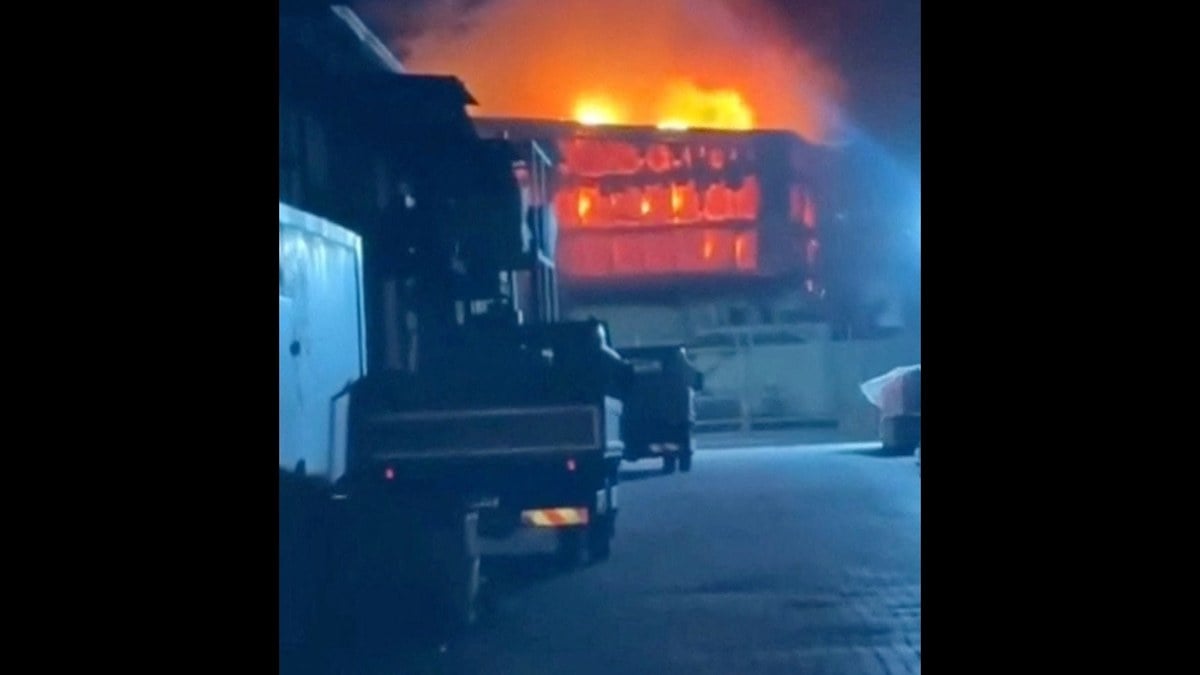
- Bahrain reported an Iranian attack sparked a fire at a civilian industrial facility, while also thwarting other strikes, as the IRGC targeted U.S. military positions at al-Riffa and Awali bases.
- U.S. Central Command denied Iranian claims that an F-16 was damaged, stating all U.S. fighter jets in the Middle East are safe and accounted for after Iran said its air defenses engaged a U.S. jet.
- UK Maritime Trade Operations recorded a 15% weekly drop in ship traffic through the Strait of Hormuz, with oil tanker transits falling from 52 to 37, amid 25 attacks on vessels since November 14.
Why It Matters
Iran’s escalation directly ties military action to U.S. economic pressure, risking broader regional conflict as shipping insurance costs surge and oil flows decline. With 2.8 billion barrels of oil already lost to the conflict, continued blockade enforcement raises the stakes for both U.S. allies in the Gulf and global energy markets.
Sources Cited
Related Coverage
Ask SkimNews