Iran Sets Preconditions for US Talks in Islamabad
The 30-Second Skim
- What happened: Iranian and U.S. delegations arrived in Islamabad for high-stakes talks aimed at ending the West Asia conflict, with Iran demanding preconditions be met before negotiations begin.
- Key facts & numbers: Iranian delegation led by Parliament Speaker Mohammad Bagher Ghalibaf and Foreign Minister Abbas Araghchi arrived in Islamabad on April 11, 2026, for talks with the U.S., received by top Pakistani officials including Deputy PM Ishaq Dar and Army Chief Syed Asim Munir U.S. delegation led by Vice President J.D. Vance was en route to Islamabad to participate in the 'Islamabad Talks' as part of a diplomatic push to end the U.S.-Iran conflict Iran set preconditions for negotiations, demanding a ceasefire in Lebanon and the release of its blocked assets before talks begin, as stated by Ghalibaf on X and reported by Tasnim news agency
- What happens next: Iran’s delegation arrived with demands, not concessions—ceasefire in Lebanon and asset release must happen before talks, not as outcomes. The framing misses that Iran sees this as enforcement, not negotiation.
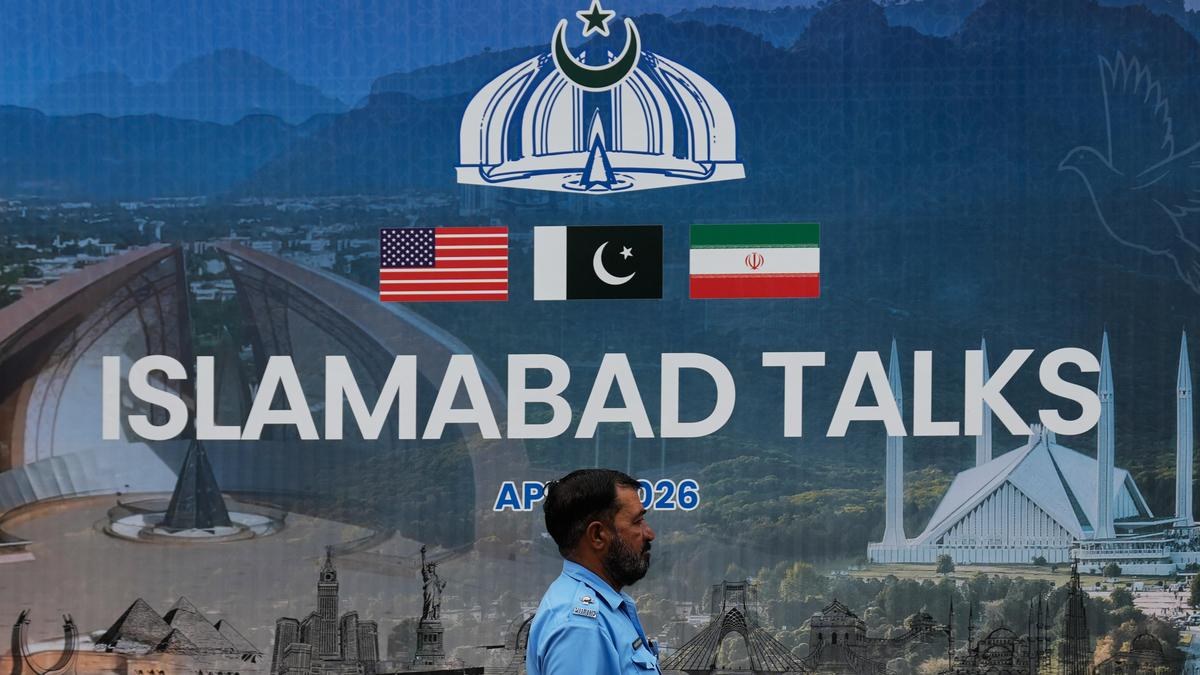
- Iranian delegation led by Parliament Speaker Mohammad Bagher Ghalibaf and Foreign Minister Abbas Araghchi arrived in Islamabad on April 11, 2026, for talks with the U.S., received by top Pakistani officials including Deputy PM Ishaq Dar and Army Chief Syed Asim Munir
- U.S. delegation led by Vice President J.D. Vance was en route to Islamabad to participate in the 'Islamabad Talks' as part of a diplomatic push to end the U.S.-Iran conflict
- Iran set preconditions for negotiations, demanding a ceasefire in Lebanon and the release of its blocked assets before talks begin, as stated by Ghalibaf on X and reported by Tasnim news agency
- Pakistan deployed over 10,000 security personnel and placed Islamabad on 'red alert' to secure the Red Zone ahead of the high-profile negotiations
Why It Matters
The success of these talks hinges on whether the U.S. can meet Iran’s preconditions—ceasefire enforcement in Lebanon and unfreezing assets—within a two-week window, making this a critical test of diplomatic leverage and regional stability with immediate implications for West Asia’s security and global energy markets.
Sources Cited
Related Coverage
Ask SkimNews